
You know, we trust them to save our lives every single day. But what happens when the very thing designed to protect you is what actually causes the harm? That’s the big question we’re digging into today as we break down this guide on seat belt injuries and what you need to know about your rights.
Learn More: Tampa Seatbelt Injury Lawyer
It kind of feels like a trick question, right? Can the one device we all count on to save us in a crash actually be the source of serious lasting harm? Well, to the guide we’re looking at, the answer isn’t just yes, it’s a definite yes. So let’s get right into exactly how that can happen and maybe more importantly, what your rights are if it ever happens to you. The guide calls this the seat belt injury paradox. And when you stop and think about it, it actually makes a weird kind of sense.
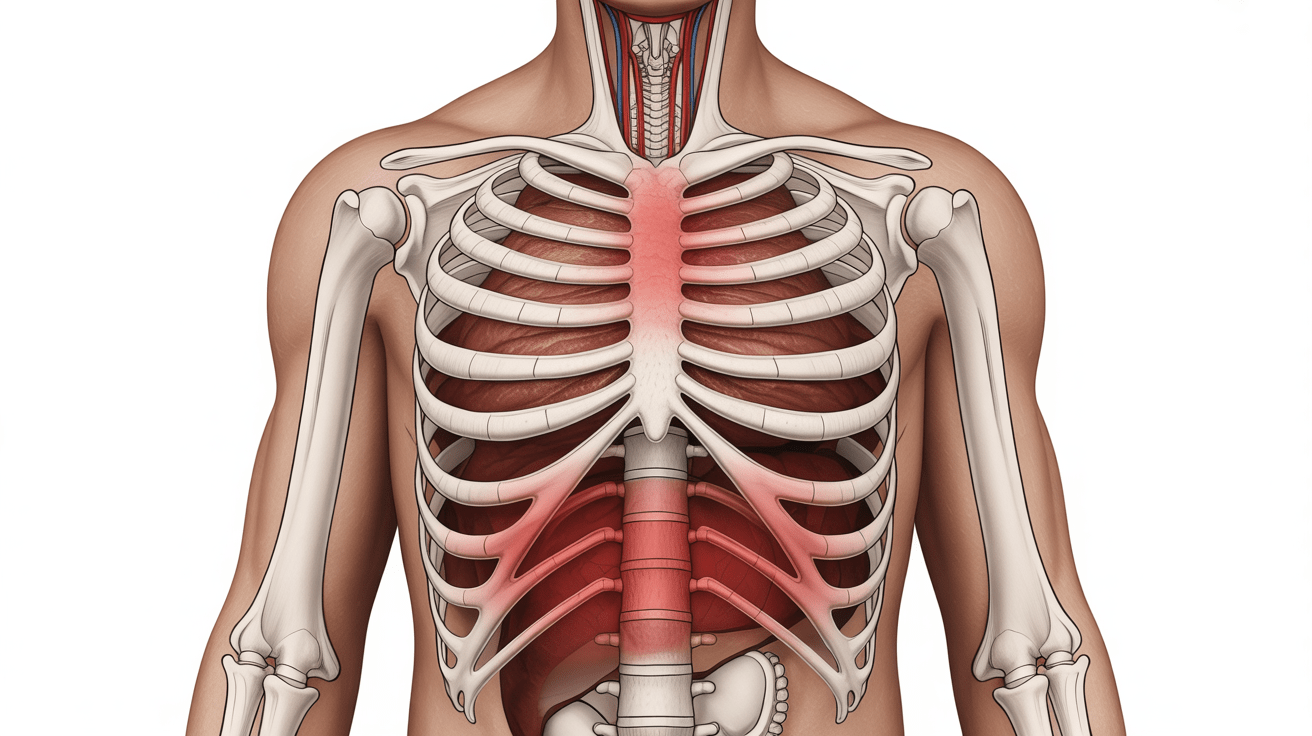
The same incredible focused force a seatbelt uses to stop your body from flying forward? Well, that’s the very same force that can cause fractures, soft tissue damage, or even really serious internal injuries. So how does this actually play out in the real world? The guide points to four key reasons that can turn the safety device into a source of injury.
Let’s walk through them. First up, and this one’s probably the most common, is just wearing it wrong. You know, if that lap belt is riding up high on your stomach instead of sitting low across your hips, it can put a ton of pressure directly on your internal organs during a crash. And we’ve all seen someone do this, tucking that shoulder belt behind their back.
That pretty much gets rid of all the protection for your upper body. Number two is high impact collisions, and this is where that paradox really comes into play. Because even if you are wearing the belt perfectly, the raw force of a high speed crash can just be overwhelming. The energy that gets transferred through the belt can still be enough to fracture your ribs or your collarbone.
The third one is something that’s totally out of your hands, a defective design. We’re talking about serious manufacturing flaws here, Things like faulty buckles that pop open, webbing that just tears under pressure, or anchors that aren’t secured properly. Basically, the equipment itself fails you right at the worst possible moment. And number four is something as simple as a really sudden stop.
Even if you don’t actually hit anything, just think about slamming on the brakes. That seatbelt locks up instantly and that sharp, powerful jolt can put so much localized pressure on your body that it causes deep bruises or yep, even fractures. Okay, so knowing how these injuries can happen is one piece of the puzzle. But what the guide really stresses is what comes next.
You have to understand your legal rights. This is where you find your protection after an injury like this.
So the guide lays out three fundamental protections. First, you have the right to go after compensation. And that’s not just for medical bills, but for the money you lost from not being able to work, plus pain and suffering. Second, you have the right to make sure that crucial evidence from the accident is saved.
And third, you have the right to get legal help without paying a dime upfront using something called a contingency fee. And this is why knowing your rights is so, so important. The guide puts it very directly. Don’t let insurance companies minimize your injuries or pressure you into inadequate settlements.
That’s a pretty clear warning that you’ve got to be ready to stand up for yourself.
And believe me, the stakes are incredibly high. We’re not talking about a few scrapes and bruises here. The long term effects can be really significant from chronic pain that never quite goes away to ongoing medical treatments and even serious psychological trauma. Alright, so that covers the problem and your rights. Now let’s switch gears and talk about the solution.
The source lays out a really clear path forward. What you should actually do after an injury to protect both your health and your potential legal claim. The guide breaks it down into three critical actions. First, and this is non negotiable, get medical help right away.
This creates an official record that directly links your injuries to the accident. Second, document everything. Take pictures of your injuries, keep a journal about your pain levels, all of this becomes evidence. And third, contact a lawyer.
As the guide says, this is all about protecting your rights, and those first conversations are almost always free. Finally, let’s try to pull back the curtain on the legal process itself. According to the guide, just getting a handle on a few key ideas can make the whole thing feel way less intimidating and put you back in the driver’s seat. So when you hear that word compensation, what are we really talking about?
Well, it’s a lot more than just the first hospital bill. It can cover all of your medical expenses from the ER visit to long term physical therapy. It also covers lost wages, both the money you’re losing right now and what you might lose in the future. And it even accounts for the things that don’t have a price tag, like physical pain and emotional distress.
Okay, now here’s a term you absolutely have to know, the statute of limitations. To put it simply, it’s a legal deadline. It’s a law that sets a hard ticking clock on your right to file a lawsuit after something happens.
And that deadline is very real. According to this guide, in Florida, you generally have four years. Four. That’s it. If you miss that window, you could lose your right to seek compensation forever. The big takeaway here is that you just can’t wait.
This really breaks down the partnership perfectly. Look, your role, your number one job is simple. Focus on your health. Focus on healing.
The lawyer’s role, they handle all the heavy lifting. The investigation, gathering evidence, negotiating with the insurance companies, and all the legal paperwork. So how can you afford all that? That brings us back to that term we mentioned earlier, the contingency fee.
It’s a pretty common setup where you don’t pay any fees upfront. The lawyer’s payment is contingent on winning your case. They get a percentage of the compensation you’re awarded. If you don’t win, you don’t owe them a fee for their time.
It’s that simple. So let’s wrap up with this really powerful idea from the guide. In a collision, a seat belt asks a sudden physical and brutal question of your body. The most important thing to think about is who’s going to be there to ask the questions for you afterward.

