
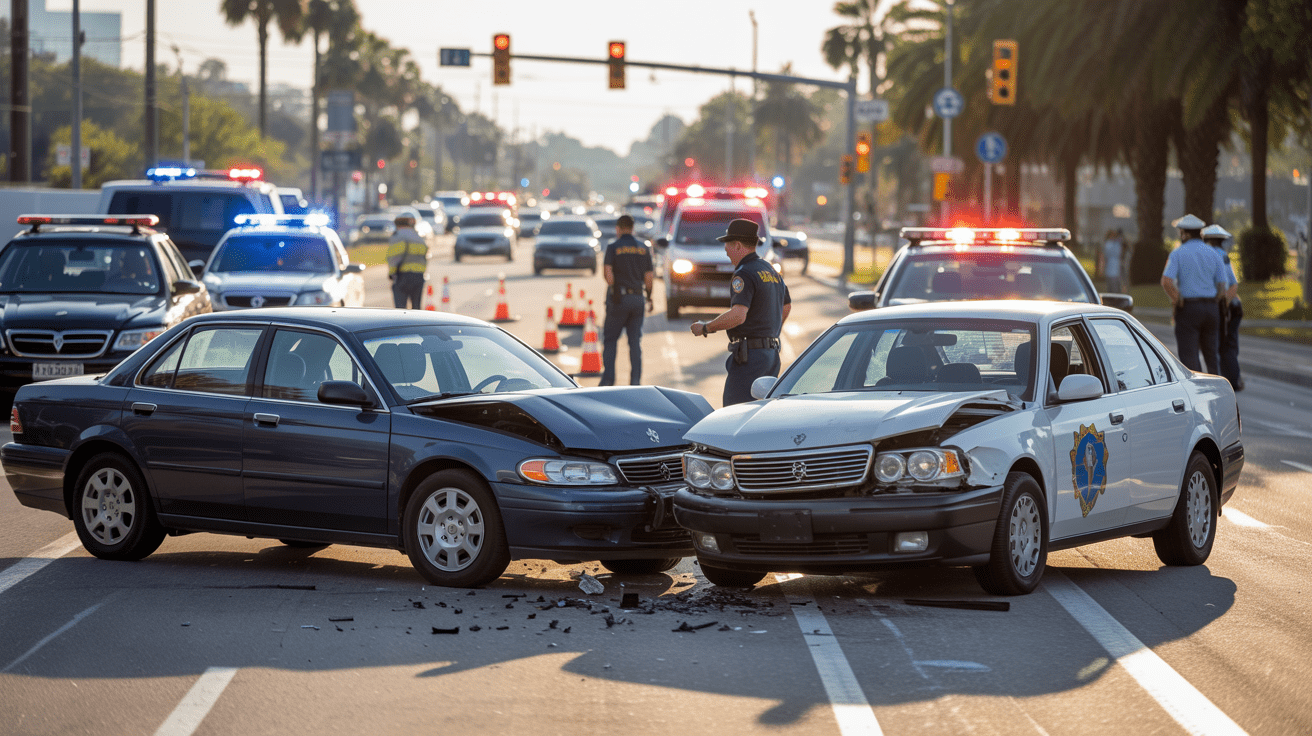
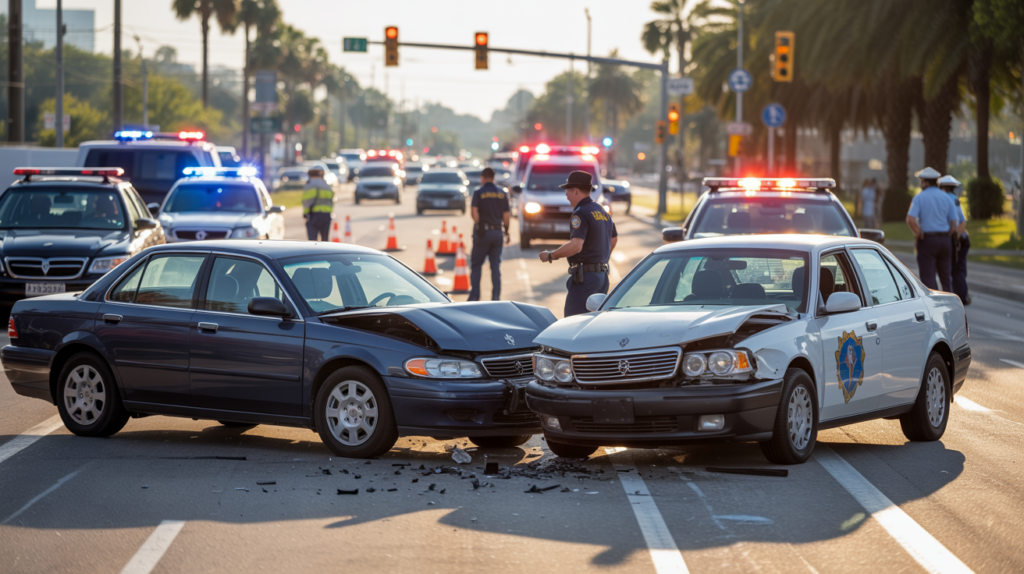
The screech of tires. That awful jolt of impact. After a car crash in an intersection, it’s so easy to feel completely lost in the chaos. We’re here to help cut through all that confusion and give you a clear, step by step guide based on Florida law.
Learn More: Tampa Intersection Accident Injury Lawyer
Are you feeling stressed, confused, maybe just totally overwhelmed? You know, that’s a perfectly normal reaction. The aftermath of a crash is tough for anyone to handle. So, let’s just take a breath and walk through this together one step at a time.
Okay. First things first, let’s talk about a really critical deadline. In Florida, you generally have four years to file a personal injury claim. Now that might sound like a long time, but you really should think of it as a ticking clock.
Evidence can disappear, people’s memories fade, and honestly, the sooner you act, the stronger your case is going to be. So what is it about intersection accidents that makes them so tricky? Well, it often boils down to a classic case of he said, she said, you know? Who had the green light?
Who was actually supposed to yield? With conflicting stories and confusing traffic patterns, it’s easy to see why just getting to the truth can be a real challenge. And this really gets to the heart of it, doesn’t it? You’re trying to recover physically, emotionally.
But at the same time, you’re being pulled into this complicated legal world. It’s an incredible amount to juggle, and that’s exactly why knowing what to do next is so, so important. Alright, so what are those first critical steps? Let’s dive into the actions you can take right after an accident to protect both your health and your legal rights.
There are three absolutely essential things you need to do: one Document the scene Number two: Seek medical attention immediately, and I mean even if you feel fine.
And number three: Talk with a legal professional to understand your options. Trust me, these three steps can make a huge difference in your ability to get the compensation you deserve.
So what does documenting the scene actually mean? Well, means you’ve got to become a temporary investigator. Use your phone, take photos of everything from as many different angles as you can. Get pictures of where the cars ended up, the traffic lights, any skid marks or debris on the road, even the weather.
Time stamping all of this creates a powerful objective record of exactly what happened. Now for step two: getting medical help. This one is completely non negotiable, and here’s why.
Insurance companies will look for any reason to downplay your claim. If you wait a week to see a doctor, they might turn around and argue your injuries aren’t even from the crash. Seeing a doctor right away creates a clear, undeniable link between the accident and how you’re feeling.
Okay, so you’ve documented the scene and you’ve seen a doctor. Now the focus starts to shift to the legal side of things. At the very heart of every single intersection accident claim is one key question: Who was at fault? These right here are pretty much the foremost common reasons these crashes happen.
And you know what? They all boil down to one driver failing to be careful. Let’s take a quick look at each one. Distracted driving is a massive factor, especially in busy areas.
A driver who’s looking at a text message or even just a flashy billboard for just a couple of seconds can completely miss a changing light or another car, and that can lead to some really devastating results. Failure to yield. That’s another big one. This happens all the time when a driver misjudges the speed of oncoming traffic while making a left turn, or maybe they go out of turn at a four way stop.
Or they just don’t check the crosswalk for people. These things often lead to those dangerous t bone collisions. And then of course, there’s running red lights. This is just one of the most reckless things a driver can do.
Someone speeding through an intersection after the light has already turned red, I mean that’s just a blatant disregard for safety, and it can cause some of the most catastrophic injuries imaginable.
Okay, this brings us to a really important Florida rule called comparative negligence. So what does it mean? It’s actually pretty straightforward. Let’s say your total damages are one hundred thousand dollars but a judge decides you were ten percent at fault.
Well, you can still recover ninety thousand dollars So, even if you share a little bit of the blame, it doesn’t mean you get nothing. It’s a key rule to understand.
So, once fault is established, what’s next? Well, let’s talk about what you’re actually fighting for, The compensation you may be entitled to. See compensation isn’t just one single number. It’s made up of a bunch of different parts.
You’ve got your medical bills and your lost wages. Those are pretty easy to calculate. But then you also have things like the damage to your car and the cost of any future care you might need. And then there’s pain and suffering which is compensation for the very real physical and emotional toll the accident has taken on your life.
And this is just so important to remember the impact of a crash goes way beyond that initial incident. Victims often face these long term challenges things like chronic pain, psychological trauma like anxiety or PTSD, and a financial burden that can just keep growing for months or even years. Full and fair compensation has to account for all of this. You know, with all these different moving parts, it’s no surprise that so many people feel overwhelmed.
This is where a legal professional can really step in. Their entire job is to handle all these legal complexities so that you can focus on what is truly most important your recovery. This slide illustrates that division of labor just perfectly. Your job is to focus on healing, going to your appointments, and supporting your family.
The lawyer’s job is to handle the investigation, the evidence gathering, and all that back and forth with the insurance companies to protect your rights. A really common worry is How in the world can I afford a lawyer? Well, most personal injury lawyers work on what’s called a contingency fee basis. And what that means is they only get paid if they successfully recover money for you.
It’s a system designed to make legal help accessible right when you need it most. It’s also super important to have realistic expectations about the timeline. A more straightforward case might settle in a few months, but a case that involves very serious injuries and tricky liability questions? That could easily take a year or even longer to resolve properly.
And here’s some reassuring news for a lot of people: the vast majority of these cases are actually settled through negotiation. The goal is always to reach a fair agreement without having to go through a full trial, which is usually a faster and much less stressful path for everyone involved.
We’ve covered a whole lot of ground, from what to do at the scene to how the legal process works. Our whole goal was to give you clarity and confidence during what we know is a really difficult time. So as we wrap up, the real question isn’t just if you’re prepared, but how you’re going to use this knowledge to take control and protect your rights.

