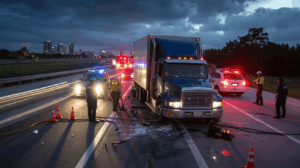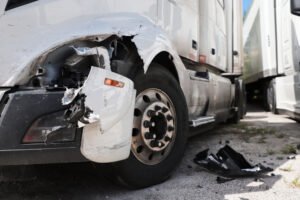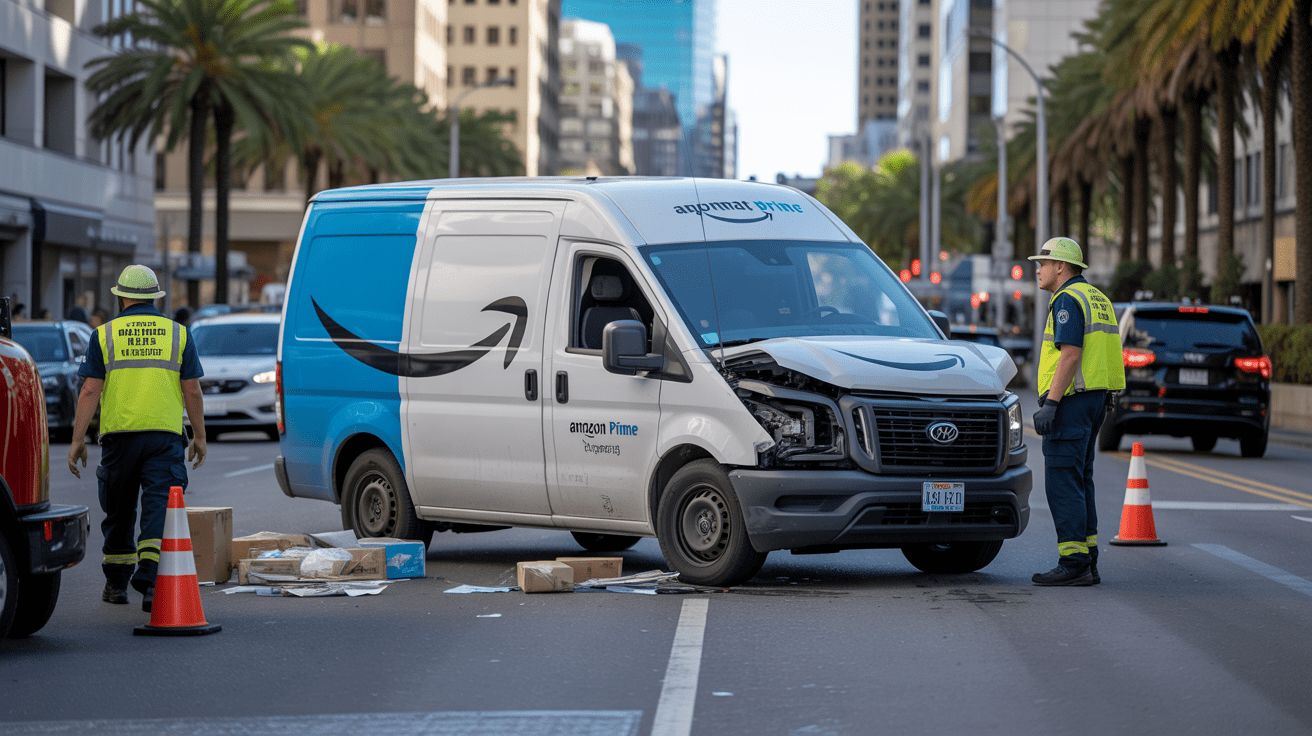
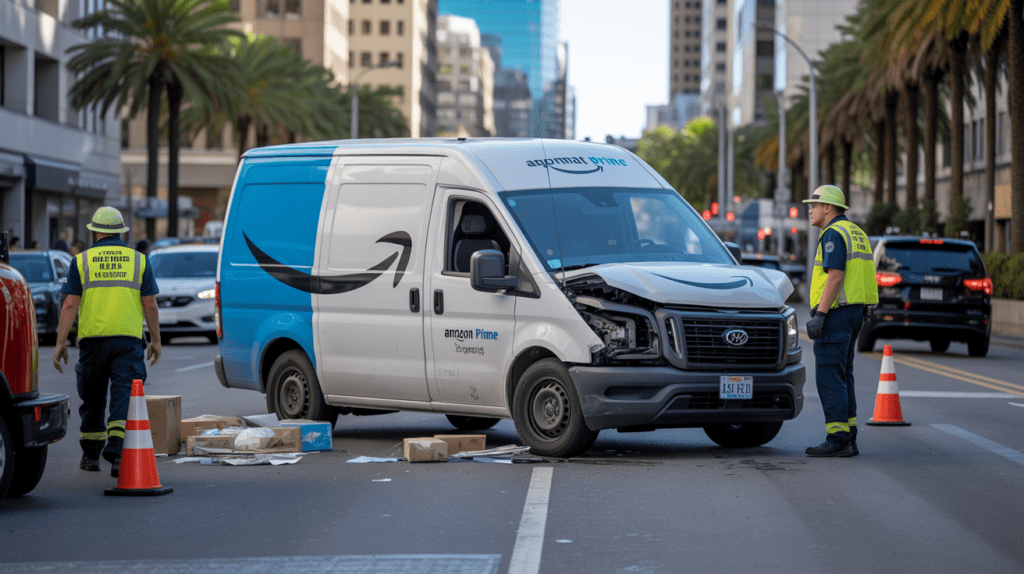
You see them everywhere. Right? Every single day. Those blue and white Amazon vans. They’re just part of the landscape now.
Learn more: Tampa Amazon Delivery Van Accident Lawyer
A symbol of getting what you want fast. But behind that friendly smile logo, there’s a question. A really complex question that can pop up in the blink of an eye. I mean, seems like a no brainer, doesn’t it?
A company van hits you, the company pays. Simple. Well, not so fast. When we’re talking about Amazon, the answer is, believe it or not, incredibly complicated.
We’re about to go down a rabbit hole into a corporate maze that’s been built very, very carefully. Okay. So let’s imagine this happens. There’s a crash with an Amazon van.
Now your first thought is probably, okay. What about the driver? But figuring out who actually has to pay is way, way more complex than your average fender bender. Yeah.
Here’s the thing you gotta wrap your head around. Liability isn’t a straight line from a to b. It’s more like a tangled web. You’ve got the driver.
Sure. But then there might be a delivery company you’ve never even heard of. And then maybe, just maybe Amazon itself. Just figuring out who all the players are is a huge challenge right from the start.
Alright. Let’s get into it. And the best place to start is right there, behind the wheel. So what’s actually causing these crashes?
Because a lot of the time, it comes down to the immense pressure these drivers are under. And look at this list. What’s so wild is how these things are all connected, like a chain reaction. You’ve got these insane schedules, right, that leads to driver fatigue and speeding to meet those quotas.
Then you’re juggling a GPS and scanning packages, so boom, distracted driving. Throw in a van with bad brakes or a tire blowout or just a classic Florida downpour, and you have the perfect storm.
It’s a whole system of pressure that can make even the most careful driver mess up. So this leads to the million dollar question. Right? If the driver messes up, if they’re negligent, isn’t their employer automatically responsible?
You’d think so. You’d think whoever hired them would be on the hook. But here’s the twist. The real question you have to ask is who is the employer?
And that question drops us right into the middle of the liability maze. Because the answer to who’s the boss, well, that’s where this whole thing gets really, really tricky.
And it’s not by accident. So here’s the basic breakdown. On one hand, you have a direct employee. This is pretty rare, but if the driver works for Amazon directly, then yeah, liability is pretty clear cut.
But almost all the time, it’s the second option, a third party contractor. This person works for a totally different company, one you’ve probably never heard of. And this is where the maze really begins. And this brings us to the key piece of the puzzle.
It’s a term called a delivery service partner or just DSP. So what is that? Basically, Amazon has created this huge network of smaller independent companies. The DSP is the company that actually owns the vans, hires the drivers, and handles all the daily stuff.
But, and this is the important part, Amazon is their main, and a lot of times their only customer. So you see, this whole DSP model, it isn’t just about making deliveries more efficient. It’s actually a really clever legal strategy. Let’s dig into how this whole setup works like a corporate shield, putting distance between Amazon and any accidents that happen on our streets.
Okay. So step one is pretty simple. Create distance. By using all these smaller DSP companies, Amazon builds a legal wall between itself and the drivers.
Think about it. The person delivering your package isn’t getting paid by Amazon. Their paycheck comes from Bob’s Delivery Service or whatever the DSP is called. And step two is the logical result of that distance.
It creates a shield. So when a crash happens, Amazon can step back and say, hey, that wasn’t our employee, wasn’t even our van, talk to the DSP. They can just point the finger at that smaller company.
Which leads us to step three, the maze for the victim. All of a sudden, if you’re the one who got hit, you’re not trying to get compensation from a global giant? Nope. You’re up against a small local company that might not have deep pockets or a huge insurance policy to cover your medical bills.
And that makes everything a whole lot harder. And this quote really just hits the nail on the head. This whole complicated setup isn’t some accident of business. According to legal experts, it’s a very intentional strategy.
It’s designed from the ground up to protect the mothership, Amazon, from being held directly responsible when things go wrong on the road. So why does all this matter? Why is it so important to understand this maze? Well, because for the people who actually get hurt in these crashes, the stakes couldn’t be higher.
We’re not just talking about a dented bumper here. We’re talking about people’s lives getting completely flipped upside down. So what are they actually fighting for? Well, you’ve got the stuff you can count.
The mountain of medical bills, the wages you lose because you can’t work. But then there’s the other stuff, the really, heavy, human cost. The pain and suffering, the emotional trauma, and the terrifying possibility that your injuries might stop you from ever working the same way again. Because of how complicated this all is, what you do in the moments right after an accident is absolutely crucial.
Obviously get medical help first, but then document everything. Take photos, get names and numbers from witnesses, and make sure you get the ID number on the van itself. A police report is a must have. And here’s a pro tip: contact legal help fast, because electronic data like GPS logs, that stuff can vanish.
And you need to know there is a ticking clock. In Florida, for instance, you typically have four years to file a lawsuit. Now, four years might sound like a ton of time, but trust me, it’s not. Evidence disappears.
People’s memories fade. The faster you act, the better your chances are.
Which leaves us with this one big question to think about. We all love getting our stuff delivered in a day, sometimes even in a few hours. It’s amazing. But the system that makes that convenience possible, well, it’s designed to push the risk away from the massive company at the top. It pushes it down onto the smaller DSPs, onto the drivers, and in the end, onto all of us sharing the road with them. So it really makes you think, what is the real cost of all that convenience, and who is the one that’s truly paying the price?