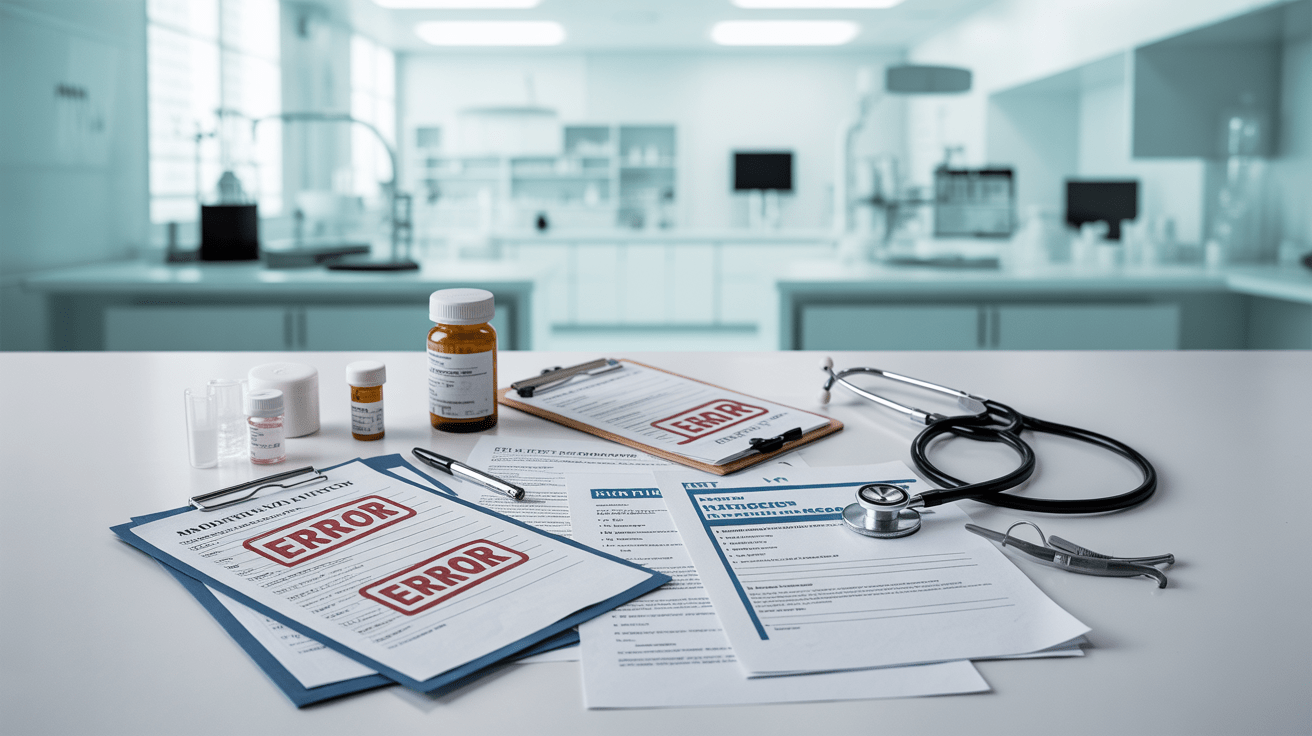
Let’s talk about something that’s absolutely central to modern medicine: the lab test. You know, so many critical health decisions, we’re talking diagnoses, treatments, the whole shebang, they all hinge on a tiny little vial of blood or a small tissue sample. But what happens when that process goes wrong? What are your rights when a lab error causes real actual harm?
Learn More: Florida Lab Error Malpractice Injury Lawyer
That’s exactly what we’re going to break down today.
So where do we even begin? Well, it’s important to know that not every bad outcome is legally considered malpractice. There’s a very specific line in the sand and we need to figure out exactly where it is.
Okay, this definition is super precise and for a very good reason. Malpractice isn’t just about any mistake. It’s about a specific failure, a situation that deviates from what’s called the accepted standard of care that then directly causes harm. This idea is the foundation for pretty much everything else we’re going to cover.
And here’s a distinction that is absolutely crucial. A lab error is a failure in the process. The data itself gets corrupted. A diagnostic judgment call, on the other hand, is a difference in professional opinion based on data that’s actually accurate.
So one is a system breaking down, the other is a matter of medical interpretation. Huge difference. So how do these process failures even happen?
Well, when you look at the research, it really points to four common culprits that can turn a totally routine test into a life altering event.
First up, something that sounds so simple but is incredibly dangerous. Mislabeling.
A rushed handoff, a glitch in the bar coding system, and suddenly there’s a total sample mix up. The result, it’s a nightmare. One patient gets another person’s diagnosis which can lead to completely wrong and potentially devastating treatments.
Next on the list is contamination. You know, if a sample isn’t collected in a sterile way or if it’s stored at the wrong temperature, the results can be completely thrown off. Even something as basic as a technician not changing their gloves between samples can transfer material and corrupt the data, making an accurate diagnosis impossible. Now, it’s not always human error right at the collection point. Sometimes the machines themselves are the problem. If lab equipment isn’t calibrated perfectly, it can experience what’s called instrument drift. This is a huge deal because it can make a perfectly healthy person appear sick, or maybe even worse, completely mask a serious condition that needs urgent care.
And finally, get this, you can have a perfect sample, a perfectly calibrated machine, and an error can still happen at the very last step, the interpretation. If a technician or clinician misreads the data, maybe they confuse the units or overlook a warning flag, that totally accurate information can suddenly lead to a very dangerous decision. Okay, so we’ve seen how these terrible errors can happen. Now for the important part: what can you actually do about it?
Well, in Florida, victims have clearly defined rights and a real path toward accountability. The law gives you some pretty specific tools. You have the right to seek compensation for all the harm caused, the right to see the records of exactly how your sample was handled, and the right to have medical experts testify about whether that standard of care was actually breached.
You see, the legal system here isn’t just designed to compensate. It’s designed to empower victims with the tools they need to prove what happened and to hold the responsible parties accountable.
Knowing your rights is one thing, but acting on them is something else entirely. If you even suspect you’ve been harmed by a lab error, there are three critical steps you need to take right away. All right, let’s walk through this together. First, and this is the most important, prioritize your health.
Get immediate medical care from someone else. This also creates a new, independent record of your condition. Second, preserve every piece of evidence. Gather every document, every email, every bill, and create a detailed timeline of what happened.
And third, it’s absolutely vital to talk to an attorney right away to figure out the process and protect some really crucial legal deadlines. Taking those first steps is essential, but it’s really just the beginning of the journey.
Building a successful case means clearing some pretty significant legal hurdles. And believe me, timing is everything.
This is the core challenge right here. You have to build a clear chain of causation.
You’ve got to prove that a mistake happened, that there was a deviation from the standard of care, and then prove that that specific mistake directly caused your injury. It’s a two part equation, and you have to prove both parts.
And this is why acting fast is so incredibly important. In Florida, there’s generally a two year statute of limitations for these kinds of cases. And that clock starts ticking from the moment the error was discovered or should have been. If you wait too long, you could lose your right to seek accountability forever.
This is really where a legal counsel comes in. Their job is multifaceted. They manage those tight deadlines, they investigate the lab’s technical procedures, preserve all that crucial evidence, and ultimately, they build the fact driven case you need to prove what went wrong. And all of this brings us to a final, bigger idea.
Pursuing accountability isn’t just about one person’s compensation. When these errors are brought into the light, systems are forced to change. It raises standards, it pushes for better protocols. Which really leaves us with this question: Can one person’s fight for their own justice actually end up making healthcare safer for all of us?