
You need a hypoxic-ischemic encephalopathy (HIE) injury lawyer who moves fast to preserve fetal monitoring strips and records, secure top OB/neonatal/neurology experts, and protect unforgiving deadlines.
At the Law Offices of Anidjar and Levine, we evaluate causation and damages, coordinate medical reviews, and negotiate assertively with hospitals and insurers while preparing for trial.
We build life-care plans to fund therapies, equipment, and long-term supports, and manage liens and benefits to safeguard your recovery.
See our Birth Injury Lawyer resource. The sections below outline your rights, timelines, and next steps.
Key Takeaways
- A seasoned HIE lawyer reviews birth records and timelines to assess negligence, causation, damages, and your options for recovery.
- They secure fetal monitoring strips, cord gases, imaging, and expert opinions to preserve evidence and prove standard-of-care breaches.
- Counsel coordinates obstetrics, neonatology, and neurology experts, builds life-care plans, and quantifies lifelong therapies, equipment, and support costs.
- They manage insurer communications, negotiate assertively, and prepare every case for trial while protecting benefits and resolving liens.
- Deadlines are critical; statutes, tolling, and special notice rules vary by state—consult promptly to avoid losing your claim.
How We Can Help With Your Hypoxic-Ischemic Encephalopathy Injury Claim
From the outset, we step in to steady your claim and drive it forward with precision. We evaluate the facts, map a clear strategy, and protect deadlines that can determine recovery. You’ll receive thorough documentation support, including medical record collection, expert consultations, and organized proof of damages, so your case presents with authority.
We handle insurer communications, resolve insurance disputes, and negotiate assertively to secure full and fair compensation, while preparing from day one for trial if necessary.
We coordinate benefits and liens to preserve your net recovery, and we pursue all responsible parties to maximize available sources. You’ll have a point of contact who updates you regularly, answers questions, and shields your time. We also connect you with support networks, coordinators, and life-care planners, reinforcing stability as your claim advances.
Our disciplined approach reduces uncertainty, preserves leverage, and positions you to focus on service, family, and healing.
Understanding Hypoxic-Ischemic Encephalopathy Injury Case
With your claim stabilized and documented, you need a clear grasp of what a hypoxic-ischemic encephalopathy (HIE) injury case involves. You must establish duty of care, a deviation from accepted standards, causation linking the deviation to the brain injury, and measurable damages.
The record centers on prenatal, intrapartum, and neonatal data, including fetal monitoring strips, cord gases, imaging, and neonatal biomarkers that support timing and severity. Expert testimony translates these materials into proof, while timelines and statutes of limitation govern filing and notice.
You also account for present and future needs. Life-care planning evaluates therapies, mobility equipment, educational supports, and respite resources. Financial experts estimate lost earning capacity and attendant care. Parental counseling records, diaries, and care logs document the family’s burden, guiding claims for non-economic harm. Throughout, you coordinate compassionate communication with clinicians and insurers, preserve evidence, and prepare for negotiation or trial to secure client-centered relief.
Common Causes of Hypoxic-Ischemic Encephalopathy Injuries
You need to understand the common obstetric events that can cut off a baby’s oxygen supply and lead to hypoxic-ischemic encephalopathy. Umbilical cord complications, placental abruption, and uterine rupture can create acute distress, and when providers delay a cesarean delivery, the window to prevent brain injury can close quickly.
Umbilical Cord Complications
Identify umbilical cord complications as a frequent, preventable source of hypoxic-ischemic injury during labor and delivery. You rely on your team to recognize cord compression early and act decisively.
Warning signs—variable decelerations, loss of fetal station, or sudden bradycardia—demand immediate evaluation for cord prolapse, nuchal cord, true knot, or tight loops.
Competent providers confirm the diagnosis, reposition you, relieve pressure on the cord, restore oxygenation, and, when indicated, proceed to an expedited cesarean. They must document surveillance, communicate clearly, and escalate without delay.
When negligence allows prolonged oxygen deprivation, you can pursue accountability. Our role is to analyze monitoring strips, staffing decisions, and timelines, then prove how prompt intervention would have prevented injury, safeguarded your child, and upheld accepted standards in obstetric care today.
Placental Abruption
Recognize placental abruption as a high-risk obstetric emergency that can deprive a fetus of oxygen within minutes and precipitate hypoxic-ischemic encephalopathy. You must act decisively when abrupt vaginal bleeding, abdominal pain, or a rigid uterus emerges, because separation of the placenta impairs perfusion and fetal oxygenation. Prompt diagnosis, continuous fetal monitoring, and timely delivery often determine neurologic outcomes, and failures can constitute preventable harm.
| Risk Factor | Clinical Priority |
|---|---|
| Maternal hypertension | Immediate evaluation, stabilization, and expedited delivery planning |
| Placental previa | Targeted imaging and triage to assess overlap or concurrent bleeding |
You’ll serve families by insisting on clear escalation pathways, rapid access to blood products, and multidisciplinary coordination. Preserve records and clinician communications to show whether care standards were met or delays contributed to HIE harm.
Uterine Rupture
When the uterus tears during labor, uterine rupture converts childbirth into a time‑critical emergency that can strip the fetus of oxygen within minutes and precipitate hypoxic‑ischemic encephalopathy.
You must recognize warning signs promptly: sudden abdominal pain, loss of fetal station, abnormal contractions, and Fetal distress on the monitor.
Maternal hemorrhage often follows, risking shock, organ injury, and reduced uteroplacental flow that deepens fetal hypoxia.
You rely on clinicians to monitor scar integrity after prior cesarean, manage induction agents cautiously, and respond decisively when patterns shift.
Clear communication, rapid diagnostics, and coordinated bedside leadership protect both mother and child.
When teams honor protocols, they limit oxygen debt and neurological risk.
When they don’t, preventable brain injury and lifelong disability can result for the affected child.
Delayed Cesarean Delivery
Against a backdrop of mounting fetal distress, a delayed cesarean can turn minutes into profound, preventable hypoxic-ischemic brain injury.
When tracings show persistent decelerations, absent variability, or bradycardia, you rely on your team to recognize risk and act. Operative timing matters; decision-to-incision should align with established guidelines, and delays demand clear justification.
You expect prompt consultation, operating room readiness, anesthesia availability, and leadership when fetal distress evolves. Failures often stem from misinterpreted strips, inadequate staffing, slow transport, or hesitation to escalate the chain of command.
Each minute of continued hypoxia increases acidemia and neuronal injury, raising the likelihood of HIE. As counsel, you evaluate whether policies were followed and causes were foreseeable. You seek answers and accountability, and promote systems that assure timely intervention.
Legal Rights of Hypoxic-Ischemic Encephalopathy Injury Victims
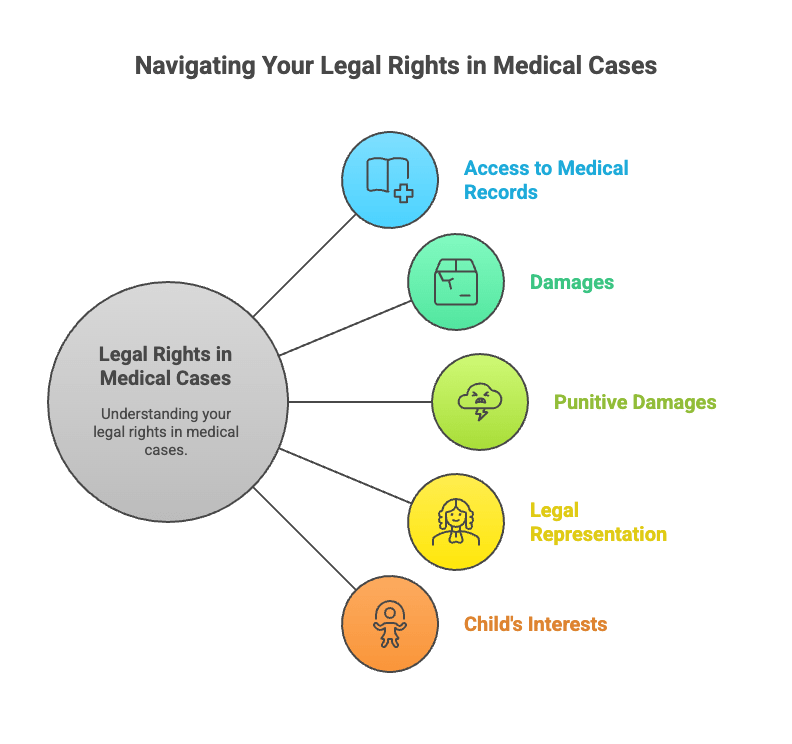
Although every HIE case turns on its facts, you and your child retain clear legal rights rooted in medical negligence and patient-protection laws. You may hold providers accountable when they breach the standard of care, and you may seek full compensation for the harms their lapses cause. Your rights also encompass Victim advocacy and informed choice, privacy and record access, and sound Financial planning to secure long‑term therapies, equipment, and comprehensive supportive services.
- You have the right to obtain complete medical records, fetal monitoring strips, and incident reports.
- You can pursue economic and non-economic damages, including future care costs, lost earnings, and suffering.
- You may seek punitive damages when reckless disregard for patient safety appears in the evidence.
- You retain counsel of your choice, with contingency arrangements, fee transparency, and conflict-free, independent advice.
- Your child’s interests permit structured settlements and special needs trusts, preserving eligibility for public benefits.
Steps to Take After a Hypoxic-Ischemic Encephalopathy Injury
You should seek urgent medical care immediately to stabilize your child and establish a clear clinical baseline.
Next, document all symptoms, timelines, and communications, and preserve records such as prenatal charts, delivery notes, imaging, and discharge summaries.
Then consult a qualified birth injury attorney promptly, so you’ll evaluate potential negligence, protect your rights, and preserve essential evidence and deadlines.
Seek Urgent Medical Care
In the immediate aftermath of suspected hypoxic-ischemic encephalopathy (HIE), seek emergency medical care without delay.
Prioritize emergency recognition of red flags such as abnormal breathing, poor tone, seizures, bluish skin, or unresponsiveness, and call 911 for immediate transport.
Request routing to a facility with a neonatal or pediatric intensive care unit and neurocritical resources.
En route, follow dispatcher instructions, maintain airway positioning, and keep the child warm but not overheated.
Upon arrival, advocate for rapid stabilization, continuous oxygenation and perfusion monitoring, glucose assessment, seizure control, and timely neuroimaging when indicated.
Ask about therapeutic hypothermia, since the treatment window is narrow.
If you’re assisting a mother, alert obstetrics for hemorrhage or infection concerns, and guarantee coordinated transfer to a higher level of care when necessary.
Document Symptoms and Records
After emergency stabilization, meticulous documentation becomes the next priority. Begin a daily log that captures observable changes, feeding patterns, seizure activity, tone variations, and sleep disruptions.
Build symptom timelines that link events to dates, medications, and clinical visits, and note who observed each change. Save discharge summaries, imaging reports, lab results, and therapy notes, keeping originals and digital copies.
Use disciplined record organization: label files by category and date, store contact lists for providers, and maintain a calendar of follow-up appointments and missed milestones. Photograph visible injuries or equipment setups, and preserve correspondence, including emails and portal messages.
Back up everything to encrypted storage, and update entries immediately after each encounter. These practices protect your child’s continuity of care and support clear communication overall.
Consult a Birth Injury Attorney
Start by connecting with a seasoned birth injury attorney who regularly handles hypoxic-ischemic encephalopathy cases.
During an initial consultation, you’ll outline the birth timeline, review records, and identify potential medical negligence. The attorney will assess causation, damages, and statutes of limitations, then explain options, likely defenses, and next steps. You’ll receive guidance on preserving evidence, coordinating with treating providers, and avoiding insurer outreach without counsel.
If the case moves forward, your lawyer will secure expert review, file timely notices, and pursue compensation for medical care, therapies, and long-term supports. Ask about fee structure, costs, and communication protocols, so expectations remain clear. A skilled advocate also coordinates resources, including early intervention and parental counseling, to strengthen your child’s care plan.
Prompt action safeguards your rights.
How a Hypoxic-Ischemic Encephalopathy Injury Lawyer Can Help You
Find your way through the medical and legal maze with an advocate who knows how to build a compelling HIE case from the ground up. An experienced HIE lawyer coordinates medical reviews, preserves evidence, and frames negligence clearly, so you can focus on your child’s care.
You receive strategic guidance that blends birth advocacy with rigorous litigation, ensuring your voice stays central while the facts speak with authority.
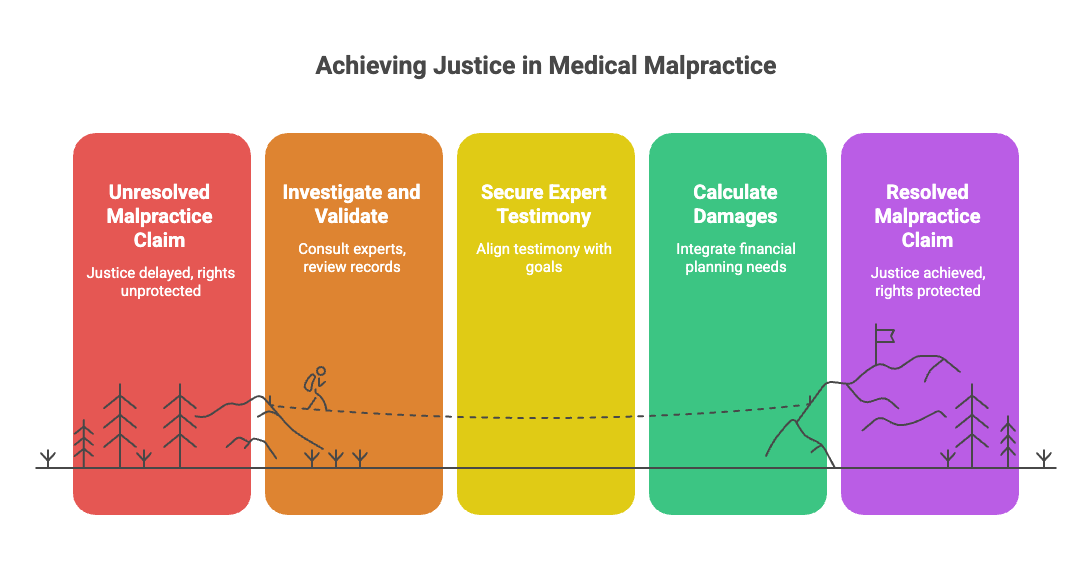
- Investigate records, timelines, and protocols, and consult experts to validate causation and identify standard-of-care breaches.
- Secure and manage experts, depositions, and affidavits, aligning testimony with your goals and values.
- Calculate damages thoroughly, integrating financial planning for therapies, equipment, and family support needs.
- Negotiate assertively with insurers and hospitals, preparing every case as if a trial were imminent.
- Handle filings, deadlines, and procedural hurdles to protect your claims and preserve leverage.
With disciplined management and concise communication, you make choices, conserve energy, and advance accountability.
Long Term Effects of Hypoxic-Ischemic Encephalopathy Injuries
You may face lasting challenges after HIE, including cognitive and learning deficits, motor impairments with spasticity, and seizure disorders such as epilepsy.
These conditions can limit independence, complicate education and employment, and require ongoing therapies, medications, and assistive technologies.
Understanding the scope of these long-term effects helps you plan care and document damages, so you’ll seek the full compensation you need.
Cognitive and Learning Deficits
Although some children with hypoxic-ischemic encephalopathy (HIE) seem to progress normally at first, cognitive and learning deficits often become evident as school demands intensify. You may notice difficulty with attention, processing speed, language comprehension, and problem-solving, which can undermine reading, math, and writing performance.
Challenges with Executive functioning make planning, organization, task initiation, and flexible thinking harder, so homework and multi-step directions feel overwhelming. Memory weaknesses are common, requiring explicit Memory strategies, structured routines, and consistent cues.
As you advocate for services, request thorough neuropsychological testing, detailed IEP goals, and evidence-based interventions. Push for accommodations, including reduced task load, schedules, and assistive technology to support working memory.
Document changes, coordinate with teachers and therapists, and guarantee communication so your child’s progress is truly sustainable.
Motor Impairments and Spasticity
Beyond cognitive hurdles, hypoxic-ischemic encephalopathy frequently imposes lasting motor impairments, with spasticity standing out as a common and disruptive feature.
You may see stiff limbs, scissoring gait, or clenched fists that resist stretching, because damaged pathways overactivate reflexes and distort Muscle tone.
These changes hinder balance, coordination, and endurance, slowing Motor milestones like rolling, sitting, and walking.
Daily care grows intricate, requiring structured therapy, orthotics, safe handling strategies, and, at times, medication or surgical interventions to reduce contractures.
You serve the child best by documenting functional limits, therapy responses, and equipment needs, creating a clear record of impacts on independence and quality of life.
That record strengthens care planning, and it also supports accountability when negligence causes preventable injury.
Consult experienced counsel for guidance.
Seizure Disorders and Epilepsy
Frequently, hypoxic-ischemic encephalopathy leads to seizure disorders that can progress into chronic epilepsy, driven by injured brain networks that become abnormally excitable.
You face unpredictable episodes, potential developmental setbacks, and significant caregiving demands.
Early diagnosis, continuous EEG surveillance, and tailored medication reduce recurrence, yet vigilance remains crucial. You can strengthen seizure prevention by structuring routines, ensuring sleep, and coordinating therapies that address coexisting feeding or respiratory issues.
Document seizure triggers, secure adaptive equipment, and establish school and home response protocols that respect safety and dignity.
| Focus | Action |
|---|---|
| Triggers | Diary |
| Medications | Close follow-up |
| Safety | Home-proofing |
| Response | Training |
| Coordination | School-plan |
As your advocate, we coordinate medical experts, document lifelong needs, and pursue resources that fund monitoring, therapies, and equipment, so you can focus on care and stability.
Proving Liability in Hypoxic-Ischemic Encephalopathy Medical Malpractice Injury Cases
Build liability by anchoring the case to the four elements of medical negligence—duty, breach, causation, and damages—and by marshaling objective evidence that ties each element to the hypoxic-ischemic injury.
Establish duty through hospital policies, provider qualifications, and ACOG guidelines.
Prove breach by comparing the fetal monitoring, triage responses, and delivery decisions to the standard of care. Use Expert testimony from obstetrics, neonatology, and nursing to explain what competent providers would have done.
Conduct a rigorous Causation analysis, linking substandard acts to oxygen deprivation through timelines, cord gases, Apgar trends, and neuroimaging. Demonstrate that alternative causes, such as genetic or infectious factors, don’t account for the injury.
Authenticate records, preserve EFM strips, and secure incident reports before they’re lost. Document damages with neurologic diagnoses and developmental assessments, while keeping the emphasis on how preventable choices led to harm.
Throughout, act promptly, send notices, and protect evidence with litigation holds.
Compensation for Hypoxic-Ischemic Encephalopathy Damages
In the aftermath of a hypoxic-ischemic encephalopathy diagnosis, compensation focuses on funding lifelong care needs and restoring as much independence and stability as the law allows. You pursue damages to secure long term care, adaptive therapies, and education supports, while also addressing lost income and future household services.
A well-documented life-care plan, supported by medical and economic experts, translates needs into projected costs, creating a roadmap for negotiations and trial.
| Category | Examples |
|---|---|
| Medical care | Surgeries, medications |
| Therapies | PT, OT, speech |
| Home/Equipment | Wheelchairs, lifts |
| Education/Services | IEP supports, respite |
| Non-economic | Pain, loss of normal life |
You may also recover for caregiver training, transportation, and housing modifications. Skilled counsel values attendant care hours, coordinates benefits, and resolves insurance disputes and liens to protect your net recovery. When appropriate, structured settlements or special needs trusts preserve benefits, stabilize cash flow, and fund care. Your attorney pursues policy limits and prepares for trial.
The Statute of Limitations for Hypoxic-Ischemic Encephalopathy Injury Cases
Because the statute of limitations can bar a deserving claim before a child’s needs are fully known, you must act quickly to preserve your rights.
Act fast: statutes can foreclose claims before a child’s needs are understood.
In birth-related hypoxic-ischemic encephalopathy, deadlines vary by state and claim type. You must track medical malpractice limits, any statute of repose, and special notice rules for public hospitals. Many jurisdictions extend time for minors, yet that protection isn’t absolute.
Accrual may begin at injury, at reasonable discovery, or when a guardian learns pivotal facts, depending on statute nuances. Discovery tolling can pause the clock if the injury or its cause wasn’t reasonably knowable.
Separate limits may apply to wrongful death, informed consent, or negligent credentialing. Tolling for fraud or concealment might also apply, but it’s narrow and evidence-driven.
Document dates, providers, and records requests, and calculate every deadline conservatively. If a deadline is near, file to preserve claims, then continue investigating responsibly now.
Why You Need an Experienced Hypoxic-Ischemic Encephalopathy Injury Lawyer
While the harm to your child feels unmistakable, proving it in a hypoxic-ischemic encephalopathy case demands seasoned legal skill. You need counsel who understands neonatal medicine, hospital protocols, and how Birth trauma unfolds in real time.
An experienced lawyer identifies deviations from standards of care, secures fetal monitoring data, and works with pediatric neurologists to link oxygen deprivation to injury. They build a precise Legal strategy, preserve evidence, and file within strict deadlines.
Insurers and hospitals defend aggressively, and you shouldn’t carry that burden while caring for your child. A veteran advocate quantifies lifetime needs through life-care planning, calculates future therapies, and pursues full compensation for medical, educational, and attendant care. They negotiate from strength, and, when required, litigate with rigor.
Effective advocacy protects other families by exposing systemic failures, improving safety practices. With focused guidance, you can seek accountability, fund vital care, and safeguard your child’s future.
How to Choose the Right Hypoxic-Ischemic Encephalopathy Injury Lawyer for Your Case
You’ve seen why seasoned advocacy matters; now you need a clear method to identify the attorney who can meet that standard. Start by verifying focused birth injury experience, trial readiness, and results specific to hypoxic-ischemic encephalopathy.
Request Client interviews, and listen for consistent communication, humility, and strategic clarity. Assess medical literacy, expert networks, and investigative rigor, because your case will turn on precision.
Compare Fee structures early, and insist on transparent costs, litigation budgeting, and written expectations. Evaluate responsiveness during your first call, and note whether the lawyer frames goals around your child’s lifelong needs. Confirm resources, calendar capacity, and ethical standing, then decide with disciplined care.
| Criterion | What to Look For |
|---|---|
| Experience-focused | HIE verdicts, peer-reviewed experts |
| Communication | Same-day updates, clear action plans |
| Costs | Written Fee structures, cost controls |
You can choose the advocate who earns your trust, respects your mission of service, and shows disciplined, compassionate resolve, daily.
About the Law Offices of Anidjar and Levine
Meet the Law Offices of Anidjar and Levine. This trial-ready personal injury firm brings disciplined case management, clear communication, and rigorous investigation to detailed birth injury litigation, including hypoxic-ischemic encephalopathy.
You receive direct access to attorneys, responsive communication, and a structured plan that keeps your case moving. The firm coordinates medical expert reviews, preserves evidence, and pursues accountability with relentless preparation.
Rooted in a strong history of service, the team has handled and resolved complex medical negligence claims, developing procedures that prioritize your child’s long-term needs.
Client testimonials consistently highlight professionalism, compassion, and guidance through stressful decisions. You benefit from transparent fee structures, status updates, and proactive settlement and trial strategies.
The lawyers collaborate with neonatology, neurology, and life-care experts to quantify damages and secure resources for therapy, adaptive equipment, and future care. If you value disciplined advocacy aligned with service, you’ll find a trusted partner here.

Frequently Asked Questions
Will a Lawsuit Affect My Child’s Eligibility for Medicaid or SSI Benefits?
A lawsuit can affect eligibility because SSI and Medicaid are means-tested; cash settlements count as income or resources.
To minimize medicaid impact and protect ssi qualifications, you should consider a first‑party special needs trust, structured settlements, or ABLE accounts.
Don’t take funds outright, and report awards promptly to SSA and your state Medicaid agency.
Spend funds on permitted needs, document disbursements, and coordinate timing.
Consult a benefits planner and counsel.
Can We Establish a Special Needs Trust From Any Settlement or Verdict?
Yes. You can establish a special needs settlement trust with proceeds from a settlement or verdict, so you’ll preserve SSI and Medicaid eligibility.
For a minor or disabled adult under 65, consider a first‑party trust or pooled trust, often with court approval.
Fund it via lump sum or structured payments, name a trustee, and include required Medicaid payback.
Create the trust before receiving funds, coordinate liens, and document disbursement standards.
How Are Hospital and Insurer Liens Handled and Negotiated After Recovery?
After recovery, you inventory all hospital and insurer liens, verify statutory bases, and demand itemized charges.
You’ll pursue lien negotiation by challenging unrelated or upcoded services, applying procurement-cost offsets, and asserting made-whole or common-fund doctrines when applicable.
You’ll prioritize compliant reimbursement strategies for Medicare, Medicaid, and ERISA plans, seeking statutory reductions and hardship waivers.
You’ll escrow disputed sums, allocate settlement categories, obtain releases, disburse funds pro rata, preserving benefit eligibility.
Is It Possible to File the Case Under Pseudonyms to Protect Privacy?
Yes, it’s possible, but only in limited circumstances.
Courts permit pseudonyms when compelling privacy interests outweigh the public’s access rights, involving minors or sensitive medical facts.
You’d file anonymous filing and privacy motions, seek protective orders, and narrowly tailor any sealing requests.
Please support them with declarations and proposed orders, coordinate with opposing counsel, and follow local rules.
Expect judicial scrutiny and potential appeals, so plan early and document privacy harms.
What if the Negligent Provider’s Practice Closes or Files for Bankruptcy?
Even if the negligent provider’s practice closes or files for provider bankruptcy, you can still pursue compensation.
You typically proceed against malpractice insurance, including tail coverage, and any hospital or corporate employer through vicarious liability.
A practice closure may complicate records, so request and preserve them promptly.
If bankruptcy is filed, an automatic stay may apply, but you can file proof of claim and seek relief to access insurance proceeds.
—-
You merit clear answers, decisive action, and strong advocacy for your hypoxic-ischemic encephalopathy claim. With experienced counsel, you can investigate fault, preserve evidence, and pursue the full compensation the law allows.
Don’t wait—strict deadlines apply. Our team at Anidjar & Levine will evaluate your case, explain your options, and manage every step, from filings to negotiations and trial. Contact us today for a free consultation, and protect your rights now.
Learn more here: Birth Injury Lawyer

