

We handle failure-to-diagnose aneurysm cases with urgency and precision at the Law Offices of Anidjar and Levine.
We secure complete medical records, preserve imaging, consult leading neuroradiology and neurosurgery experts, and build a causation-backed claim.
Our team documents missed red flags, timeline gaps, and guideline deviations, then quantifies damages for medical care, lost income, and long-term needs.
We manage insurer negotiations and litigation while ensuring deadlines and evidence are protected. If a delayed diagnosis caused harm, we’re ready to act now.
If your matter involves obstetric complications or neonatal harm, our Birth Injury Lawyer resource explains how we approach those cases.
Key Takeaways
- Seek immediate medical care, preserve all records and imaging, and document a clear symptom timeline after a suspected aneurysm misdiagnosis.
- Please hire an experienced medical malpractice lawyer as soon as possible to assess liability, preserve evidence, and meet statute of limitations deadlines.
- Your attorney will obtain complete records, send preservation letters, secure radiology reviews, and assemble experts on standard of care and causation.
- Prove negligence by showing that timely imaging or referral should have occurred, and earlier detection likely would have prevented catastrophic harm.
- Damages may include medical costs, lost income, rehabilitation, life care planning, pain and suffering, and loss of consortium, when applicable.

How We Can Help With Your Failure to Diagnose Aneurysm Injury Claim
Although every case is unique, we begin by conducting a rapid, meticulous evaluation of your medical records to determine where the diagnostic process failed and how that failure caused harm. We assemble a focused team, engage qualified medical experts, and identify deviations from accepted standards. Our approach emphasizes patient advocacy, ensuring your voice guides each strategic decision while we safeguard your rights and priorities.
We manage thorough evidence development, including timelines, imaging reviews, and provider communications. Through disciplined care coordination, we align consultants, witnesses, and documentation to present a clear, credible account of what went wrong and why it matters. We calculate damages with precision, taking into account medical needs, lost income, and life-care planning.
We communicate consistently, translate intricate findings into actionable steps, and prepare every claim as if a trial is imminent. From insurer negotiations to courtroom presentation, we advance your case with rigor, integrity, and urgency, pursuing accountability and the resources you need.
Understanding Failure to Diagnose Aneurysm Injury Cases
Building on how we prepare and advance your claim, we also explain what makes failure to diagnose aneurysm cases distinct and how the law evaluates them.
We clarify what distinguishes aneurysm misdiagnosis claims and how courts assess them
These matters turn on timing, decision-making, and whether clinicians met the standard of care. Because aneurysms can rupture suddenly, courts closely examine the presence of symptoms, the availability of testing, and whether reasonable providers would have ordered aneurysm screening or urgent imaging.
We assess whether diagnostic errors delayed recognition, allowing the condition to progress from treatable to catastrophic. Liability often hinges on missed red flags in the history, improper triage, or failures to escalate care. Causation requires showing that earlier detection, within a reasonable window, is more likely than not to have prevented harm.
Damages incorporate medical costs, lost income, and life-care needs, as well as loss of consortium in qualifying cases. We document each element meticulously, drawing on consultants, clinical guidelines, and records that reveal what should have occurred.
Common Causes of Failure to Diagnose Aneurysm Injuries
As we assess why aneurysms go undiagnosed, we often find misinterpreted imaging results and overlooked warning symptoms at the center of the problem.
We also see preventable harm when clinicians delay expert referrals despite red flags, allowing a dangerous condition to progress unchecked.
Finally, inadequate risk assessment—failing to account for factors like family history, hypertension, or smoking—can lead to missed opportunities for timely testing and intervention.
Misinterpreted Imaging Results
Set aside the assumption that scans always speak for themselves—misinterpreted imaging is one of the most common and preventable causes of missed aneurysm diagnoses. When radiology reports understate subtle vessel irregularities or overlook contrast patterns, patients lose vital time for intervention. Image misinterpretation often stems from rushed reads, incomplete clinical context, or insufficient subspecialty review, compounding the risk of error.
We evaluate whether CT, CTA, or MRA studies were read in accordance with accepted standards, and whether scan artifacts were identified and correctly accounted for. Motion blur, poor contrast timing, metal streaks, or suboptimal slice thickness can obscure an aneurysm or mimic benign findings. Our role is to investigate these lapses, consult with qualified neuroradiology experts, and determine if a breach of duty occurred that delayed diagnosis and worsened outcomes.
Overlooked Warning Symptoms
Imaging errors often begin with missed clinical clues, and overlooked warning symptoms can be just as damaging as misread scans. When patients present with sudden vision changes, severe neck pain, or a thunderclap headache, we must promptly recognize these red flags.
Subtle signs, like silent headaches that worsen over days, brief fainting, or facial numbness, often precede catastrophic rupture. We also watch for unequal pupils, drooping eyelids, speech difficulty, and new weakness, which may indicate evolving vascular compromise.
Primary and urgent care teams should document timelines, trigger events, and family history, then correlate symptoms with objective exams. We advocate for immediate escalation of care when patterns suggest aneurysmal risk. By treating these warnings as actionable data, we protect patients from avoidable harm and preserve vital recovery opportunities.
Delayed Specialist Referral
Though primary teams often initiate appropriate workups, delays in referring patients to neurology or neurosurgery remain a frequent and preventable cause of missed aneurysm diagnoses.
When minutes matter, a delayed referral can erase the narrow window for targeted imaging, blood pressure control, and timely intervention.
We act quickly to evaluate records, identify when expert access should have been secured, and establish how the delay altered the outcome.
We examine triage notes, call logs, and consultation timestamps to show where communication failed.
Clear escalation protocols should trigger immediate expert review when red flags appear, yet hospitals sometimes defer or route cases inefficiently.
Our team collaborates with medical experts to define the standard of care and quantify harm caused by delayed referral, building a precise, evidence-driven claim.
Inadequate Risk Assessment
Vigilance is most crucial when subtle risk factors indicate the presence of an aneurysm. When clinicians overlook family history, uncontrolled hypertension, connective tissue disorders, or prior smoking, they miss crucial warning signs. Inadequate risk assessment often stems from fragmented histories, rushed exams, and inconsistent risk stratification practices. We evaluate whether providers applied validated tools and documented a clear rationale for imaging or surveillance.
We also scrutinize the use of predictive modeling, which should synthesize demographics, symptoms, and comorbidities to guide timely tests. If a reasonable assessment would have prompted ultrasound, CTA, or referral, the failure to act can constitute negligence. Our role is to reconstruct the decision pathway, compare it to standards, and prove how a proper assessment would have prevented harm, disability, or loss.
Legal Rights of Failure to Diagnose Aneurysm Injury Victims
When a medical provider fails to recognize or timely diagnose an aneurysm, patients and families have specific legal rights to seek accountability and compensation. We assert those rights through patient advocacy, ensuring your voice is respected and your harms are fully recognized. The law permits claims for medical negligence when providers breach the standard of care, causing preventable injury or death. We pursue damages for medical costs, lost earnings, rehabilitation, and non-economic losses, aligning our strategy with your goals and long-term financial recovery needs.
We champion your rights after missed aneurysm diagnoses, pursuing accountability and full, long-term financial recovery.
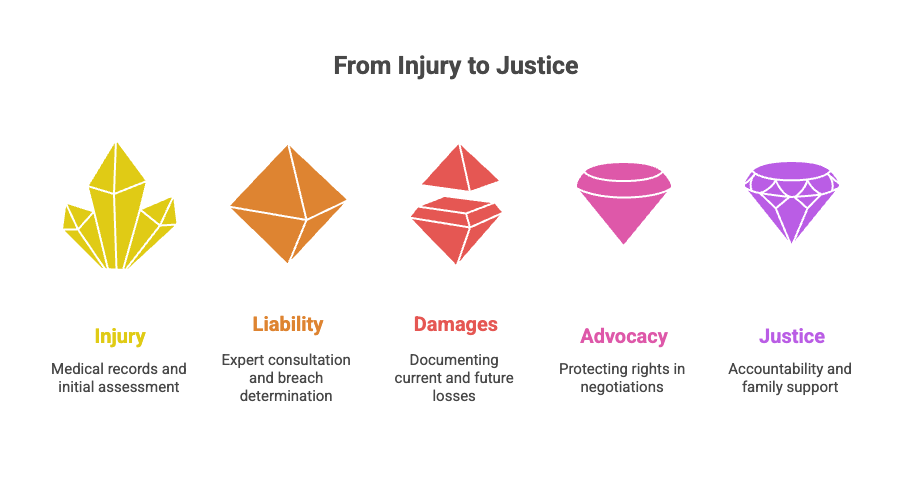
- We analyze medical records, consult qualified experts, and determine whether the standard of care was breached, establishing liability with precision.
- We calculate damages, documenting both current and future losses, to present a thorough valuation of the claim.
- We protect your rights in negotiations and litigation, advancing a clear, evidence-based case for accountability.
- We center families’ needs, coordinating resources and communication, while maintaining rigorous advocacy focused on results and dignity.
Steps to Take After a Failure to Diagnose Aneurysm Injury
After a failure to diagnose an aneurysm, we should first seek immediate medical care to stabilize health and prevent further harm.
We then need to preserve all medical records, including test results, imaging, prescriptions, discharge summaries, and communications, to create a clear timeline of what occurred.
Finally, we should consult an experienced attorney promptly, so we can assess liability, protect our rights, and meet crucial deadlines.
Seek Immediate Medical Care
Although a missed aneurysm diagnosis can feel overwhelming, we must prioritize immediate medical care to protect life and preserve legal rights. If severe headache, neck pain, vision changes, weakness, or confusion appear, call emergency services and request urgent transport to a hospital capable of neuroimaging and neurosurgical consultation. Don’t drive yourself or delay evaluation.
Provide a clear timeline of symptoms, prior visits, and new changes, and ask for CT or MRI imaging when appropriate. After stabilization, confirm discharge instructions, warning signs, and medication plans.
We should schedule prompt specialty appointments and arrange telemedicine follow-ups when travel or recovery limitations restrict in-person care. Coordinated medical oversight protects health, documents condition changes, and supports responsible decision-making. Acting quickly safeguards outcomes and demonstrates diligence in addressing emergent risks.
Preserve Medical Records
Securing complete medical documentation is a decisive step that protects health and strengthens any potential claim.
We should request full copies of hospital charts, imaging, lab results, consultant notes, discharge instructions, and billing records.
Let’s document timelines, symptoms, and communications, then cross-check them against the clinical record for accuracy and gaps.
We obtain written patient consent for every request and maintain confirmations of submission, receipt, and any denials.
To guarantee record retention, we send preservation letters to providers, directing them to maintain originals, including electronic data and audit logs.
We store our copies securely, organize them chronologically, and back them up in multiple formats.
Finally, we log every entry and update, creating a transparent chain of custody that supports accountability and verifiable proof.
Consult an Experienced Attorney
While medical recovery remains the priority, we should promptly consult an experienced aneurysm malpractice attorney to preserve rights and guide next steps. Early counsel helps us coordinate medical advocacy, secure evidence, and meet strict deadlines. An attorney evaluates timelines, potential defendants, and causation, then outlines a clear legal strategy aligned with our care goals.
We should prepare a concise chronology, bring imaging and records, and list witnesses who observed symptoms or miscommunications. A qualified lawyer will assess differential diagnoses, referral decisions, and documentation gaps, then retain experts to validate breach and damages. They’ll communicate with insurers, shield us from premature statements, and calculate losses, including future care.
Prompt engagement strengthens leverage, preserves essential proof, and positions the case for negotiation or litigation with focus and discipline.
How a Failure to Diagnose Aneurysm Injury Lawyer Can Help You
Because a missed aneurysm diagnosis can have devastating consequences, a dedicated injury lawyer steps in to secure the evidence, experts, and leverage you need. We approach your case with disciplined medical advocacy and a focused litigation strategy, coordinating with leading specialists to analyze records, timelines, and decision points.
Our role is to shoulder the legal burden, protect your rights, and position your claim for a timely, just resolution.
- We investigate promptly, obtain complete records, preserve imaging, and interview witnesses, ensuring no critical detail is overlooked or lost.
- We consult credentialed experts who assess breaches of the standard of care, causation, and damages, translating complex medical issues into credible testimony.
- We build a persuasive damages model, documenting medical costs, lost income, and necessary support, then present it with clarity and rigor.
- We negotiate strategically with insurers, and if needed, litigate decisively, filing suit, managing discovery, and preparing for trial to pursue full accountability.
Long-Term Effects of Failure to Diagnose Aneurysm Injuries
When an aneurysm isn’t diagnosed in time, we often see lasting cognitive and memory decline that affects planning, attention, and day-to-day independence.
We also evaluate mobility and motor deficits, including weakness, balance problems, and coordination issues that may require ongoing therapy or assistive devices.
We recognize the profound emotional and behavioral changes that can follow, such as irritability, depression, anxiety, or impaired judgment, all of which influence quality of life and long-term care needs.
Cognitive and Memory Decline
Even after an aneurysm goes undiagnosed and the immediate crisis passes, the long-term impact often emerges in how the brain thinks, remembers, and processes information.
We often see short-term memory lapses, slowed thinking, and difficulty concentrating, which strain daily routines and caregiving roles. Planning, problem-solving, and multitasking may feel inconsistent, and fatigue can worsen symptoms, leading to frustration for everyone involved.
We work to document these changes and connect you with targeted support. Structured memory rehabilitation and cognitive retraining help rebuild attention, encoding, and recall, while compensatory strategies—such as cueing systems, routine scripting, and environmental modifications—preserve independence.
Neuropsychological evaluations clarify specific deficits, guide therapy plans, and establish a clear record of harm. With coordinated care and vigilant follow-up, we protect your rights and promote measurable recovery.
Mobility and Motor Deficits
Frequently, undiagnosed aneurysms leave lasting damage to the pathways that control movement, balance, and coordination, altering how a person walks, grasps objects, and maintains posture.
When motor control is impaired, everyday tasks become slower, and safety risks increase. We thoroughly evaluate mobility, starting with a precise gait assessment to identify asymmetry, foot drop, or compensatory patterns.
Limb weakness often limits endurance and stair negotiation, while spasticity or rigidity can further restrict the range of motion.
We also examine fine motor skills, since handwriting, buttoning, and utensil use commonly degrade after hemorrhagic injury—targeted therapy matters. We coordinate balance training to reduce falls, integrate strength and flexibility programs, and recommend adaptive devices when appropriate.
Emotional and Behavioral Changes
Physical limitations tell only part of the story; undiagnosed aneurysms also disrupt the brain’s networks that regulate mood, impulse control, and social judgment. When these injuries go unnoticed, we often see sudden mood swings, irritability, and reduced frustration tolerance.
Loved ones may notice apathy, anxiety, or depression, which can fuel social withdrawal and strain daily routines. Decision-making may become impulsive, while insight declines, increasing conflict at home and work.
We work with families to document these changes through neuropsychological evaluations, caregiver journals, and employer observations. Clear records help connect behavioral symptoms to delayed diagnosis.
We also coordinate treatment plans, including therapy, medication management, and structured supports, to stabilize functioning. By presenting thorough evidence, we seek compensation for counseling, caregiving time, lost wages, and long-term supervision needs.
Proving Liability in Failure to Diagnose Aneurysm Medical Malpractice Injury Cases
While every case turns on its facts, proving liability in a failure-to-diagnose aneurysm claim centers on establishing that a clinician breached the standard of care and that this breach caused preventable harm.
We begin by documenting the presenting symptoms, available history, and decision points where prudent clinicians would have ordered imaging or expert consultation. The diagnostic burden rests on showing what a reasonably careful provider would have done, and that timely steps would likely have detected the aneurysm.
We assemble authoritative medical guidelines, chart audits, and timelines that link delayed recognition to rupture or worsened outcomes. Expert testimony is vital; qualified consultants explain the applicable standards, interpret differential diagnoses, and tie missed red flags to the injury. We also secure radiology reviews to assess whether scans were improperly deferred or misread.
Finally, we establish causation with objective data, including the progression of symptoms, hemodynamic changes, and surgical records, demonstrating that an earlier diagnosis would have materially altered the trajectory.
Compensation for Failure to Diagnose Aneurysm Damages
Because a delayed aneurysm diagnosis can trigger catastrophic losses, we pursue a full spectrum of damages to make our clients as whole as the law allows. We start with thorough economic losses, calculating past and future medical expenses, rehabilitation, and long-term care. We document home health assistance, adaptive equipment, and transportation, ensuring the plan reflects real needs over time.
We also claim lost earnings and diminished earning capacity, using vocational and economic experts to quantify the impact on your career. When family members shoulder caregiving duties, we account for their lost income and replacement services.
Non-economic damages are equally essential. We seek compensation for pain, emotional distress, loss of enjoyment of life, and loss of consortium. When the evidence supports it, we advance claims for life care planning to coordinate resources and safeguard stability. Throughout, we substantiate every category with records, expert opinions, and testimony, aligning the demand with the full harm you’ve endured.
The Statute of Limitations for Failure to Diagnose Aneurysm Injury Cases
Handling the statute of limitations is vital in failure to diagnose aneurysm cases, as missing a deadline can bar recovery entirely. We act promptly because deadlines vary by state, and medical malpractice timelines are often shorter than general personal injury periods. Time may begin when the negligent act occurred or when the injury was reasonably discovered, a distinction that matters in delayed diagnosis claims.
We evaluate statute nuances early, including whether discovery tolling applies when symptoms were latent or masked by prior conditions. Some jurisdictions pause the clock for minors, incapacitated patients, or fraudulent concealment, while others impose strict statutes of repose that end claims regardless of discovery. Hospital systems and government entities may have shorter notice requirements.
We document the first signs of harm, the dates of consultations and imaging, and any misread studies, aligning them with the controlling statute. By establishing a defensible timeline, we preserve rights and protect the community we serve.
Why You Need an Experienced Failure to Diagnose Aneurysm Injury Lawyer
Even when the facts seem clear, failure to diagnose aneurysm cases demands seasoned counsel who can translate elaborate medicine into compelling proof.
We appreciate that your priority is safeguarding your family and honoring a loved one’s needs, and we align our work with that purpose. An experienced lawyer knows how to parse radiology, neurology, and emergency records, then connect those findings to the governing standards of care.
That discipline is indispensable to prove medical negligence with precision.
We develop a tailored case strategy that anticipates defenses, preserves pivotal evidence, and leverages authoritative experts. Timing matters, as does sequencing discovery to reveal where communication broke down and why warning signs were missed. We also quantify lifetime care, lost income, and non‑economic harm with defensible methodologies. Throughout, we manage insurers and healthcare institutions firmly yet professionally. With focused experience, we convert complicated clinical narratives into clear, persuasive claims that protect your rights and advance accountability.
How to Choose the Right Failure to Diagnose Aneurysm Injury Lawyer for Your Case
Skilled advocacy matters only if you hire the right advocate, so our next step is choosing counsel who can meet the medical and legal demands of an aneurysm misdiagnosis claim.
Skilled advocacy only matters if you hire counsel equipped for aneurysm misdiagnosis demands.
We should prioritize firms with proven results in failure-to-diagnose cases, supported by trial experience and respected medical experts.
We’ll conduct a focused client interview, asking about prior aneurysm matters, investigation protocols, and how the team handles intricate imaging and timelines.
We must evaluate resources, including access to neuroradiology and neurosurgery consultants, as these opinions often drive causation and damages.
We’ll analyze the fee structure with care, confirming contingency percentages, litigation costs, and whether expenses are advanced and recouped.
Clear communication is crucial, so we’ll assess responsiveness, reporting schedules, and who leads strategy.
Finally, we’ll verify professional standing through references, disciplinary records, and independent reviews.
About the Law Offices of Anidjar and Levine
As a client-centered trial firm, we combine rigorous case preparation with hands-on advocacy to pursue justice in complex medical malpractice matters, including failure-to-diagnose aneurysm claims. We built our practice on respect, responsiveness, and results, aligning our work with your needs from the initial consultation through to resolution.
Our firm’s history reflects a sustained commitment to accountability in healthcare, informed by years of trial experience and strategic negotiation. We investigate promptly, retain qualified experts, and present evidence with clarity and precision. This disciplined approach positions your case for a fair settlement or a well-prepared courtroom presentation.
Client testimonials highlight our accessibility, consistent updates, and careful guidance during difficult decisions. We prioritize transparent communication, realistic expectations, and ethical advocacy. When providers miss warning signs or delay testing, we analyze causation, damages, and standards of care with meticulous attention. We welcome the opportunity to assess your case, protect your interests, and pursue the full measure of compensation the law allows.

Frequently Asked Questions
Can I Switch Lawyers if I’M Unhappy With My Current Representation?
Yes, you can switch lawyers if you’re unhappy with your current representation. We can help you change counsel smoothly, ensuring your case file transfers promptly and your deadlines remain protected.
We’ll explain any fee splitting between prior and new counsel, which typically comes from the same contingency fee, not additional client costs. We’ll review your retainer, manage notices, and safeguard your interests, so your shift supports both your goals and service to others.
Will Filing a Claim Affect My Ongoing Medical Treatment or Insurance Coverage?
Filing a claim typically doesn’t interrupt treatment continuity or cancel coverage, but it can trigger insurance disputes or utilization reviews.
We work to preserve uninterrupted care, coordinating with providers and insurers, and documenting medical necessity.
We also advise you on communicating with adjusters, avoiding statements that could delay authorizations.
If an insurer stalls or denies coverage, we pursue appeals promptly, seek alternative funding options, and, when needed, obtain court orders to maintain vital treatment.
How Are Expert Medical Witnesses Selected and Vetted for Aneurysm Cases?
We select expert medical witnesses through rigorous credential screening, with a focus on aneurysm diagnosis and treatment.
We verify board certifications, clinical volume, and publication history, and then conduct independent assessments by reviewers of prior testimony for consistency and integrity.
We conduct peer consultations to verify current standards of care and identify any potential areas of conflict.
We also evaluate communication skills, case-specific fit, and methodology reliability, ensuring testimony aligns with evidence-based practice, withstands Daubert or Frye challenges, and serves your best interests.
What Happens if the Hospital Destroys or Loses My Medical Records?
If the hospital has destroyed or lost your medical records, we will act quickly to reconstruct the chart and preserve your rights. We demand audit trails, facility policies, and chain of custody logs, then seek backups, billing data, orders, and imaging metadata.
We obtain records from outside providers and insurers, use sworn statements, and pursue spoliation remedies when appropriate. We also secure expert reviews to interpret gaps, ensuring the evidentiary record remains reliable and persuasive.
Can I Pursue a Claim if the Misdiagnosis Occurred in Another State?
Yes, you can often pursue a claim, even if the misdiagnosis occurred in another state. We’ll evaluate the proper forum using choice of jurisdiction principles and the state’s conflict of laws rules, which determine the applicable law and deadlines.
We’ll assess where defendants reside, where the care occurred, and where the harm was felt, and then file strategically. We’ll also coordinate with local counsel when needed, preserve evidence promptly, and ensure compliance with notice, affidavit, and statute of limitations requirements.
—————-
We’re committed to protecting your rights after a failure to diagnose an aneurysm. Our team investigates thoroughly, consults leading medical experts, and builds precise, evidence-based claims.
We pursue full compensation for medical costs, lost income, and pain and suffering, while guiding you through each legal step.
Deadlines are crucial, so don’t wait to act.
Contact the Law Offices of Anidjar and Levine for a free consultation, explore your options with our Birth Injury Lawyer resources, and let us advocate for the accountability and financial recovery you deserve.

