




1.0 Introduction: The High Stakes of a Jackknife Collision
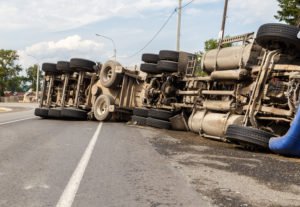
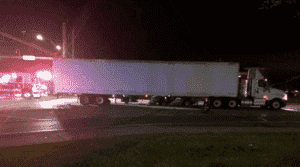
A jackknife truck accident, which occurs when a commercial vehicle’s trailer swings out violently from its cab into an “L” or “V” shape, represents one of the most catastrophic events on Tampa’s roadways. These collisions inflict severe and often life-altering physical, emotional, and financial consequences on victims, leaving them to navigate a chaotic landscape of mounting medical bills, lost income, and aggressive insurance companies working to minimize financial liability.
Learn More: Tampa Jackknife Truck Accident Lawyer
This case study deconstructs the multifaceted nature of a jackknife truck accident claim, framing it as a strategic legal battleground. By analyzing the common causes, devastating injuries, and the complex legal challenges inherent in these cases, this analysis serves as a guide for victims seeking to protect their legal rights and secure the recovery necessary to rebuild their lives. We will explore the chain of events from the genesis of the accident to the final legal resolution, outlining how liability is established, how a compelling case is built, and what compensation is available to those affected.



2.0 The Genesis of Catastrophe: Analyzing the Root Causes and Human Impact
Understanding the multifaceted causes of a jackknife accident is the first critical step in establishing liability. These incidents rarely stem from a single point of failure but rather a combination of mechanical, human, and environmental factors. The resulting injuries are a testament to the immense forces involved in these collisions, often leaving victims with life-altering consequences that demand extensive medical and financial support.
2.1 Deconstructing the Causes of Jackknifing
The primary causes of jackknife accidents involve a complex interplay of driver actions, vehicle condition, and cargo stability. A thorough investigation typically focuses on the following contributing factors:
- Driver Error The most common factor is operator error. This includes braking too aggressively, which can cause the wheels to lock and the trailer to lose alignment, as well as improper acceleration on curves. Speed violations and a driver’s failure to adjust speed for adverse conditions, such as wet roads that reduce traction, significantly increase the risk of a jackknife incident.
- Mechanical Failure Even a responsible driver can be helpless if the vehicle itself is compromised. Mechanical defects are a vital cause of jackknifing, stemming from worn brake systems, defective anti-lock braking systems (ABS), or improperly maintained coupling devices that connect the cab and trailer. These failures can trigger a loss of control without warning.
- Improper Cargo Loading The stability of a commercial truck is heavily dependent on how its cargo is loaded. Unbalanced weight distribution can destabilize the trailer, creating a high center of gravity that makes it susceptible to swinging out during turns, sudden stops, or emergency maneuvers.
2.2 The Devastating Consequences: A Profile of Common Injuries
The sheer force of a jackknife collision produces catastrophic injuries that can permanently alter a victim’s life. These injuries demand extensive medical treatment, multiple surgeries, and ongoing therapeutic care. Common injuries include:
- Severe spinal trauma, which can result in paralysis, chronic pain, and diminished mobility requiring extensive long-term rehabilitation.
- Significant soft tissue damage affecting muscles, ligaments, and tendons, leading to prolonged recovery periods and persistent discomfort.
- Profound emotional distress, manifesting as anxiety, depression, and Post-Traumatic Stress Disorder (PTSD) that impacts daily functioning and personal relationships.
- Nerve damage, which can cause numbness, tingling, weakness, or a permanent loss of sensation in the affected areas of the body.
The catastrophic nature of these injuries establishes the immense stakes involved, making the correct identification of all liable parties not just a legal formality, but a financial necessity for the victim’s survival.
3.0 Establishing Accountability: The Complex Web of Liability and Negligence
While a jackknife accident has direct causes, legal liability can extend beyond the driver to a network of individuals and entities. The first strategic objective in building a claim is mapping this network of culpability to maximize avenues for recovery. Proving negligence is the legal cornerstone of any successful claim, requiring a methodical approach to connect a breach of duty to the victim’s suffering.
3.1 Identifying the Liable Parties
A thorough investigation is required to identify every party that may share responsibility for the accident. Liability is not always limited to the driver behind the wheel.
| Potential Liable Party | Basis for Liability |
| Truck Driver | Held accountable for errors such as speed violations, improper braking, fatigue, impairment, or inadequate training. |
| Trucking Company | Shares liability for negligent hiring, insufficient maintenance protocols, or pressuring drivers to violate safety rules. |
| Vehicle Manufacturer | Can be held responsible if defective parts, such as brakes or coupling devices, contributed to the accident. |
| Cargo Loading Company | May face liability if improper weight distribution or unsecured cargo destabilized the truck, causing a loss of control. |
| Government Entities | Might be accountable if poor road conditions, inadequate signage, or hazardous road surfaces played a role in the incident. |
3.2 The Four Pillars of a Negligence Claim
To secure compensation, a victim must prove that another party’s negligence directly caused their injuries. This legal standard is built upon four essential elements:
- Duty of Care: The defendant owed the victim a legal duty to operate with reasonable care to prevent harm.
- Breach of Duty: The defendant breached that duty through their negligent actions or failure to act.
- Causation: The defendant’s breach was the direct cause of the jackknife accident and the resulting injuries.
- Damages: The victim suffered quantifiable damages, such as medical bills, lost income, and physical pain, as a result of the accident.
With the framework of negligence established, the focus shifts to the tactical imperative of gathering the specific, often technical, evidence required to substantiate each of these four pillars.


4.0 Building the Case: Evidence, Regulations, and Insurance Company Tactics
A successful claim depends on a meticulously constructed case that leaves no room for dispute. This process requires gathering specific and often technical evidence, leveraging federal regulations to establish a breach of duty, and anticipating the adversarial strategies employed by insurance companies financially motivated to limit payouts.
4.1 The Critical Evidence Arsenal
Assembling a comprehensive body of evidence is crucial to proving negligence and validating the extent of a victim’s damages. Key evidence includes:
- Black box data from the truck, which records speed, braking patterns, and other operational details.
- Maintenance records for the truck and trailer to identify mechanical failures or neglected repairs.
- Scene photographs documenting vehicle positions, road conditions, and skid marks.
- Police reports containing official findings from the initial accident investigation.
- Witness statements from anyone who observed the collision or the events leading up to it.
- Driver’s logbooks and training records to uncover hours-of-service violations or inadequate training.
- The trucking company’s safety compliance history.
- Cell phone records that may reveal distracted driving.
- Surveillance footage from nearby businesses that may have captured the incident.
- Medical records and employment documents to substantiate injuries and lost wages.
4.2 The Role of Federal Trucking Regulations
Violations of regulations set by the Federal Motor Carrier Safety Administration (FMCSA) often form the foundation of a negligence claim, as they establish clear standards of care for the trucking industry.
- Hours-of-Service Rules These federal rules limit the amount of time a commercial driver can operate a vehicle to prevent fatigue-related crashes. Violations, often discovered by scrutinizing logbooks, indicate that a fatigued driver was operating beyond safe limits, increasing the risk of losing control.
- Drug Testing Requirements The FMCSA mandates pre-employment, random, and post-accident drug and alcohol screenings. Failed or missed tests can serve as powerful evidence of driver impairment that may have played a direct role in the collision.
- Vehicle Maintenance Standards Federal law requires trucking companies to conduct regular inspections and maintain detailed repair records. A failure to properly maintain a vehicle, especially its brake systems, is a clear breach of duty that frequently contributes to jackknife accidents.
4.3 Countering Insurance Company Strategies
A core component of legal strategy involves anticipating and systematically dismantling the tactics insurance carriers deploy to protect their financial interests. Because jackknife accidents result in high-value claims, these strategies are aggressive and multifaceted:
- Disputing liability and attempting to shift blame to other parties.
- Questioning the medical necessity of treatments to reduce compensation for healthcare costs.
- Undervaluing long-term care needs for victims with permanent disabilities.
- Making initial settlement offers that fall markedly short of the actual value of the claim.
- Implementing settlement delays to increase financial pressure on victims.
- Creating policy disputes by arguing that certain damages fall outside coverage limits.
- Employing their own experts to present alternative narratives that favor their clients.
Successfully neutralizing these adversarial tactics is predicated on building an irrefutable case, which in turn empowers victims to demand a settlement that reflects the full, comprehensive scope of their damages.
5.0 The Path to Recovery: Compensation, Legal Deadlines, and Expert Counsel
Securing a victim’s future after a devastating jackknife accident requires a comprehensive legal strategy focused on three key areas: pursuing all available forms of compensation, adhering to strict legal deadlines, and selecting qualified legal representation with the resources and expertise to handle complex commercial vehicle litigation.
5.1 Quantifying the Damages: Types of Available Compensation
Victims are entitled to pursue compensation for all losses sustained as a result of the accident. A thorough evaluation ensures that both current and future needs are accounted for. Available damages include:
- Medical Expenses: Covers all immediate and future costs, including emergency treatment, surgeries, rehabilitation, medication, and ongoing care.
- Lost Wages: Reimburses for income already lost due to the inability to work, as well as diminished future earning capacity if the injuries are permanent.
- Pain and Suffering: Compensation for the physical pain, emotional distress, and mental anguish endured as a result of the collision and its aftermath.
- Property Damage: Covers the cost of repairing or replacing the victim’s vehicle and any other personal property damaged in the crash.
- Permanent Disability: Provides for long-term needs, loss of enjoyment of life, and necessary home or vehicle modifications for victims with life-altering injuries.
- Punitive Damages: In cases of particularly egregious negligence, these damages may be awarded to punish the defendant and deter similar conduct in the future.
5.2 Florida’s Statute of Limitations: A Critical Deadline
In Florida, victims of a jackknife truck accident must adhere to a strict legal deadline. The statute of limitations for filing a personal injury lawsuit is generally two years from the date of the accident. While a “discovery rule” may extend this deadline if an injury is not immediately apparent, its application is highly fact-specific and relying on it is a significant legal risk. Furthermore, it is critical to note that a separate statute of limitations applies in cases where a victim has tragically died, and families must act within that timeframe to preserve their right to file a wrongful death claim.
Acting promptly is vital because evidence deteriorates, witness memories fade, and trucking companies move quickly to protect their interests. Delaying legal action can severely jeopardize the ability to build a strong case and recover the compensation deserved.
5.3 Selecting a Qualified Attorney: Key Evaluation Criteria
Choosing the right legal representation is one of the most important decisions a victim will make. A general practice attorney may lack the specific knowledge required for these complex cases. Key factors to consider when selecting an attorney include:
- [ ] Extensive experience in commercial vehicle litigation.
- [ ] A proven track record of successful verdicts or settlements in jackknife truck accident cases.
- [ ] Access to expert resources, including accident reconstructionists and medical authorities.
- [ ] Operates on a contingency fee basis, meaning there are no upfront costs and fees are only paid if the case is won.
- [ ] A demonstrated willingness to take a case to trial if a fair settlement cannot be reached.
Taking these steps ensures that a victim’s rights are protected by a dedicated and experienced advocate ready to navigate the complexities of the claim.
6.0 Conclusion: Navigating the Aftermath with Strategic Legal Action
The aftermath of a Tampa jackknife truck accident presents a formidable set of challenges. Victims are confronted with the complexity of the accident’s causes, the severity of their injuries, a confusing web of liability, and the adversarial nature of an insurance claims process designed to minimize their recovery. As this analysis has shown, successfully navigating this landscape requires a strategic, evidence-based approach to hold all negligent parties accountable.
Victims of these catastrophic events require experienced legal representation to conduct a thorough investigation, gather the necessary evidence, and aggressively fight for the maximum compensation they deserve. By understanding their legal rights and the steps needed to protect them, those affected by a jackknife truck accident can focus on their recovery while their advocate handles the complexities of the legal claim. For anyone impacted by such a collision, seeking a free consultation to explore legal options is the first and most critical step toward securing justice and rebuilding their future.


We Can Help.