




1.0 Introduction and Scope of Analysis
While seatbelts are critical safety devices credited with saving countless lives, they can paradoxically cause severe and debilitating injuries in a collision.
Learn More: Tampa Seatbelt Injury Lawyer
This reality creates a complex sub-specialty within personal injury litigation, demanding a nuanced legal strategy that extends beyond standard car accident claims. This document deconstructs the strategic legal framework for managing seatbelt injury claims in Tampa, from establishing the precise cause of injury and proving liability to countering adversarial insurance tactics and securing just compensation. It serves as a comprehensive resource for legal professionals navigating the intricate dynamics of these cases.
Core Strategic Pillars
- Comprehensive Investigation: The necessity of a thorough investigation into the collision dynamics, coupled with meticulous collection of medical evidence and the engagement of expert consultants, is paramount to building a robust case.
- Aggressive Negotiation: A proactive and assertive negotiation stance is imperative to counter the common tactics employed by insurance companies to minimize or dispute legitimate claims and secure maximum compensation for the client.
- Client-Centric Financial Model: The use of a contingency fee basis is a critical component, ensuring that victims have access to high-quality legal representation without bearing upfront financial costs, thereby aligning the firm’s interests with the client’s successful recovery.
- Statutory Diligence: Strict adherence to Florida’s statute of limitations is non-negotiable, as failure to act within the prescribed timeframe results in the forfeiture of the client’s right to pursue legal action.
Understanding the specific mechanics of how these injuries occur is the essential first step in building a compelling and evidence-based case.



2.0 Foundational Case Parameters: Causation and Legal Timeframes
Before a litigation strategy can be fully developed, counsel must first establish two foundational parameters: the technical cause of the injury and the statutory deadlines that govern the claim. These elements dictate the entire timeline, evidentiary focus, and potential avenues of liability for the case. A firm grasp of both the physics of the injury and the procedural clock is essential for effective representation.
2.1 Analysis of Injury Causation Factors
Improper Seatbelt Positioning: The incorrect placement of a seatbelt is a significant cause of preventable harm. Positioning the lap belt across the abdomen instead of low across the hips can lead to severe internal organ damage during a collision. Similarly, placing the shoulder belt behind the back or under the arm eliminates vital upper-body protection, creating a high risk of severe head and chest trauma. From a strategic perspective, this factor requires investigation into occupant behavior and vehicle design, particularly in cases involving children not secured in appropriate booster seats.
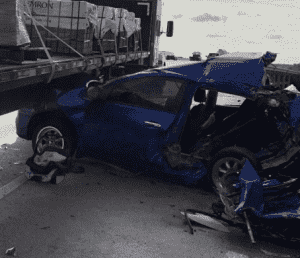
High-Impact Collisions: In high-speed crashes, the extreme forces generated can exceed the protective capacity of even a properly worn restraint system. The immense energy is transferred through the harness into the body, causing fractures, nerve compression, and extensive soft tissue damage. The interaction with deploying airbags can compound these injuries, creating a dual-force scenario on the chest and upper body. Strategically, this necessitates the use of accident reconstruction experts to quantify the forces involved and demonstrate how they directly led to the specific injuries sustained.
Defective Seatbelt Design: When injuries are caused by a failure of the restraint system itself, the strategic focus may shift toward a product liability claim against the manufacturer. Defects can include manufacturing flaws, the use of substandard materials, faulty anchoring mechanisms, inadequate buckle releases, or webbing that tears under stress. Material fatigue from environmental exposure and repeated use can also lead to failure. Proving a defect requires forensic analysis of the seatbelt components to establish that a design or manufacturing flaw was the direct cause of the injury.
Sudden Stops and Deceleration: Abrupt deceleration, common in rear-end collisions and emergency braking situations, causes the seatbelt mechanism to lock with tremendous force. This rapid restraint can inflict significant trauma, including severe chest contusions, fractured ribs, and internal organ damage. The force distribution is a critical element of analysis, especially when compounded by a simultaneous airbag deployment. For litigation, this factor underscores the need to link the specific mechanics of the sudden stop to the resulting pattern of injury.
2.2 The Strategic Importance of Florida’s Statute of Limitations
In Florida, the statute of limitations for filing a personal injury lawsuit for seatbelt injuries is four years from the date of the accident.
This legal deadline is not arbitrary; it exists to ensure the integrity of the legal process. The rationale is to encourage the timely filing of claims so that physical evidence remains available, accident scenes can be accurately analyzed, and the memories of witnesses are still reliable and fresh.
The consequence of failing to file a lawsuit within this four-year window is absolute and severe. The court will bar the claim permanently, and the victim forfeits their right to pursue any compensation for their injuries, regardless of the severity or the clarity of the other party’s fault. This makes prompt legal consultation and action a matter of strategic necessity.
Once these foundational parameters of causation and timing are established, the strategic legal process of building and substantiating the claim can begin.
3.0 The Three-Phase Strategic Framework for Case Development
A successful seatbelt injury claim is built upon a phased, methodical approach that ensures no critical detail is overlooked. This process can be understood as three distinct but interconnected phases: immediate evidence preservation and client counsel, formal liability establishment, and comprehensive damage quantification. This structured framework provides the discipline necessary to construct a compelling and resilient case.
3.1 Phase 1: Post-Incident Evidence Preservation and Client Counsel
The actions taken in the immediate aftermath of an accident are critical from an evidentiary perspective. The first step for any victim is to seek immediate medical attention. This serves a dual purpose of paramount importance. First and foremost, it addresses the client’s health, identifying and treating internal injuries, soft tissue damage, or other musculoskeletal problems that may not be immediately apparent. Second, it creates a formal, documented medical record that establishes a direct causal link between the collision and the injuries, which is the foundational building block of the entire claim.
Beyond medical care, the strategy must include meticulous documentation of the injury’s impact. Clients should be counseled to create photographic evidence of all visible injuries, such as bruising, lacerations, and abrasions across the chest, shoulder, and abdomen. These photos should be taken over time to show the progression of the injuries. Furthermore, maintaining a detailed pain journal is invaluable. This contemporaneous record, which chronicles daily symptoms, mobility limitations, and the injury’s effect on daily life, serves as powerful evidence to demonstrate the full extent of the client’s suffering and substantiate claims for pain and suffering.
3.2 Phase 2: Establishing Liability
The core of this phase is to prove that another party’s negligence was the direct cause of the collision and the subsequent injuries. This requires a systematic and thorough investigation to gather and synthesize all available evidence. The types of evidence typically gathered to build a liability case include:
- Police Reports
- Witness Statements
- Traffic Camera Footage
The analysis of this evidence is often complex and requires specialized expertise. Accident reconstruction experts and forensic analysts play an essential role in interpreting physical evidence like skid marks and vehicle damage patterns. These experts can scientifically recreate the collision sequence, providing an objective analysis of the crash dynamics to prove fault and explain how the defendant’s specific negligent actions—such as speeding or distracted driving—caused the accident.
In a separate but related analysis, counsel must also consider an alternative liability pathway: a Product Liability Claim. This strategy is pursued when evidence suggests the seatbelt itself failed due to a defective mechanism, design flaw, or manufacturing defect. In such cases, the legal focus shifts from the other driver’s negligence to the accountability of the vehicle or component manufacturer for placing a dangerous and defective product on the market.
3.3 Phase 3: Quantifying and Substantiating Damages
Once liability is established, the final phase involves a comprehensive accounting of all damages the victim has incurred and will incur in the future. Under Florida law, compensable damages fall into three primary categories.
Medical Expenses: This category covers the full spectrum of medical costs, including initial emergency treatment, surgical procedures, hospitalization, rehabilitation, and physical therapy. Crucially, it must also include well-supported projections for any ongoing and future care needs, such as pain management or assistive devices.
Lost Wages: Compensation for lost income includes not only the wages lost while the victim is unable to work during their recovery but also their diminished future earning capacity. If the injuries result in permanent limitations that prevent the client from returning to their previous profession or working at the same level, this long-term financial impact must be calculated and claimed.
Pain and Suffering: This category provides compensation for the non-economic impact of the injury. It accounts for the physical discomfort and chronic pain the victim endures, as well as the psychological trauma, which can include post-traumatic stress, anxiety disorders, and emotional distress. This also encompasses the overall reduction in the victim’s quality of life and their ability to enjoy daily activities.
Evidence of long-term effects, such as chronic pain that limits mobility, documented psychological trauma, and the need for ongoing medical treatment, is strategically used to substantiate claims for future damages and to provide a clear, compelling basis for the valuation of pain and suffering.
Even a well-substantiated claim, however, will inevitably face challenges from insurance carriers, requiring a proactive strategy to navigate the adversarial nature of the legal process.


4.0 Adversarial Dynamics: Countering Insurance Company Tactics
A core component of any effective legal strategy is the anticipation of and preparation for tactics employed by insurance companies to devalue or deny claims. Insurers are financially motivated to minimize payouts, and their adjusters often use standard arguments to challenge the validity of seatbelt injury claims. A proactive, evidence-based strategy is essential to counter these tactics and secure fair compensation.
The most common argument insurance adjusters use is that the claimant’s injuries would have been far worse without the seatbelt, implying that the claimant should be grateful for the restraint system rather than seeking compensation for injuries it may have caused. While factually true in many cases, this argument is a diversionary tactic designed to minimize the very real and compensable injuries that were sustained. The legal team’s response must be to systematically prove the full extent of the damages and link them directly to the forces of the collision.
The following table outlines common insurance company tactics and the corresponding legal counter-strategies:
| Insurance Tactic | Legal Counter-Strategy |
| Minimizing the severity of documented injuries. | Assembling comprehensive medical evidence and expert medical testimony to prove the full extent of injuries and their long-term prognosis. |
| Disputing the dynamics or fault of the collision. | Employing accident reconstruction experts to provide objective, scientific analysis of the crash sequence and establish clear liability. |
| Pressuring the claimant into an inadequate settlement. | Handling all communications and negotiations, leveraging deep case preparation to reject low offers and pursue maximum recovery through litigation if necessary. |
Furthermore, it is critical to understand the legal concept of Comparative Negligence in Florida, particularly as it relates to seatbelt use. If a claimant was not wearing a seatbelt at the time of the accident, this failure does not bar them from recovering damages. However, a court or jury may determine that the failure to wear a seatbelt contributed to the severity of the injuries. In such cases, the final compensation amount can be reduced by the claimant’s assigned percentage of fault. An effective legal strategy must be prepared to argue and minimize this potential reduction.
A successful resolution hinges on the practitioner’s ability to anticipate and neutralize these adversarial dynamics through meticulous case preparation and strategic argumentation.
5.0 Conclusion: Synthesis of Best Practices for Legal Professionals
Seatbelt injury claims demand a specialized legal strategy that moves beyond the scope of standard personal injury litigation. Success requires a focused approach that accounts for nuanced causation factors, the potential for catastrophic long-term damages, and the necessity of proactive measures against predictable insurance company defenses. By integrating meticulous investigation, expert testimony, and a client-focused methodology, legal professionals can effectively advocate for victims who have suffered harm from the very devices designed to protect them. The framework outlined in this analysis provides a clear path to establishing liability and securing the full and fair compensation clients deserve.
Key Strategic Imperatives
- Act with Urgency: Prompt investigation is critical for evidence preservation. Strict adherence to Florida’s four-year statute of limitations is non-negotiable for preserving a client’s right to file a claim.
- Prioritize Documentation: Comprehensive medical records create the undeniable link between the accident and the injury, while client-maintained pain journals serve as the bedrock for substantiating both immediate and long-term damages related to pain and suffering.
- Leverage Expert Testimony: The strategic value of medical specialists and accident reconstruction experts cannot be overstated. Their testimony is crucial for proving liability, explaining complex crash dynamics, and quantifying the full scope of damages, especially when countering adversarial insurance tactics.
- Explore All Avenues of Liability: Practitioners must conduct a dual-track investigation that assesses not only the negligence of other drivers but also the potential for product liability claims against manufacturers for defective or faulty restraint systems.

We Can Help.