



At the Law Offices of Anidjar and Levine, we investigate Florida baby delivery malpractice with urgency and precision.
We secure hospital records, fetal monitoring strips, and witness accounts, engage top obstetric and neonatal experts, and build clear causation and damages analyses.
We protect deadlines, comply with pre-suit rules, and pursue full compensation for medical care, therapies, adaptive equipment, and future life‑care needs.
We negotiate firmly and litigate when necessary, maintaining transparent contingency fees and communication.
Learn how we evaluate liability, preserve evidence, and position your family’s claim for success. Speak with a Medical Malpractice Injury Lawyer today.
Key Takeaways
- We investigate prenatal, labor, delivery, and neonatal records to identify deviations from Florida’s obstetric standards of care.
- Our firm preserves evidence, meets Florida presuit screening requirements, and coordinates qualified OB, pediatric, and life care experts.
- We quantify lifelong damages, including medical care, therapies, home modifications, technology, transportation, and future support needs.
- We manage insurer and hospital negotiations, prepare thorough demand packages, and litigate with focused pleadings and depositions when needed.
- Transparent contingency fees, cost handling, trial readiness, and a proven obstetric malpractice track record guide families through the process.
How We Can Help With Your Florida Baby Delivery Malpractice Injury Claim
Although every case is unique, we guide families through each stage of a Florida baby delivery malpractice claim with disciplined focus and proven strategy. We begin by listening, evaluating your goals, and organizing the medical record to identify deviations from accepted care.
Dig Deeper into our in-depth Case Study in Justice: Navigating Florida Baby Delivery Malpractice with Anidjar & Levine
We coordinate with independent experts, translate findings into clear next steps, and set a timeline that respects your needs.
We manage evidence collection, preserve essential deadlines, and prepare thorough demand packages. Our team conducts insurance negotiations with rigor, documenting damages for medical care, future therapies, and necessary accommodations.
We engage responsible parties respectfully yet firmly, seeking early resolution when it serves your family’s interests.
We also provide parental support by connecting you with community resources, benefits, and care coordinators. When litigation is required, we craft targeted pleadings, take focused depositions, and present your case with precision.
Throughout, we communicate consistently, protect your rights, and pursue the full measure of accountability you merit.
Understanding Florida Baby Delivery Malpractice Injury Cases



From the first prenatal visit to the moments after delivery, understanding a Florida baby delivery malpractice case starts with what the law requires and how evidence proves it. We must show a provider owed a duty of care, breached accepted standards, and caused injury, then connect damages to that breach.
We evaluate prenatal records, labor and delivery notes, fetal monitoring strips, imaging, and neonatal assessments to establish what should have happened and what did.
We analyze whether timely interventions and birth injury prevention measures were followed, including risk assessments, escalation protocols, and postnatal monitoring. When a neonatal seizure, oxygen deprivation, or unexplained distress occurs, we scrutinize the timeline to determine causation.
Expert testimony interprets standards and links deviations to outcomes.
We also document present and future needs, including therapies, assistive devices, and family support. Our role is to build a precise narrative from the evidence, uphold accountability, and pursue compensation that sustains the child’s long-term well-being.

Common Causes of Florida Baby Delivery Malpractice Injuries
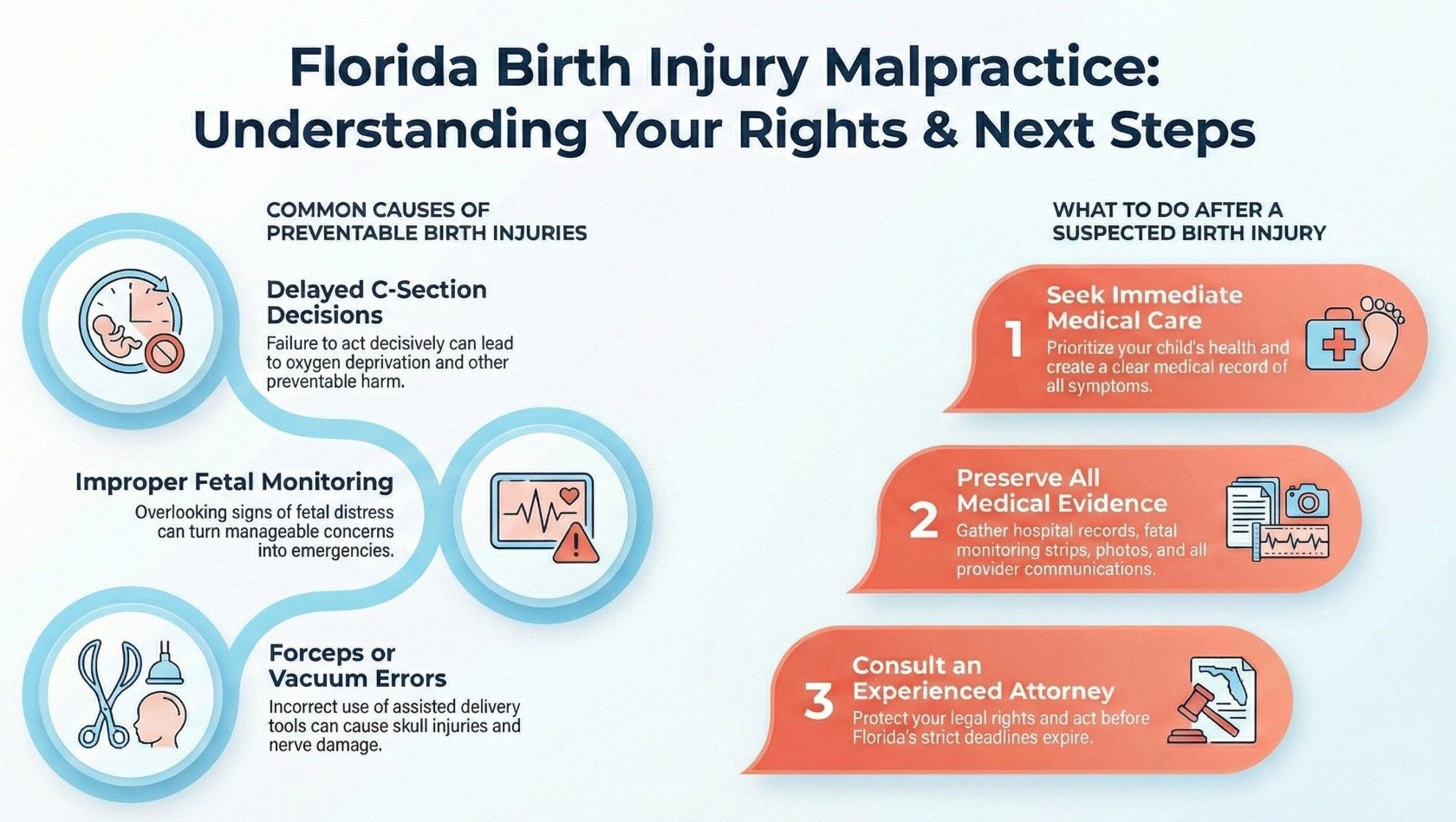
When we examine birth injury cases in Florida, we often see preventable errors such as mismanaged labor inductions and delayed C-section decisions.
We also assess improper fetal monitoring that overlooks signs of distress, which can escalate risks in minutes.
Additionally, we evaluate forceps or vacuum errors during assisted deliveries, identifying where the technique or timing fell below the standard of care.
Mismanaged Labor Inductions
Recognize that labor induction is a powerful intervention that demands precise judgment, vigilant monitoring, and strict adherence to protocols. When providers mishandle inductions, mothers and newborns face preventable risks.
We evaluate whether clinicians assessed indications, counseled on alternatives, and obtained informed consent with clear discussion of benefits and dangers.
We scrutinize oxytocin protocols, ensuring dosing is aligned with hospital policy, fetal response, and maternal condition.
Missteps often include excessive titration, inadequate fetal heart rate surveillance, or ignoring warning signs of uterine hyperstimulation. These errors can lead to fetal distress, uterine rupture, postpartum hemorrhage, and failed inductions that expose patients to cascading complications.
We analyze charting, nursing notes, and timing of interventions to identify breaches in care. Our goal is accountability and safer births for Florida families.
Delayed C-Section Decisions
Act decisively—that’s the standard obstetric teams must meet when evolving conditions demand a C-section, yet delays remain a leading cause of preventable birth injuries in Florida.
We see decisions stall when hospitals face staffing shortages, unclear chains of command, or hesitancy to escalate care.
Timely surgical readiness, anesthesia availability, and neonatal support must be coordinated within minutes, not hours.
When teams fail to act, newborns may suffer oxygen deprivation, and mothers face avoidable complications.
We also examine whether clinicians obtained informed consent early, explaining risks of delay and alternatives so families can authorize rapid intervention.
Documentation, escalation protocols, and bedside communication matter.
Our role is to investigate timelines, evaluate deviations from standards, and pursue accountability to improve practices and safeguard families.
Improper Fetal Monitoring
Too often, improper fetal monitoring turns manageable labor concerns into preventable emergencies. We see cases in which staff overlook nonreassuring heart rate patterns, misread contractions, or fail to correlate maternal vital signs with fetal status.
When monitors aren’t placed correctly or alarms are silenced, crucial minutes are lost, and injury risk rises.


We understand the technology as well as the standards. Misuse of wireless telemetry can cause data gaps, while signal artifacts may be mistaken for a healthy rhythm. Clinicians must confirm tracings, document interventions, and escalate care when patterns deteriorate.
They should verify sensor placement, adjust for maternal position, and perform bedside assessments to validate the strip.
When protocols lapse, and harm follows, we investigate, preserve evidence, and pursue accountability to protect families and improve care.
Forceps or Vacuum Errors
When forceps or vacuum extractors enter the delivery, precision and timing matter as much as clinical judgment; these tools can protect a baby during a difficult second stage, yet misuse invites avoidable harm.
We evaluate whether indications were clear, traction was controlled, and the number of pulls stayed within safe limits. Excessive force, poor cup placement, or midpelvic attempts can cause skull injuries, nerve damage, and maternal trauma.
We also examine staffing, supervision, and device maintenance, because worn cups, faulty gauges, or uncalibrated vacuums compromise safety. Documentation should reflect informed consent, fetal station, position, and sequential instrument use, which is often unacceptable.
If standards were breached, we would build the record with expert review, precise timelines, and hospital policies, pursuing accountability and necessary support.
Legal Rights of Florida Baby Delivery Malpractice Injury Victims
Although the circumstances are often overwhelming, Florida law affords clear legal rights to families whose newborns are harmed by delivery negligence.


We recognize that a birth injury reshapes a child’s future and strains a family’s resolve, so we focus on protecting your parental rights and securing accountability. Florida permits families to seek compensation for medical expenses, long‑term therapies, specialized equipment, and the child’s pain and suffering, as well as derivative losses that affect the family.
Your rights center on proving a breach of the standard of care, causation, and damages. Expert testimony, medical records, and objective timelines form the evidentiary foundation.
We also evaluate whether statutory protections or immunities apply and identify all responsible parties.
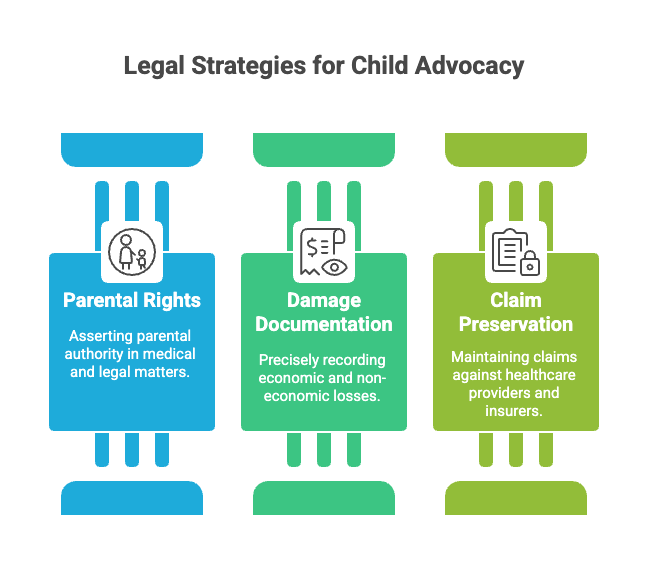
- We assert parental rights to make medical decisions and pursue civil remedies on your child’s behalf.
- We document economic and non‑economic damages with precision, supporting full valuation.
- We preserve claims against hospitals, physicians, and insurers to guarantee exhaustive recovery.
Steps to Take After a Florida Baby Delivery Malpractice Injury
When a birth injury occurs, we must act promptly by seeking immediate medical care to protect the child’s health and create a clear record of symptoms and treatment.
We should preserve medical evidence, including prenatal records, delivery notes, lab results, imaging, and communications with providers, maintaining originals and creating secure copies.
We then consult an experienced Florida birth injury attorney who can evaluate causation, manage communications with insurers, and position the case for timely action within applicable deadlines.
Seek Immediate Medical Care
Even if symptoms seem minor, seek immediate medical care for your newborn and for the birthing parent, as prompt evaluation can prevent complications and create a clear medical record.
We encourage you to request a complete neonatal exam and a documented postpartum assessment, including critical signs, neurological checks, and feeding observations. Ask the provider to note timelines, presenting symptoms, and any interventions.
If respiratory distress, seizures, jaundice, unusual bruising, or poor tone appear, insist on escalation to experts without delay.
We also recommend supportive services that safeguard the family’s well‑being. Family counseling can help you process events, coordinate caregiving, and consistently follow medical guidance.
Keep follow‑up appointments, report new or worsening symptoms immediately, and adhere to treatment plans. Early, thorough care supports recovery and guides responsible next steps.
Preserve Medical Evidence
Prompt care lays the medical foundation; now we safeguard the record that proves what happened and why.
We gather and preserve every piece of medical evidence with discipline and consistency. We request complete hospital records, fetal monitoring strips, medication logs, imaging, and lab results, then store them securely.
We maintain a transparent chain of custody for all originals and copies, documenting who handled each item and when transfers occurred.
We capture photographic documentation of visible injuries, equipment setups, identification bands, and room charts, and date each image, noting context.
We save communications, including discharge instructions and portal messages, and keep a contemporaneous timeline of events and symptoms.
We back up digital files, label everything precisely, and protect metadata to prevent alteration or loss.
Consult an Experienced Attorney
Secure skilled legal counsel without delay to protect your child’s rights and position your successful case. When we consult an experienced Florida birth injury attorney, we gain early guidance on deadlines, evidence, and strategy, which helps us act decisively.
We should request a thorough case evaluation, including a candid assessment of liability, causation, and damages, so expectations remain realistic and focused on outcomes.
We also discuss the fee structure up front, confirm contingency terms, costs for experts, and how expenses are advanced. Clear engagement letters prevent misunderstandings and preserve resources for your child’s care. We ask about the lawyer’s track record, medical experts, and litigation approach to ensure alignment with our family’s priorities.
By retaining counsel promptly, we protect evidence, meet statutory requirements, and position the claim for fair resolution.

How a Florida Baby Delivery Malpractice Injury Lawyer Can Help You
While the immediate focus is on your child’s health, a Florida baby delivery malpractice injury lawyer can step in to protect your legal rights and position your claim for success. We gather medical evidence, coordinate experts, and guide you through each decision so that you can concentrate on your family.
Our role is to lift administrative burdens, explain options, and pursue accountability with care and diligence.
- We evaluate your medical records, from prenatal counseling notes and your birth plan to delivery charts and neonatal assessments, identifying deviations from accepted standards of care.
- We retain qualified obstetric and pediatric experts, build a clear causation narrative, and calculate damages that reflect medical needs, therapy, and postpartum support, while preserving essential deadlines.
- We manage insurers and hospitals, negotiate from a position of strength, and, when necessary, litigate to secure a just result, while connecting you with resources that support emotional recovery and community services.
Long-Term Effects of Florida Baby Delivery Malpractice Injuries
When birth injuries result from malpractice, we must consider the lasting consequences, such as lifelong developmental disabilities that affect learning, communication, and independence.
We also examine chronic pain and mobility limitations that can require ongoing therapies, adaptive equipment, and home modifications.
Collectively, these challenges result in high ongoing medical costs, and we work to document and pursue compensation that accounts for a child’s care needs across a child’s lifetime.
Lifelong Developmental Disabilities
Although some birth injuries heal with time, others leave children facing lifelong developmental disabilities that reshape every aspect of family life.
We recognize the daily demands of cognitive, behavioral, and communication challenges, and we focus on building a plan that anticipates needs across school, healthcare, and adulthood.
Early intervention can improve outcomes, yet families also require coordinated support to secure therapies, assistive technologies, and appropriate educational services.
We work to document the full scope of these disabilities, establish lifetime care projections, and pursue compensation that funds the needed services without interruption. Family counseling helps caregivers adapt, reduce stress, and maintain resilient routines.
Chronic Pain and Mobility
Often, birth injuries from delivery malpractice lead to persistent pain and restricted mobility that alter a child’s daily function and long‑term independence. We see how chronic stiffness, muscle spasticity, and joint instability can limit gait, balance, and fine motor control.
These challenges affect school participation, self‑care, and social engagement, often requiring structured therapy and consistent support. We work with families to document pain patterns, range‑of‑motion limits, and the functional impact over time.
Targeted rehabilitation can improve strength and flexibility, but many children still need mobility aids to find their way through their environments safely. Braces, walkers, or wheelchairs must be matched to the child’s growth and goals.
We coordinate with treating professionals to build clear, evidence‑based records that demonstrate functional losses, pain interference, and safety risks, supporting thorough accountability.
Ongoing Medical Costs
Stacking up over the years, the medical costs tied to Florida delivery malpractice injuries can eclipse what most families ever anticipate.
We see expenses that begin in the NICU and continue through childhood and adulthood, including therapies, surgeries, medications, adaptive equipment, and specialized education supports. These needs require disciplined budgeting, transparent documentation, and early evaluation of insurance gaps.
We help families project future costs with precision, using life-care plans that account for inflation, clinical milestones, and evolving standards of care. Effective caregiver planning is vital, coordinating respite services, home health aides, and vocational supports to prevent burnout and preserve stability.
We also assess transportation, housing modifications, and technology upgrades. By quantifying every foreseeable expenditure, we position claims to secure full, lifelong coverage, not short-term relief.
Proving Liability in Florida Baby Delivery Malpractice Medical Malpractice Injury Cases
Establishing liability in a Florida baby delivery malpractice case demands a methodical showing that the provider’s conduct fell below the accepted standard of care and directly caused injury to the mother or child.
We begin by gathering thorough medical records, timelines, and witness accounts, then identifying deviations such as delayed fetal monitoring, improper response to distress, or errors during labor and delivery.
We also evaluate whether informed consent was obtained, documented, and honored, especially when emergent interventions or alternatives were available.
To meet Florida’s legal requirements, we secure expert testimony from qualified obstetric and neonatal authorities.
These experts articulate the applicable standard of care, explain how the provider departed from it, and connect that breach to the specific harm.
We corroborate causation with objective evidence, including fetal heart tracings, Apgar scores, imaging, and postnatal assessments.
Throughout, we preserve evidence, comply with presuit screening rules, and prepare a clear, fact-driven liability narrative.
Compensation for Florida Baby Delivery Malpractice Damages
Compensation serves a restorative purpose, aiming to make families financially whole after preventable injuries during childbirth.
Compensation restores stability after preventable birth injuries, helping families become financially whole.
When a child suffers birth trauma, the damage should be addressed immediately and long‑term needs. We pursue economic losses such as past and future medical care, surgeries, therapies, medications, and specialized equipment.
We also seek compensation for lost wages and diminished earning capacity for parents who must reduce work to provide care.
Non‑economic damages recognize the profound human cost. We document a child’s pain and suffering, loss of enjoyment of life, and the family’s emotional distress. When applicable, we pursue compensation for permanent disability, disfigurement, and the costs of educational accommodations and in‑home support.
To secure full financial recovery, we build focused life‑care plans with medical and vocational experts, project inflation‑adjusted costs, and present clear evidence of how the injuries affect daily life. Our goal is to obtain resources that safeguard the child’s well-being and stabilize the family’s future.
The Statute of Limitations for Florida Baby Delivery Malpractice Injury Cases
Securing fair damages means little if a claim isn’t filed on time, so we pay close attention to Florida’s statute of limitations for birth injury malpractice.
In most medical negligence cases, the filing deadline is two years from when the incident occurred or should reasonably have been discovered.
Birth injury matters add statute nuances that can extend or restrict that window, depending on when the harm was or could have been recognized. Discovery tolling may apply if the injury wasn’t apparent at birth, yet it doesn’t permit indefinite delay.
Florida also imposes an outer cap called a statute of repose, which generally bars actions after four years, with limited exceptions for fraud or concealment.
For minors, specific extensions can apply, but they’re not automatic, and strict notice requirements still govern.
We calculate deadlines precisely, preserve evidence promptly, and serve required pre-suit notices. Acting early protects your family’s rights and preserves crucial proof.
Why You Need an Experienced Florida Baby Delivery Malpractice Injury Lawyer
While birth injuries can stem from a single misstep, proving malpractice requires targeted skill and resources that most families can’t marshal on their own. We investigate intricate medical records, consult qualified experts, and connect the evidence to clear breaches of the standard of care.
That rigor helps demonstrate how birth trauma occurred, whether from delayed intervention, improper monitoring, or misuse of delivery tools.
We also understand the legal nuances that determine liability and damages. Florida’s statutes, evidentiary rules, and pre-suit requirements demand precision. We preserve deadlines, secure testimony, and counter defense strategies that shift blame or minimize harm. When consent failures arise, we analyze documentation, provider explanations, and risk disclosures to show how informed decision-making was undermined.
Our role centers on protecting your child’s future. We quantify lifelong needs, from specialized therapies to assistive technology, and present those costs persuasively. By shouldering the legal burden, we enable you to focus on caregiving, recovery, and dignity.
How to Choose the Right Florida Baby Delivery Malpractice Injury Lawyer for Your Case
Even before we evaluate potential claims, we should choose counsel with the specific experience, resources, and credibility that Florida birth injury litigation demands. We begin by verifying a track record in obstetric and neonatal malpractice, including verdicts, settlements, and familiarity with Florida’s pre-suit requirements.
We look for strong medical networks to ensure swift access to qualified experts, life care planners, and economists.
We prioritize clear communication. During client interviews, we assess whether the lawyer listens carefully, explains strategy, and sets realistic expectations. Transparent fee structures matter; we confirm contingency terms, litigation costs, and who advances expenses, then obtain the arrangement in writing.
We also evaluate staffing and caseload to gauge responsiveness and capacity.
We check independent reviews, disciplinary history, and peer recognition, yet we probe beyond ratings with thoughtful questions about case assessment and trial readiness. Finally, we choose counsel who demonstrates respect for families, protects privacy, and commits to timely, diligent advocacy.
About the Law Offices of Anidjar and Levine
Choosing counsel with proven birth injury experience sets the standard for the representation we offer at the Law Offices of Anidjar and Levine.
We focus on helping families navigate the aftermath of delivery malpractice and align legal strategy with your child’s long-term needs.
Our team prepares every case meticulously, evaluates medical records rigorously, and pursues full accountability from negligent providers.
Our firm’s history reflects steady growth, disciplined advocacy, and consistent results across Florida.
We’ve built a practice centered on service, prompt communication, and careful case management, because families merit clarity and reliable guidance.
Client testimonials highlight our responsiveness, case preparation, and commitment to meaningful outcomes, reinforcing the trust we work to earn in every matter.
We collaborate with medical experts, develop clear damage presentations, and negotiate from a position of evidence and trial readiness.
When a settlement isn’t just, we litigate decisively. We stand beside you at every phase, advancing your child’s interests with precision and resolve.
Frequently Asked Questions
What Documents Should We Bring to an Initial Consultation?
Bring all relevant medical records, prenatal and delivery notes, discharge summaries, and imaging or lab results.
Include a timeline of events, a list of providers, and contact information for witnesses.
Bring insurance policies, correspondence with insurers, denied claims, and explanation-of-benefits statements.
Gather prescriptions, billing statements, and payment receipts.
Prepare a written summary of concerns and questions.
If available, include photographs, journals, or communications that document symptoms, complications, or follow-up care.
Can We Pursue a Claim if We Signed Consent Forms?
Yes, we can often pursue a claim even if you signed consent forms. Informed consent doesn’t excuse negligent care, undisclosed material risks, or deviations from standards.
We’ll assess whether the risks were fully explained, alternatives were discussed, and the documentation was accurate. If fault is shared, comparative negligence may reduce, not eliminate, recovery.
We’ll gather records, consult experts, and evaluate causation and damages, ensuring your rights are protected while honoring our commitment to serve families with diligence.
Will a Malpractice Claim Affect Ongoing Neonatal Care?
No, filing a malpractice claim shouldn’t disrupt your baby’s ongoing neonatal care. We coordinate discreetly with providers, emphasize care advocacy, and avoid interfering with treatment plans.
We help you document care while maintaining professional relationships, safeguarding trust, and access. Through continuity planning, we make sure that records, referrals, and insurance communications proceed smoothly.
If issues arise, we intervene promptly, address retaliation risks, and, when needed, adjust care teams to protect your child’s health, dignity, and long‑term outcomes.
How Are Structured Settlements Handled for Minors in Florida?
Structured settlements for minors in Florida are typically placed under court supervision to protect the child’s interests.
We advocate for guardian-managed trusts or restricted accounts to ensure funds support medical, educational, and life-care needs.
Courts often require court-approved annuities, providing guaranteed, tax-advantaged payments over time.
We petition for tailored disbursement schedules, appoint a guardian or trustee when needed, and obtain periodic accountings, so every dollar serves the child’s welfare with transparency and long-term stability.
Can Grandparents Participate in the Legal Process or Claim Damages?
Yes, grandparents can participate in limited ways, but they typically can’t claim damages unless they’ve third-party standing under specific statutes or court orders.
We assess whether they hold legal guardianship, court-approved caregiving roles, or independent claims, such as loss of consortium, where permitted.
They may support the case through testimony, records, and advocacy.
Separately, visitation rights may be pursued, but they’re distinct from damages and follow strict statutory standards.
—————————
We’re ready to protect your family’s rights and pursue the compensation your child deserves.
Our team investigates medical errors, consults leading experts, and builds a precise, evidence-driven case.
We handle insurers and deadlines so you can focus on your child’s care.
If negligence caused a preventable birth injury, we’ll fight to hold the responsible parties accountable.
Contact the Law Offices of Anidjar & Levine for a free consultation, prompt guidance, and dedicated advocacy from experienced Florida birth injury attorneys.
Learn more: Medical Malpractice Injury Lawyer


We Can Help.