

We investigate ischemic stroke injuries with urgency, preserve essential timelines and records, and consult leading stroke experts to prove duty, breach, causation, and damages. At the Law Offices of Anidjar and Levine, we analyze imaging, medication decisions, and protocols, then pursue full compensation for medical care, lost income, and long-term needs.
We manage deadlines, negotiate strategically, and litigate when necessary, while coordinating rehabilitation documentation and future care planning. If you’ve suffered harm from delayed diagnosis or treatment, we’re prepared to act decisively, and the next sections explain how we proceed.
Learn more about related services here: Birth Injury Lawyer
Key Takeaways
- Call 911 immediately for suspected stroke; document exact symptom onset times and preserve records, images, and witness statements for legal evaluation.
- A stroke lawyer assesses duty, breach, causation, and damages using timelines, medical records, and expert testimony to prove negligence.
- They scrutinize triage, imaging timing, anticoagulation/antiplatelet decisions, and adherence to stroke protocols against accepted standards of care.
- Counsel manages deadlines, statutes of limitations, government claim notices, and evidence preservation to protect your claim.
- Attorneys pursue compensation for medical costs, lost wages, long-term care, pain and suffering, and negotiate settlements or litigate against providers and institutions.
How We Can Help With Your Ischemic Stroke Injury Claim
Pilot your claim with a team that understands both the medicine and the law. We coordinate your case from the first call, gather records, and consult stroke experts to pinpoint where care fell short. We translate intricate timelines into clear evidence, then build a focused strategy that protects your rights and preserves essential deadlines.
We document losses with precision, including hospital costs, rehabilitation access needs, mobility equipment, home modifications, and future therapy. We also account for lost income, diminished earning capacity, and the hidden strain on families by valuing respite services and caregiver support. Our negotiations are methodical, data-driven, and guided by medical standards, and when necessary, we litigate with rigor and persistence.
Throughout the process, we keep you informed, prepare you for each step, and shield you from insurer tactics. Our aim is straightforward: secure resources that restore stability, fund long-term recovery, and honor the dignity of your daily life.
Understanding Ischemic Stroke Injury Cases
Although every stroke case turns on its specific facts, ischemic stroke claims generally center on whether providers recognized warning signs, acted within time-sensitive treatment windows, and met accepted standards of care.
Ischemic stroke claims hinge on recognizing warnings, acting within treatment windows, and meeting accepted standards of care.
We evaluate whether the clinical presentation, triage decisions, and documentation align with established protocols for diagnosis and intervention. We also examine whether imaging and medication decisions were timely and appropriate, and whether care coordination met facility policies and national guidelines.
We frame each matter through the lens of duty, breach, causation, and damages, supported by expert testimony. Our analysis covers pre-hospital and in-hospital processes, including risk assessment practices that should have identified red flags. When appropriate, we assess stroke prevention counseling and follow-up planning, especially where known risk factors required vigilance.
We gather medical records, policy manuals, and witness accounts, then compare them to standards to determine liability and quantify harm. Our objective, evidence-driven approach positions your claim for a clear, credible presentation.
Common Causes of Ischemic Stroke Injuries
As we assess ischemic stroke injuries, we focus on common medical sources such as atherosclerosis and plaque that narrow arteries and restrict blood flow.
We also examine cardiac emboli from conditions like atrial fibrillation, carotid artery stenosis that reduces cerebral perfusion, and hypercoagulable blood disorders that increase clot formation.
Atherosclerosis and Plaque
Often overlooked until a crisis occurs, atherosclerosis is the gradual buildup of fatty deposits, cholesterol, calcium, and cellular debris—collectively called plaque—along the inner walls of arteries that supply the brain.
As plaque matures, the arterial channel narrows, blood flow slows, and the risk of clot formation rises. Disrupted cholesterol metabolism and persistent vascular inflammation accelerate this process, weakening the fibrous cap and predisposing plaques to rupture.
We evaluate how neglected risk factors—hypertension, diabetes, smoking, and sedentary habits—compound arterial injury.
When a plaque ruptures, platelets aggregate at the site, a thrombus forms, and downstream brain tissue may be deprived of oxygen.
We examine medical records for missed screenings, delayed imaging, or failures to manage lipids and blood pressure, building a clear, accountable narrative for our clients.
Cardiac Emboli Sources
Even when cerebral arteries appear unobstructed, clots formed in the heart can travel upstream and lodge in brain vessels, triggering sudden ischemic stroke.
We often see emboli arise from atrial fibrillation, where irregular beating allows blood to pool and clot in the atria. Prosthetic valves, endocarditis, and left ventricular thrombi after myocardial infarction also generate embolic fragments that reach the brain.
Less common, but significant, sources include atrial myxoma, a benign cardiac tumor that sheds material capable of occluding cerebral arteries.
We also evaluate the possibility of paradoxical embolism, where a venous clot crosses through a patent foramen ovale and enters arterial circulation. Identifying the cardiac source matters, because it guides prevention, anticoagulation decisions, and accountability when monitoring or treatment falls short.
Carotid Artery Stenosis
Cardiac sources aren’t the only culprits in ischemic stroke; narrowing of the carotid arteries in the neck remains a leading cause. When these vessels accumulate atherosclerotic plaque, blood flow can be reduced or abruptly blocked. We evaluate how plaque morphology influences risk, because irregular, ulcerated plaques shed emboli more readily than smooth, stable lesions. We also assess hemodynamic compromise, which occurs when severe narrowing diminishes perfusion to brain tissue, especially during blood pressure drops.
As advocates, we scrutinize whether timely testing, such as carotid ultrasound or CTA, was ordered and correctly interpreted. We examine medical decisions about antiplatelet therapy, statins, and surgical options like endarterectomy or stenting. Our goal is straightforward: determine what should’ve been done, prove causation, and pursue accountability.
Hypercoagulable Blood Disorders
Although strokes are frequently linked to atherosclerosis or atrial fibrillation, hypercoagulable blood disorders are a distinct and potent trigger of ischemic injury. When blood clots form too readily, even a small thrombus can obstruct cerebral circulation and cause devastating harm.
We evaluate both inherited thrombophilia, such as Factor V Leiden or prothrombin gene mutations, and acquired hypercoagulability stemming from cancer, antiphospholipid syndrome, pregnancy, or certain medications.
We work to establish how these conditions were identified, monitored, and treated. Timely testing, appropriate anticoagulation, and risk counseling are vital, and lapses can lead to preventable strokes.
Legal Rights of Ischemic Stroke Injury Victims
When an ischemic stroke results from negligence or substandard care, we’ve legal rights to pursue accountability and compensation through civil claims. Those rights include seeking damages for medical costs, lost wages, long‑term care, and pain and suffering. We may also recover for diminished earning capacity and necessary home modifications. Our role centers on patient advocacy, ensuring the record reflects breaches of duty, causation, and the full scope of harm. We also navigate insurance disputes, challenging denials that undervalue rehabilitation or ongoing therapies.
1) We can assert malpractice claims against providers whose delays, diagnostic errors, or protocol violations caused or worsened the stroke, supported by expert testimony and medical standards.
2) We may pursue vicarious liability against institutions that failed in staffing, supervision, or policies, linking systemic lapses to preventable injury.
3) We’ve rights to equitable remedies, including structured settlements and liens resolution, safeguarding future care while preserving access to crucial community resources and support services.
Steps to Take After a Ischemic Stroke Injury
When an ischemic stroke is suspected, we act immediately and seek urgent medical care, as timely treatment can reduce harm and clarify causation.
We then document symptoms, onset times, treatments, and providers, preserving records and timelines that can substantiate what happened.
As soon as stability allows, we consult an experienced stroke attorney to assess potential liability, protect evidence, and guide the next legal steps.
Seek Urgent Medical Care
In the crucial minutes after ischemic stroke symptoms appear, immediate medical care is nonnegotiable. We act decisively because time-sensitive treatments can restore blood flow and reduce disability.
Early recognition of facial droop, arm weakness, or speech difficulty guides our response, and we don’t drive ourselves or wait for improvement. We call 911 for EMS activation so trained professionals can initiate stroke protocols and route to a capable center.
We also emphasize family preparedness. Loved ones should know local hospital options, keep medication lists accessible, and understand the FAST signs.
While clinicians manage acute care, we advocate for prompt imaging and specialist evaluation, supporting the medical team’s efforts. These actions not only protect the patient now, they set the foundation for secondary prevention and improved long‑term outcomes.
Document Symptoms and Timelines
Capturing symptoms and timelines with precision preserves vital evidence and strengthens both medical care and any future legal claim. We begin by recording the exact date and time of the first warning signs, noting what changed, how fast it progressed, and who observed it.
A structured symptom diary helps us document slurred speech, facial droop, limb weakness, confusion, headaches, or vision loss, including duration, intensity, and triggers. We also save timestamps for 911 calls, hospital arrival, imaging, and medication administration.
We secure witness statements from family, coworkers, or bystanders who saw the onset or deterioration, capturing their observations and contact information. We preserve texts, call logs, wearable data, and photos or videos that show deficits. Finally, we keep discharge summaries, medication lists, and follow-up instructions organized and dated.
Consult Experienced Stroke Attorney
Thorough documentation sets the stage for our next step: consult an experienced stroke attorney who can evaluate liability, preserve evidence, and protect your rights from the outset. We’ll move quickly to secure records, interview witnesses, and retain qualified experts who understand ischemic stroke standards of care. Early counsel strengthens patient advocacy, aligns strategy with medical facts, and prevents insurers from shaping the narrative.
We’ll guide care coordination with providers, ensuring treatment plans, rehabilitation goals, and billing data are accurately captured. Your attorney will assess causation, calculate damages, and identify all responsible parties, including hospitals, clinicians, and device manufacturers. We’ll manage deadlines, file notices, and negotiate from a position of strength. If litigation becomes necessary, we’ll pursue a focused, evidence-driven case that advances recovery and long-term stability.
How a Ischemic Stroke Injury Lawyer Can Help You
Starting with a clear plan, we assess whether medical negligence, delayed diagnosis, or substandard care caused or worsened the ischemic stroke, then move quickly to preserve evidence and protect your claim.
We gather records, consult medical experts, and identify failures in protocols or missed opportunities for stroke prevention. Our objective is to build a compelling, fact-based case that supports accountability and meaningful compensation.
We gather records, consult experts, and pinpoint protocol failures to build a compelling, accountable case.
We shoulder the legal burden, communicate with insurers, and prepare for trial from day one. Throughout, we coordinate resources that can strengthen your recovery and ease caregiver support responsibilities.
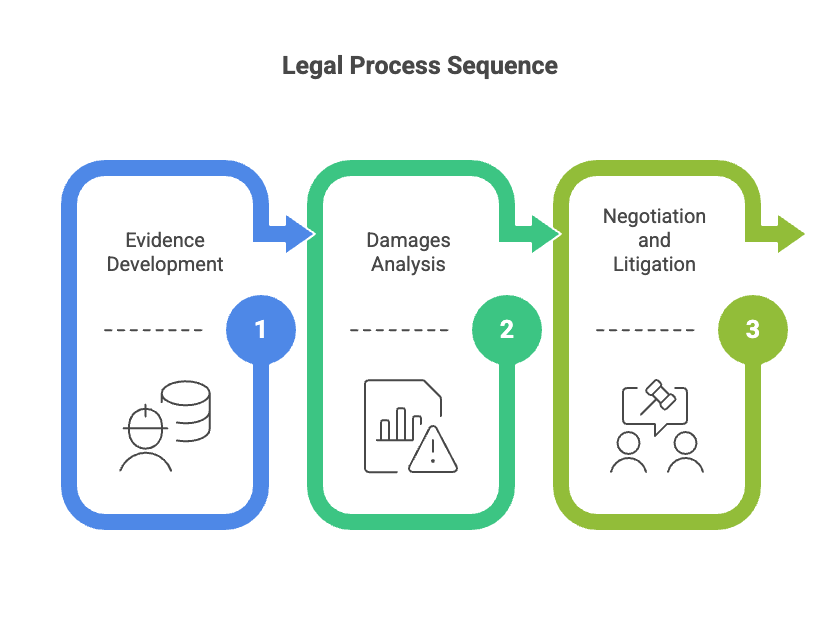
To keep your matter focused and efficient, we provide a structured approach:
- Evidence development: timelines, deviations from standards, and expert testimony.
- Damages analysis: medical costs, lost wages, household services, and future needs.
- Negotiation and litigation: demand packages, mediation, and courtroom advocacy.
We maintain clear communication, meet deadlines, and safeguard your rights, ensuring your voice guides every decision and strategy.
Long Term Effects of Ischemic Stroke Injuries
As we assess the long term effects of an ischemic stroke, we must consider how cognitive and memory deficits can impair decision-making, learning, and daily functioning.
We also examine motor and mobility limitations that affect balance, coordination, and independence, often requiring ongoing therapy and adaptive equipment.
Additionally, we address emotional and behavioral changes, including mood instability and personality shifts, which can strain relationships and complicate rehabilitation.
Cognitive and Memory Deficits
Although every stroke is unique, cognitive and memory deficits are among the most persistent and disruptive long-term effects of ischemic brain injury. We see clients struggle with attention, processing speed, and concentration, which undermines working memory and day-to-day decision-making. Tasks that once felt automatic now require deliberate effort, and intricate information can be difficult to organize or recall. When executive function is impaired, planning, prioritizing, and problem-solving become inconsistent, increasing errors and reducing independence.
We assess how these deficits affect employment, caregiving, and financial management, then document the resulting losses with precision. Neuropsychological evaluations, treatment records, and caregiver reports help us quantify impairment over time. With this evidence, we build claims that secure resources for therapy, cognitive rehabilitation, assistive technologies, and appropriate accommodations that protect dignity and restore stability.
Motor and Mobility Limitations
Regain and maintain movement becomes a central challenge after an ischemic stroke, as damage to motor pathways can leave lasting weakness, spasticity, and impaired coordination on one or both sides of the body.
We see clients struggle with balance, fine motor control, and endurance, which complicates daily tasks and safe community mobility.
Without early intervention, muscle atrophy can progress, increasing fall risk and limiting independence.
We work with care teams to document deficits, guarantee timely therapy, and secure resources for assistive devices.
Structured gait training, combined with strength and flexibility programs, helps retrain patterns, reduce compensations, and improve stability.
We also address home and workplace accommodations, transportation needs, and caregiver support.
Emotional and Behavioral Changes
While physical recovery often draws the most attention after an ischemic stroke, the long-term emotional and behavioral changes can be just as disruptive to daily life and legal claims.
We often see clients experience mood swings, irritability, and reduced impulse control, which strain relationships and caregiving routines.
Depression, anxiety, and social withdrawal may follow, as survivors lose confidence and avoid once-comfortable settings.
Cognitive fatigue and reduced attention can hinder work and community involvement.
We document these changes meticulously, linking them to the stroke’s neurological impact and the resulting needs for counseling, medication, or supervision.
We collaborate with treating providers, gather testimony from family and caregivers, and quantify care costs.
Proving Liability in Ischemic Stroke Medical Malpractice Injury Cases
Because establishing fault is the fulcrum of any ischemic stroke malpractice claim, we focus first on the elements of liability: duty, breach, causation, and damages.
Establishing fault is pivotal; we prioritize duty, breach, causation, and damages in stroke malpractice claims.
We show that a clinician owed a professional duty, then prove a breach by comparing actions to the accepted standard of care. Missed red flags, delayed imaging, or improper anticoagulant management often reveal departures from protocol.
Medical causation is the pivot. We connect the breach to the stroke or its progression, demonstrating that timely adherence to standards would likely have prevented or lessened injury.
We gather records, timelines, and protocols, then coordinate expert testimony from neurologists, emergency physicians, and nursing experts to establish both breach and causal linkage with clarity.
We also verify damages through objective evidence, yet we never lose sight of service. Our aim is to honor your recovery by building a meticulous liability case, grounded in facts, medicine, and law, and presented with precision.
Compensation for Ischemic Stroke Damages
With liability established, we turn to what the law can restore through compensation. We focus on recovering the full measure of your losses, so you can continue caring for yourself and those who depend on you. We document medical expenses, including acute care, medications, and long-term therapies, and we project future needs with precision.
Rehabilitation costs, home health support, adaptive equipment, and home or vehicle modifications are carefully itemized.
We also pursue fair compensation for lost income, diminished earning capacity, and benefits. Our loss valuation addresses non-economic harms as well, including pain, emotional distress, loss of independence, and reduced quality of life. When family members shoulder caregiving burdens, we present those impacts with credible evidence.
If malpractice caused a fatal stroke, we seek wrongful death damages for financial support, funeral expenses, and companion losses. Throughout, we build a record that withstands scrutiny, align experts to support each category, and negotiate or litigate to secure full and just recovery.
The Statute of Limitations for Ischemic Stroke Injury Cases
Time limits control how long you have to file an ischemic stroke injury claim, and missing them can permanently bar recovery.
We need to act within the applicable statute of limitations, which varies by state and by claim type, such as medical malpractice, negligence, or wrongful death. Filing deadlines often range from one to three years, but shorter notice periods may apply when public entities are involved.
We also consider statute nuances like discovery rules, which may delay the clock until the injury was known or should’ve been known with reasonable diligence.
Tolling provisions can pause the period for minors, incapacity, or fraud, yet these exceptions are narrowly interpreted. Separate deadlines may govern derivative claims, including loss of consortium.
We document the date of the stroke, pivotal evaluations, and causation findings, then calculate every cutoff conservatively.
Why You Need an Experienced Ischemic Stroke Injury Lawyer
Deadlines and notice requirements are only part of the challenge; pursuing an ischemic stroke claim demands seasoned advocacy that can match complex medicine with precise legal strategy.
We steer through complicated records, diagnostic timelines, and causation standards, aligning expert testimony with the medical chart to prove breaches of care and damages. We grasp stroke prevention protocols, medication management, and red‑flag symptoms, which allows us to identify failures that a general practitioner or layperson might miss.
We coordinate qualified specialists, preserve essential evidence, and build a coherent narrative that stands up to insurers and defense counsel.
Our approach centers on patient advocacy, ensuring your needs, long‑term therapy, and future costs are fully documented and claimed. We quantify economic and non‑economic losses with precision, from lost earnings to diminished independence. By anticipating procedural challenges and evidentiary attacks, we protect your rights and strengthen negotiation leverage, aiming for a resolution that funds recovery and safeguards dignity.
How to Choose the Right Ischemic Stroke Injury Lawyer for Your Case
Start by evaluating specialization and proof of results, because ischemic stroke litigation demands a lawyer who pairs deep medical knowledge with targeted trial skills.
We should review case histories, expert usage, and verdicts or settlements that mirror our fact pattern. Strong patient advocacy matters, so we look for counsel who collaborates with neurologists, life‑care planners, and economists to quantify losses and future care.
Next, we verify credentials and professional standing. Board certifications, peer recognitions, and leadership in medical negligence sections indicate rigorous standards.
We then assess communication: Does the lawyer explain strategy plainly, provide realistic timelines, and respond promptly? Transparent fee structures are crucial; we confirm contingency percentages, cost advances, and responsibility for expenses if recovery fails.
Finally, we request references and conduct interviews. We ask how they pressure insurers, prepare for trial, and preserve evidence.
The right lawyer aligns with our values, prioritizes dignity, and executes with disciplined precision.
About the Law Offices of Anidjar and Levine
At the Law Offices of Anidjar and Levine, we combine results-driven advocacy with meticulous case preparation to protect ischemic stroke victims and their families. We focus on building strong claims grounded in medical evidence, timely investigation, and strategic negotiation, so your voice is heard and your needs are prioritized. Our team coordinates closely with physicians and life-care planners, ensuring the full scope of damages is properly documented and pursued.
We measure our work by meaningful case outcomes, not promises. Our client testimonials highlight compassionate guidance, clear communication, and consistent accessibility. We maintain a disciplined approach to litigation, pressing insurance carriers with thorough records, expert analyses, and well-supported demands.
From the first consultation, we set expectations, explain options, and outline next steps with precision. We handle the legal burdens while you concentrate on recovery. If trial becomes necessary, we’re prepared to present your case with rigor and integrity, aiming for accountability, stability, and justice.
Frequently Asked Questions
Do You Offer Evening or Weekend Consultations for Stroke Injury Cases?
Yes, we offer evening availability and weekend consultations to accommodate your schedule. We recognize caregiving responsibilities and work demands, so we’ll meet when it best serves you.
We provide prompt case assessments, review critical records, and outline next steps, ensuring you’re informed before decisions arise. We coordinate by phone, video, or in-person, and confirm logistics in writing.
Please share preferred times, and we’ll prioritize timely, discreet support aligned with your needs.
Can You Represent Clients Outside Florida or Coordinate With Local Counsel?
Yes. We provide interstate representation through pro hac vice admissions where appropriate, and when required, we coordinate closely with local counsel.
Our collaborative counsel approach guarantees compliance with each jurisdiction’s rules, preserves strategic continuity, and protects your interests.
We evaluate venue, licensing, and procedural requirements, then assemble a unified team to manage filings, discovery, and negotiations.
We’ll guide you through each step, maintain clear communication, and pursue the strongest path to relief across state lines.
How Do You Communicate Updates—Phone, Email, Client Portal, or Text?
We communicate updates through your preferred channels. We provide phone updates for detailed discussions, concise email summaries for documentation, and timely text alerts for urgent milestones.
Our secure portal offers 24/7 access to documents, calendars, and case status, ensuring transparency and control. We set expectations early, confirm frequency, and document every step, so you’re never uncertain.
We coordinate communication with caregivers when authorized, safeguarding confidentiality while keeping your mission to serve others at the forefront.
Are Interpreter Services Available for Non-English-Speaking Clients?
Yes, we provide interpreter services for non-English-speaking clients. We coordinate Certified interpreters for meetings, calls, and document review, ensuring accuracy at every step.
We also prioritize cultural competency, so communication respects your preferences and context. We schedule interpreters in advance, maintain confidentiality, and verify understanding after each interaction.
We don’t pass translation costs to you without approval. Tell us your preferred language, and we’ll arrange consistent support throughout your case.
What Costs Are Advanced by Your Firm During the Case?
We typically advance filing fees, medical records retrieval, imaging costs, deposition expenses, and court reporter fees.
We also cover expert testimony, including physicians, economists, and rehabilitation experts, as well as investigation and discovery costs.
When appropriate, we advance medication expenses and related treatment documentation to substantiate damages.
We don’t charge you upfront; these costs are reimbursed from any recovery. We itemize all expenditures, maintain transparency, and seek efficiencies to preserve your ultimate compensation.
————
We’re ready to protect your rights, build a compelling claim, and pursue the full compensation you deserve after an ischemic stroke injury. Our team investigates liability, secures medical and expert evidence, and negotiates assertively while preparing for trial when necessary. Don’t wait—deadlines can limit your options. Contact the Law Offices of Anidjar & Levine for a free consultation. We’ll evaluate your case, explain your legal options, and provide focused, strategic representation from start to finish. For related support, see our Birth Injury Lawyer services.

