



We help Florida families hold nursing homes accountable for preventable fall injuries.
The Law Offices of Anidjar and Levine acts fast to preserve surveillance and records, analyze care plans, staffing, and medication risks, and work with medical and nursing experts to prove negligence and causation.
We manage all insurer and facility communications, meet deadlines, and pursue full compensation through negotiation or trial.
We also guide you on immediate steps after a fall and Florida’s statute of limitations, so you can understand your options and what comes next.
Learn more about how we can help: Medical Malpractice Injury Lawyer
Key Takeaways
- We investigate promptly, preserve evidence, and obtain records, incident reports, staffing logs, and surveillance footage to build a strong case.
- Our team coordinates medical evaluations and expert testimony to establish causation, document injuries, and calculate full compensation under Florida law.
- We manage all communications with the facility and insurers, meet deadlines, and pursue negotiation or litigation while preparing as if for trial.
- We analyze care plans, fall-risk assessments, medications, and staffing practices to identify breaches of duty and regulatory noncompliance.
- Free consultation for Florida families; we explain timelines, expectations, and next steps, and work on contingency—no fee unless we recover.
How We Can Help With Your Florida Nursing Home Fall Injury Claim
We begin by listening, gathering records, and outlining a tailored strategy that respects your loved one’s dignity and your family’s goals.
Start with a clear plan: we listen, gather records, and craft a tailored strategy.
We coordinate with medical providers, obtain incident reports, and secure witness statements, ensuring a thorough foundation for the claim. We schedule family meetings to align expectations, clarify timelines, and define roles, so decisions are informed and consistent with your values.
Dig deeper into our in-depth case study: A Framework for Accountability in Florida Nursing Home Fall Litigation
We handle communications with facilities and insurers, managing documentation, deadlines, and negotiations with disciplined precision. When insurance disputes arise, we confront them with evidence-driven advocacy, challenging denials, undervaluations, and delays.
We retain qualified experts to assess fall risks, standards of care, and causation, and we prepare every matter as if it will proceed to trial.
We pursue compensation for medical care, rehabilitation, and related losses, while safeguarding your time and peace of mind. Throughout, we provide clear updates, decisive recommendations, and steady representation aimed at fair, timely resolution.
Understanding Florida Nursing Home Fall Injury Injury Cases
From the outset, we ground every Florida nursing home fall case in the facts, the law, and the standards that govern resident safety.


We evaluate the resident’s care plan, risk assessments, and incident documentation, then compare them to statutes, regulations, and facility policies. Our analysis focuses on whether supervision, monitoring, and interventions matched the resident’s known risks, and whether staff training met regulatory and internal requirements.
We gather medical records, staffing schedules, and witness statements to verify what happened and why. We consult qualified experts to assess compliance with nursing standards, documentation integrity, and post-fall responses. Chain-of-custody for evidence and timely preservation letters guarantee essential proof is secured.
We also prioritize family advocacy. Families often hold principal insights into a resident’s baseline function and unmet needs, which strengthen liability and damages. Throughout, we measure losses exhaustively, including medical costs, functional decline, pain, and loss of dignity, to define a precise, evidence-based path to accountability.
Common Causes of Florida Nursing Home Fall Injury Injuries
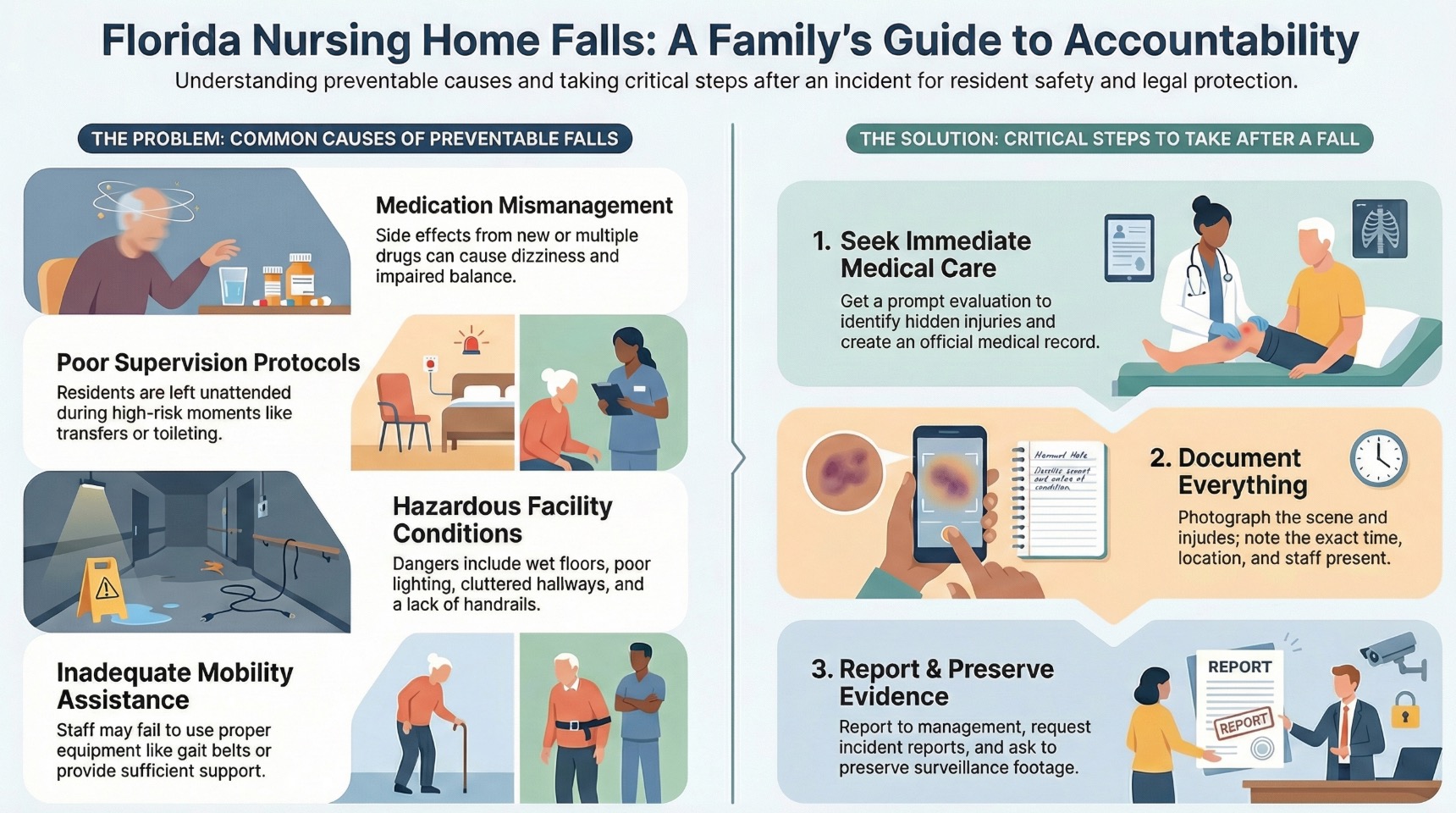
We often see fall injuries stem from predictable risks, including medication side effects that cause dizziness or confusion, and poor supervision protocols that leave residents unattended during high‑risk moments.
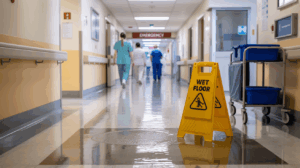
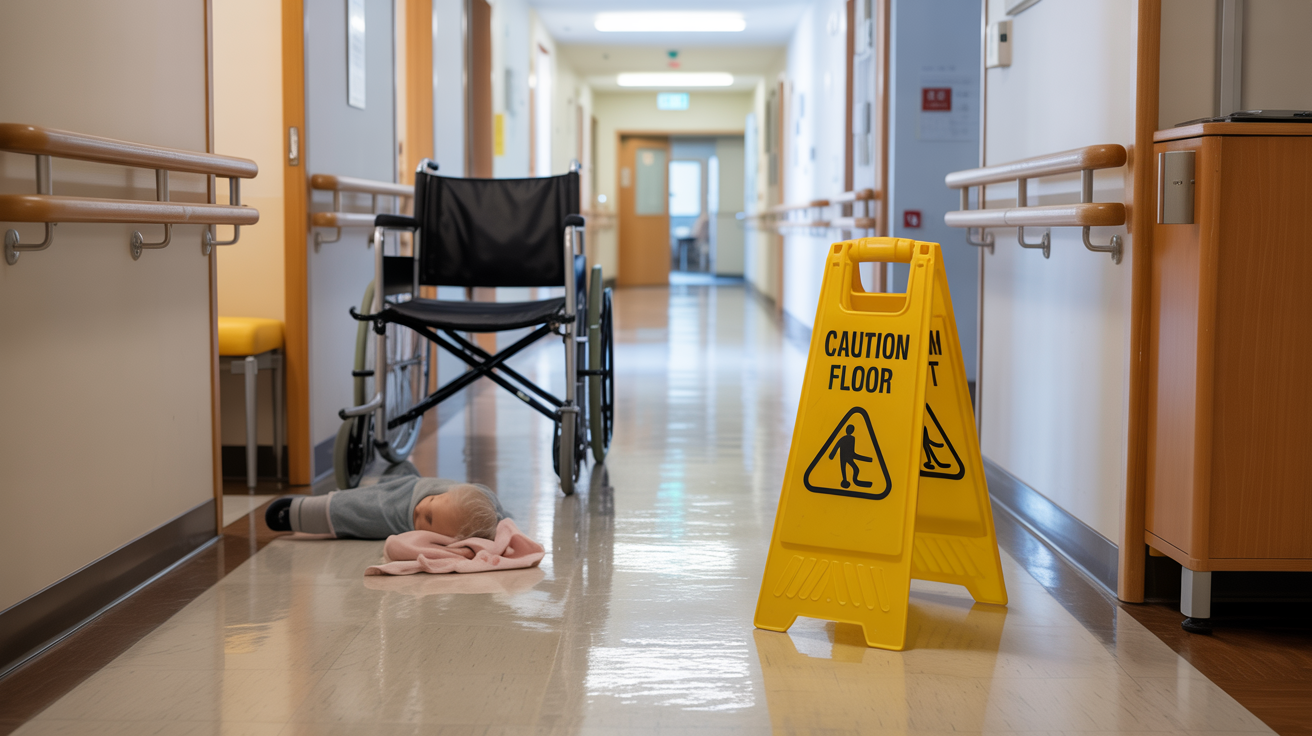
Hazardous facility conditions, such as wet floors, cluttered hallways, inadequate lighting, or lack of handrails, further increase the likelihood of a serious fall.
Inadequate mobility assistance—improper transfers, missing gait belts, or insufficient staffing—can turn routine movement into a preventable accident.
Medication Side Effects
Often overlooked yet pervasive, medication side effects play a substantial role in Florida nursing home fall injuries. We see fall risk rise sharply when residents receive multiple medications with overlapping effects.


Prescription interactions can amplify dizziness, reduce blood pressure, and impair balance, while Drowsiness risk from sedatives, antipsychotics, and certain pain relievers undermines gait stability and reaction time. We evaluate medication lists, timing, and recent changes, then connect those details to documented falls.
We consult pharmacology references, assess black-box warnings, and cross-check for contraindications common in older adults. We also analyze hydration status and electrolyte shifts that potentiate side effects. When facilities ignore clear risk signals, we gather records, interview providers, and retain experts.
Our goal is to protect residents, prove causation, and pursue accountability.
Poor Supervision Protocols
Although many facilities have policies on paper, poor supervision protocols remain a leading driver of Florida nursing home fall injuries. When residents aren’t closely observed during transfers, toileting, or ambulation, preventable slips and missteps occur.


We often find gaps in staff training, especially on recognizing fall risk indicators, using assistive devices, and responding to sudden instability. Inconsistent shift handoffs compound risk, as crucial information about recent dizziness, medication changes, or wandering tendencies gets lost.
Supervision plans must assign responsibility, set observation intervals, and require prompt documentation. Ratios matter, but so do vigilance and accountability.
When protocols fail, families merit answers and corrective measures. We investigate records, interview caregivers, and assess whether supervision standards were followed, then pursue remedies to protect residents.
Hazardous Facility Conditions
Staff vigilance can’t compensate for floors, fixtures, and layouts that create tripping and slipping dangers. Hazardous facility conditions are preventable, yet they persist when maintenance and safety audits lapse.
We see residents face undue risk from wet surfaces, poor lighting, cluttered corridors, and uneven flooring that catches toes and walkers. Loose handrails, abrupt threshold changes, and torn carpeting amplify slip hazards, especially for those with balance issues.
We’re committed to holding facilities accountable for rigorous inspection routines, documented repairs, and prompt hazard removal. Policies must require non-slip surfaces, proper drainage, clear signage, and lighting that eliminates shadows.
Hallways should remain unobstructed, and bathroom fixtures must be secure and reachable. When administrators neglect these fundamentals, they breach a duty of care, and preventable falls cause serious, life-altering injuries.
Inadequate Mobility Assistance
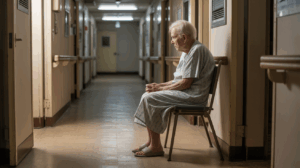
When mobility assistance falls short, residents face preventable risks during transfers, ambulation, and toileting—times when stability is most vulnerable. We see falls occur when care plans aren’t followed, gait belts are skipped, or assistive devices are missing, ill-fitted, or left out of reach.
Inadequate staff training magnifies these dangers, particularly during shift changes and rushed routines. Residents with cognitive impairment, orthostatic hypotension, or recent surgeries require vigilant, hands-on support and clear communication.
We assess whether staffing levels, supervision, and protocols met required standards. We examine documentation, care plans, and incident reports, then compare them to accepted practices. If a facility failed to provide needed assistance, we hold it accountable.
Our goal is to secure corrective measures and compensation that protect dignity and prevent future harm.
Legal Rights of Florida Nursing Home Fall Injury Victims
Even as recovery begins, Florida law affords nursing home fall victims clear rights that we can invoke to protect safety, dignity, and compensation. We rely on the Nursing Home Residents’ Rights Act and related regulations to assert resident rights, demand transparency, and challenge negligent care.
We emphasize informed consent, timely notification of changes in condition, and freedom from abuse or neglect. We also elevate family advocacy, ensuring loved ones participate in care planning and receive full access to records relevant to the fall.
Florida law empowers nursing home fall victims—protecting safety, dignity, transparency, and family-driven advocacy.
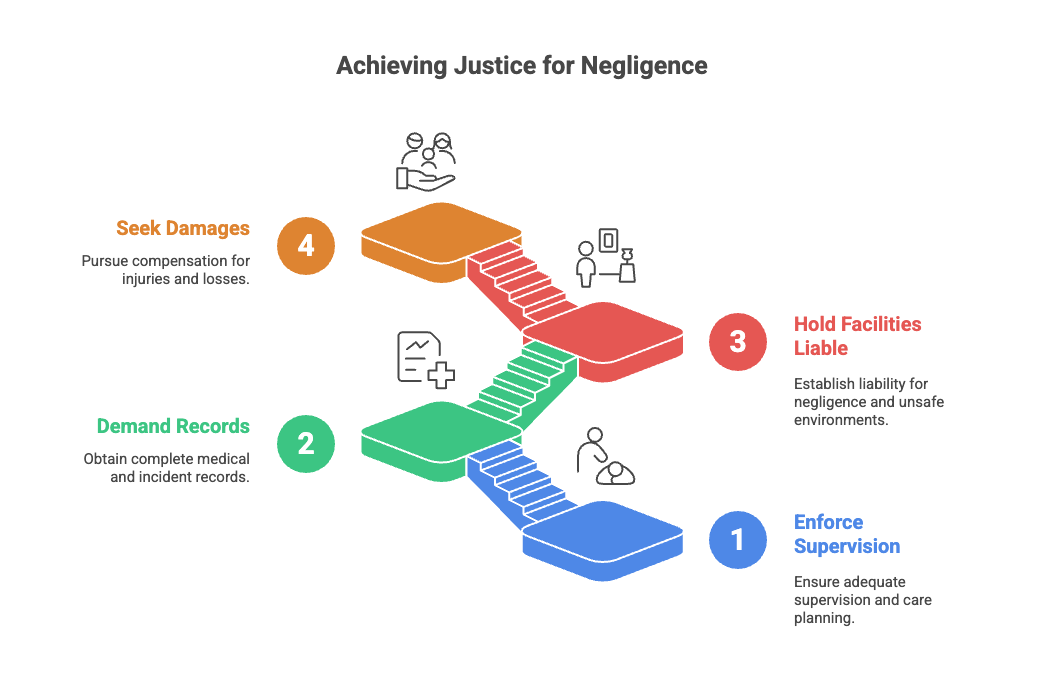
- Enforce the right to adequate supervision, care planning, and fall prevention protocols.
- Please make sure to demand complete medical and incident records, including staffing logs and policy compliance.
- Hold facilities liable for negligence, understaffing, or unsafe environments causing injury.
- Seek damages for medical costs, pain and suffering, disability, and loss of dignity.
We pursue accountability through administrative complaints and civil claims, preserving remedies within statutory deadlines. With careful documentation and focused advocacy, we protect your voice and secure lawful redress.
Steps to Take After a Florida Nursing Home Fall Injury
When a nursing home fall occurs, we first ensure the resident receives immediate medical care to stabilize injuries and establish a clear treatment record.
Next, we document incident details, including time, location, staff present, witness accounts, and any prior complaints or hazards.
Finally, we report the incident to facility management and state authorities as appropriate, and we preserve evidence such as photos, video, medical records, and faulty equipment.
Seek Immediate Medical Care
Act fast after a nursing home fall by securing a prompt medical evaluation, even if injuries seem minor. We prioritize an emergency assessment to identify hidden fractures, head trauma, or internal injuries, which can escalate without swift care.
Prompt transport to a hospital or urgent care facility helps physicians order imaging, monitor neurological changes, and stabilize pain.
We also confirm current medications, mobility limitations, and prior conditions, since they affect bleeding risk and recovery. Early treatment creates a clear medical timeline, which supports accountability and appropriate care planning.
We obtain discharge instructions and follow-ups, ensuring adherence to restrictions and therapy.
As soon as practical, we assist with insurance notification to preserve coverage, coordinate benefits, and prevent delays in necessary services, while maintaining the resident’s health as the foremost priority.
Document Incident Details
Although medical care comes first, we should move quickly to document the fall with precise, contemporaneous notes and evidence. Let’s record the date, time, and exact location, then describe lighting, room temperature, footwear, mobility aids, and any hazards.
We should note staff on duty and care plans in effect. Photograph the scene from multiple angles, including the floor surface, bed height, call light placement, and any visible injuries.
We should secure witness statements from residents, visitors, and staff, capturing what they saw, heard, and did. Detail prior falls, recent medication changes, and cognitive status. Document any floor inspections, cleaning schedules, and maintenance logs relevant to the area.
Finally, write a straightforward narrative of events before, during, and after the fall, ensuring our notes are dated, signed, and promptly compiled.
Report and Preserve Evidence
Start by reporting the fall to facility management and the resident’s physician immediately, then insist that the incident be entered into the official records and request a copy. We should also obtain the facility’s incident reports, medication logs, care plans, and staffing rosters, ensuring they’re preserved unaltered.
To protect the evidence chain, we secure photographs of the scene, footwear, mobility aids, bed alarms, and any hazards, date-stamped and labeled.
Next, we identify staff and resident witnesses, collect contact information, and document preliminary statements to support witness preservation. We request the preservation of surveillance footage, call-light records, and maintenance logs through a written hold letter.
Finally, we store medical records and communications in a centralized file, track document custody, and avoid sharing originals, retaining authenticated copies.
How a Florida Nursing Home Fall Injury Lawyer Can Help You
Find your way through the aftermath of a nursing home fall with a focused advocate who understands Florida law and the standards governing long-term care.
Navigate a nursing home fall with a Florida-savvy advocate for long-term care standards.
We guide families through each step, from case evaluation to resolution, with careful attention to detail and dignity. We analyze policies, incident reports, and medical records to identify breaches in care, including inadequate staff training and flawed risk assessment protocols. Our goal is to secure accountability while protecting your loved one’s rights.
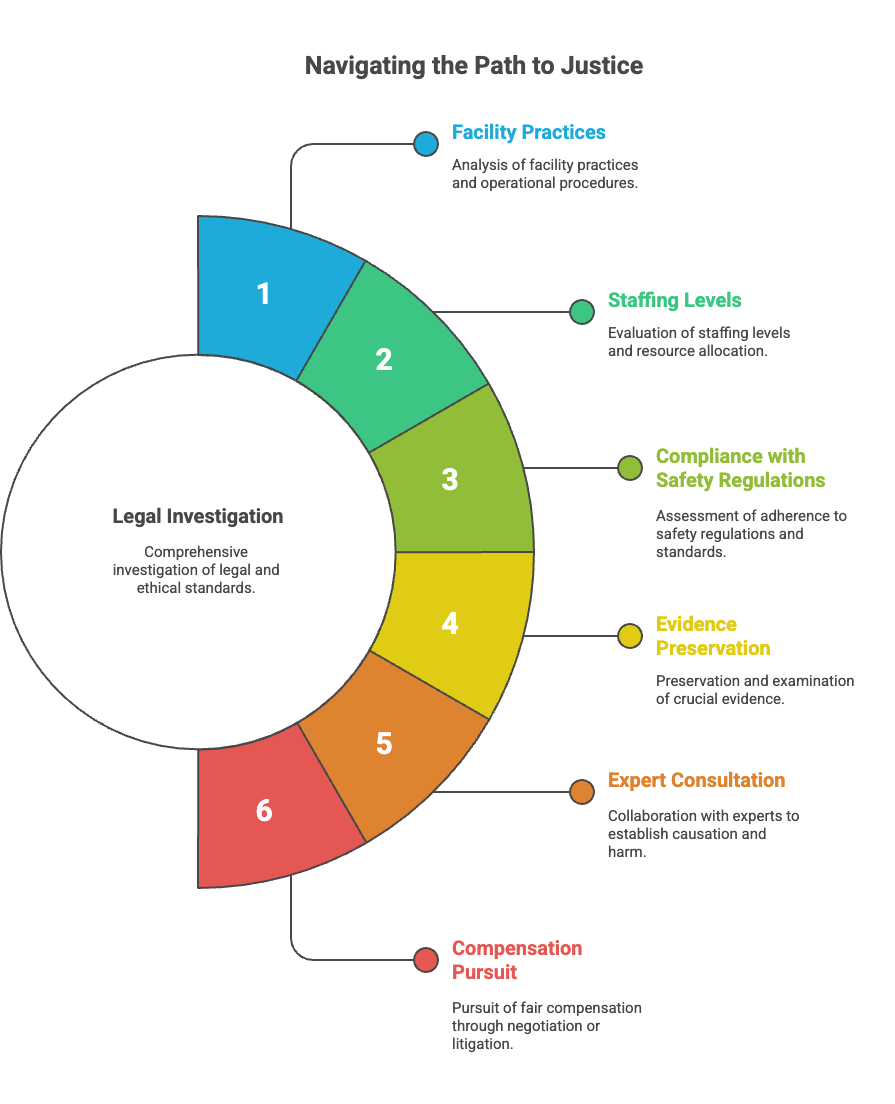
- Investigate facility practices, staffing levels, and compliance with safety regulations
- Preserve and examine evidence, including surveillance, care plans, and witness statements
- Work with medical and nursing experts to establish causation and the full scope of harm
- Pursue fair compensation through negotiation or litigation, tailored to your objectives
We coordinate communications with insurers and facilities, ensuring timely notices and filings. We also assess comparative fault issues, evaluate policy limits, and document losses with precision. Throughout, we keep you informed, prepared, and positioned for a meaningful outcome.
Long-Term Effects of Florida Nursing Home Fall Injuries
We should consider how chronic pain and reduced mobility can persist long after a fall, limiting independence and increasing medical needs.
We must also recognize the heightened risk of cognitive decline, as immobility, medication changes, and post-injury complications can impair memory and decision-making.
Finally, we’ll assess the emotional and social impact, including depression, anxiety, and isolation, which often compound physical challenges and impede recovery.
Chronic Pain and Mobility
Too often, a nursing home fall sets in motion chronic pain and progressive mobility loss that reshape a resident’s daily life. After fractures, soft-tissue injuries, or aggravated arthritis, pain becomes constant, movement narrows, and independence erodes.
We work to identify the source of pain early, document functional limitations, and coordinate pain management that balances relief with safety.
Targeted rehabilitation matters. We support therapy plans that build strength, protect joints, and prevent secondary injuries. Proper mobility aids, from walkers to transfer devices, reduce strain and restore safer movement when selected and fitted correctly.
We also press facilities to maintain fall-prevention protocols, monitor medication side effects, and adjust care plans as conditions evolve. When neglect undermines recovery, we gather records, consult experts, and pursue accountability to secure needed resources.
Cognitive Decline Risks
Although a fall may seem like a purely physical event, it can accelerate cognitive decline through direct brain injury, untreated concussion, prolonged pain, and post-fall immobility.
We often see reduced attention, slower processing speed, and impaired executive function after even a “minor” fall, particularly when a concussion goes undiagnosed. Pain, sleep disruption, and increased sedation can compound deficits, undermining daily orientation and self-care.
To safeguard a resident’s cognition, we advocate immediate neurological assessment, careful medication review, and a structured rehabilitation plan.
We emphasize memory exercises tailored to current abilities, combined with consistent routines and hydration monitoring. Practical caregiver training helps staff recognize subtle cognitive changes, follow concussion protocols, and document progression.
With timely intervention, we can stabilize function, preserve dignity, and reduce preventable deterioration.
Emotional and Social Impact
Even when physical injuries heal, a nursing home fall can leave lasting emotional and social scars that reshape a resident’s daily life. We often see fear of walking, anxiety in crowded spaces, and sleep disruption, which erode confidence and participation.
When mobility shrinks, isolation effects grow, reducing contact with peers and staff. Over time, residents may experience identity loss, especially if they once led active lives or held caregiving roles.
We can reduce these harms with intentional support. Consistent reassurance, trauma‑informed communication, and gradual exposure to safe movement help restore trust: family engagement, peer groups, and structured activities counter withdrawal.
Personalized care plans should include mental health screening, counseling referrals, and social goals. By coordinating these measures, we protect dignity and rebuild community connection.
Proving Liability in Florida Nursing Home Fall Injury Medical Malpractice Injury Cases
When a resident suffers a preventable fall in a Florida nursing home, establishing liability turns on proving that the facility breached its duty of care and that this breach directly caused the injury.
Liability hinges on proving a breached duty of care directly caused the resident’s injury.
We begin by examining policies, staffing levels, and prior incident reports, then measure them against Florida regulations and accepted nursing standards. We secure records documenting care plans, fall risk assessments, medication profiles, and supervision logs, looking for gaps that reveal negligence.
We also evaluate the credibility of witnesses, including staff, residents, and family members, to corroborate timelines and identify inconsistencies. Photographs, surveillance footage, and maintenance logs help show hazards like poor lighting, wet floors, or defective equipment.
To connect breach to harm, we marshal expert testimony from nursing and medical authorities who explain what should’ve been done and how the failure caused the fall and resulting injury. Finally, we preserve evidence promptly, issue spoliation letters, and build a straightforward, chronological narrative that withstands scrutiny.
Compensation for Florida Nursing Home Fall Injury Damages
Accountability matters most at the remedy stage, where we quantify the full scope of losses a preventable nursing home fall inflicts and pursue every dollar the law allows.
We focus on medical expenses, rehabilitation, assistive devices, and increased care needs, while also addressing pain and suffering, loss of dignity, and loss of enjoyment of life. When families shoulder caregiving burdens, we seek compensation for respite care and related out‑of‑pocket costs.
Our injury valuation process integrates medical records, expert opinions, and functional assessments to project future harms with precision. We document fall-related complications, such as fractures, head trauma, and infection risks, to establish causation and durable impact.
We also calculate wrongful death damages when a fall proves fatal.
We guide you through realistic settlement timelines, balancing urgency with the need for thorough proof. When insurers undervalue claims, we prepare for trial, preserve evidence, and press for punitive damages where egregious misconduct or systemic neglect justifies that remedy.
The Statute of Limitations for Florida Nursing Home Fall Injury Cases
Because deadlines can decide outcomes, we start by clarifying Florida’s statute of limitations for nursing home fall injuries. In most cases, we must file within two years of the date of injury or the date the injury should have been discovered through reasonable diligence.
This timing framework reflects Florida’s discovery rule, which protects residents and families who couldn’t immediately know that negligence caused the fall or worsened the harm.
We also evaluate tolling exceptions that may pause the clock. Common grounds include the defendant’s concealment or misrepresentation, the resident’s incapacity, or the absence of a known representative to act. When a fall results in wrongful death, a distinct two-year period usually applies, starting on the date of death.
To preserve evidence and options, we calculate deadlines early, confirm the correct parties, and comply with pre-suit notice requirements. Acting promptly safeguards your loved one’s rights and strengthens the path toward accountability.
Why You Need an Experienced Florida Nursing Home Fall Injury Lawyer
Though every case turns on its facts, an experienced Florida nursing home fall injury lawyer gives you a decisive advantage from day one.
We recognize how to secure and analyze medical records, incident reports, and surveillance footage before they disappear, and we press facilities to preserve evidence immediately. We identify systemic failures in Staff training and supervision, and we expose gaps in Falls prevention policies that put residents at risk.
We work with medical and biomechanical experts to link negligent conduct to the injuries, quantify losses, and forecast future care needs. We grasp the regulatory framework governing nursing homes, including reporting duties and care standards, and we use those rules to establish liability.
We coordinate with families and caregivers to document functional decline, pain, and loss of independence with precision.
Our approach is direct and thorough, focused on accountability and safety. We pursue full compensation while promoting better practices that protect vulnerable residents.
How to Choose the Right Florida Nursing Home Fall Injury Lawyer for Your Case
Building on why experienced counsel matters, selecting the right Florida nursing home fall injury lawyer starts with verifying focused experience and proven results in fall-related cases, not just general injury work.
Start by confirming focused fall-case experience and proven results—not just general personal injury work.
We should review case outcomes, settlements, and trial verdicts that specifically involve falls, medication-related dizziness, and inadequate supervision.
We also evaluate whether the lawyer understands facility policies, charting practices, and the roles of nursing staff, because these details shape liability and damages.
We recommend evaluating communication and responsiveness.
We need an attorney who explains strategy, sets expectations, and respects family collaboration, including coordinating with caregivers and trusted advocates.
References from former clients and professionals add credibility, while disciplinary history and professional ratings provide additional assurance.
We also confirm resources and bandwidth.
Investigations require quick access to medical experts, biomechanical analysts, and geriatric experts.
Clear fee structures, written contingency terms, and transparent costs are vital.
Finally, we consider courtroom readiness, not just negotiation skill, to secure the best possible outcome.
About the Law Offices of Anidjar and Levine
Guided by a client-first philosophy, we’ve built the Law Offices of Anidjar & Levine into a results-driven injury firm with deep experience in Florida nursing home fall cases.
We focus on accountability, diligent investigation, and strategic advocacy, ensuring your loved one’s voice is heard and respected.
Our approach blends meticulous case development with accessible communication, so you’re informed at every stage.
We invest in advanced staff training, enabling our team to analyze medical records, facility policies, and safety standards with precision.
This preparation strengthens negotiations and trial presentations, helping us pursue a timely, thorough recovery of medical costs, pain, and long-term care needs.
Beyond the courtroom, our community outreach reflects our commitment to prevention and education, including resources on fall risk, reporting procedures, and residents’ rights.
When you retain us, you gain a coordinated legal team, responsive service, and steadfast advocacy.
We stand beside families, protect dignity, and demand accountability from negligent facilities.
Frequently Asked Questions
What Evidence Should Families Collect Before Contacting a Lawyer?
We should gather medical records, care plans, incident reports, and medication logs, then secure photo documentation of injuries, the scene, and hazards.
We should request surveillance footage promptly, preserving timestamps and chain-of-custody details.
We should collect witness statements from staff, residents, and visitors, noting dates and roles.
We should keep a chronology of events, symptom changes, and communications.
We should also preserve assistive devices, clothing, and footwear, maintaining them in their post-incident condition.
Can We Move the Resident to a Different Facility During a Claim?
Yes, we can relocate the resident during a claim, provided we plan carefully. A facility transfer or resident relocation won’t invalidate the case, but we should document the reasons, preserve records, and notify insurers and counsel.
We’ll secure medical files, care plans, incident reports, and medication logs, then coordinate a safe shift. We should confirm the new facility’s capacity, guarantee continuity of care, and avoid any gaps that could undermine the resident’s well‑being or evidence.
How Do Medicaid or Medicare Liens Affect Settlement Payouts?
Medicaid and Medicare assert reimbursement rights against settlements, reducing net recovery through medicaid liens and medicare offsets. We must verify payments, challenge unrelated charges, and seek reductions under hardship or procurement-cost principles.
We negotiate with lien units, apply proper allocation of medical and non-medical damages, and ensure timely reporting to avoid penalties. After finalized reductions, we disburse funds, pay liens, and deliver the remainder to you, safeguarding compliance while maximizing available compensation.
Are Arbitration Agreements in Admission Papers Enforceable in Florida?
Yes, they can be enforceable in Florida, but only if executed properly. We evaluate whether the signer had authority, received clear notice of binding clauses, and consented without duress.
We also assess compliance with federal nursing home regulations and state contract law, which protect consumer rights. If terms are unconscionable or hidden, courts may refuse enforcement.
We recommend reviewing admission packets promptly, preserving copies, and seeking counsel before disputes arise to safeguard residents’ remedies.
Who Pays for an Independent Medical Evaluation of the Resident?
Typically, the requesting party pays for an independent medical evaluation.
In many cases, we cover costs as attorney-funded evaluations when it serves the resident’s interests and evidentiary needs.
If the facility or insurer demands the exam, they usually pay.
Courts may apportion costs, particularly when neutral examiners are appointed.
We coordinate logistics, confirm credentialed experts, and protect dignity and accuracy, ensuring the evaluation is fair, thorough, and admissible if litigation proceeds.
—————————
We’re ready to protect your loved one’s rights and pursue the compensation they merit.
Our team investigates thoroughly, preserves essential evidence, and builds a strong claim grounded in Florida law.
We handle insurers and facilities, ensuring deadlines are met and liability is proven. If negligence caused a nursing home fall, don’t wait.
Contact the Law Offices of Anidjar & Levine for a free consultation.
We’ll answer your questions, outline your options, and advocate relentlessly from start to finish.
Learn more with our Medical Malpractice Injury Lawyer resources.


We Can Help.