




At the Law Offices of Anidjar and Levine, we investigate Erb’s palsy birth injuries, secure medical records, and consult pediatric neurology and obstetric experts to prove negligent delivery care, such as improper shoulder dystocia management or excessive traction.
We preserve evidence, manage deadlines, and pursue full compensation for therapy, surgeries, adaptive equipment, and lifelong support through negotiation or litigation.
Our team coordinates rehabilitative care, documents damages, and prepares life‑care plans with economists and rehabilitation professionals.
We explain your legal options and outline decisive next steps you can take now.
Learn more: Birth Injury Lawyer
Key Takeaways
- An Erb’s palsy injury lawyer evaluates records to determine if delivery care deviated from obstetric standards and caused brachial plexus damage.
- They secure and preserve medical evidence: delivery notes, fetal monitoring strips, imaging, staffing logs, and witness statements.
- The attorney coordinates medical experts in obstetrics, pediatric neurology, and MFM to establish causation and liability.
- They manage deadlines, statutes of limitations, pre-suit notices, and insurer communications while building a litigation or settlement strategy.
- Counsel also projects future needs with a life‑care plan, documenting therapy, surgeries, devices, and pain management for damages.

How We Can Help With Your Erb’s Palsy Injury Claim
You can guide your claim with a team that understands both the medicine and the law. We evaluate your child’s diagnosis, gather records, and consult medical experts to identify what went wrong, then translate those findings into a clear legal strategy. We manage communications with insurers and providers, protect deadlines, and prepare evidence that strengthens your position.
We pursue full and fair relief, including birth compensation that reflects current and future care, adaptive equipment, and lost earning potential. We also coordinate supportive resources, such as family counseling, occupational therapy guidance, and community services, so your household can function with stability during the claim. Throughout, we keep you informed, explain options, and help you make decisions with confidence.
We negotiate from a position of knowledge and preparation, and when necessary, we litigate to secure accountability. Our role is to carry the legal burden, uphold your child’s interests, and advance a path toward sustainable care and dignity.
Understanding Erb’s Palsy Injury Cases
With your immediate needs addressed, we can focus on what defines an Erb’s palsy injury case and how the facts support liability.
We evaluate whether care providers met accepted standards during labor, delivery, and early newborn care, and whether departures from those standards caused brachial plexus injury.
We document the extent of functional loss, the prognosis, and the reasonable value of medical services, including neonatal rehabilitation, adaptive therapies, and future assistive needs.
We gather and analyze prenatal and hospital records, nursing notes, and imaging, then engage qualified experts to explain how specific acts or omissions relate to birth trauma and nerve damage.
We correlate timing, clinical findings, and intervention choices to establish causation with medical probability.
We also calculate damages with precision, accounting for past costs, projected lifetime care, educational supports, and lost earning capacity.
Throughout, we protect evidence, meet deadlines, and present a clear narrative that aligns facts, medicine, and law.
Common Causes of Erb’s Palsy Injuries
When we assess how Erb’s palsy occurs, we often see shoulder dystocia complications at the forefront, where a baby’s shoulder becomes lodged and nerves are stretched.
We also examine whether excessive traction during delivery or a mismanaged breech presentation caused avoidable brachial plexus injury.
Finally, we consider delayed emergency interventions, evaluating if faster action could have prevented or reduced harm.
Shoulder Dystocia Complications
Although many births proceed without incident, shoulder dystocia can turn a routine delivery into a high‑risk emergency that directly increases the likelihood of Erb’s palsy. When a baby’s shoulder lodges behind the pelvic bone, the brachial plexus becomes vulnerable to stretching and compression. Nerve injury may occur, leading to weakness, range of motion limitation, and, in some cases, permanent deficits.
We focus on early recognition and methodical response. Timely interventions, coordinated team communication, and adherence to protocols reduce the risk of nerve damage, shoulder scarring, or fractures.
We evaluate fetal size, maternal factors, and labor progression to anticipate complications and prepare a safe plan. After an event, we document findings, order appropriate imaging, and coordinate rehabilitative care. Our role is to protect your child’s function and future.
Excessive Traction During Delivery
Recognize that excessive traction on a baby’s head, neck, or shoulders during a difficult delivery is a primary, preventable cause of Erb’s palsy. When clinicians pull too hard or at the wrong angle, the brachial plexus can stretch or tear, leading to lasting weakness or paralysis. We focus on how safe technique, training, and vigilant supervision prevent this harm.
Proper delivery protocols require stepwise techniques, patient repositioning, and escalation before applying traction. Staff must communicate clearly, document decisions, and respect thresholds informed by force measurement research. We evaluate whether providers followed accepted guidelines, paused when progress stalled, and requested help promptly. If excessive traction caused your child’s injury, we gather records, consult experts, and pursue accountability, seeking resources your family needs for care and stability.
Mismanaged Breech Presentation
Even in experienced hands, a breech presentation demands meticulous planning and disciplined execution to protect the brachial plexus. When providers mismanage fetal malpresentation, they risk excessive manipulation of the shoulders and neck, increasing traction on the nerves. We evaluate whether the team identified breech early, documented fetal position accurately, and selected an appropriate delivery plan. Proper technique during a breech extraction, including controlled delivery of the arms and head, is vital.
We also examine whether monitoring recognized warning signs, such as cord compression or placental abruption, and whether the team coordinated resources and communicated clearly. Inadequate preparation, poor positioning, and rushed maneuvers can convert a manageable scenario into a preventable injury. Our role is to scrutinize these decisions, protect families, and pursue accountability.
Delayed Emergency Interventions
When seconds matter, delayed emergency interventions can turn a manageable complication into a permanent brachial plexus injury. In labor and delivery, precise timing prevents excessive traction, prolonged compression, and oxygen deprivation that worsen nerve damage. We expect teams to recognize warning signs immediately, not after a delayed diagnosis that costs crucial minutes.
We examine whether providers activated shoulder dystocia techniques promptly, escalated care, and adhered to treatment protocols designed for rapid resolution. Failure to summon additional staff, order an urgent cesarean, or apply evidence-based techniques can breach standards of care. We review call logs, staffing levels, and electronic records to identify avoidable delays. When institutions lack drills or clear chains of command, systemic failures emerge. Our role is to prove causation and secure resources for lasting rehabilitation.
Legal Rights of Erb’s Palsy Injury Victims
Although every case turns on its facts, Erb’s palsy injury victims have clear legal rights to pursue accountability and compensation when negligent prenatal care, labor management, or newborn handling causes brachial plexus damage. We’ve the right to seek redress for birth trauma when providers deviate from accepted standards, and we can demand remedies that fund long‑term care.
Our legal system recognizes parental advocacy as vital, allowing families to act on behalf of injured children and secure resources that safeguard dignity, access, and independence.
- We may pursue compensation for medical care, therapy, assistive devices, home modifications, and future costs, as supported by expert life-care planning.
- We can recover damages for pain, suffering, loss of enjoyment, and, when warranted, diminished earning capacity.
- We’re entitled to hold hospitals and clinicians liable when negligent acts or omissions cause preventable injury.
- We’ve the right to a timely investigation, preservation of evidence, and fair negotiation, along with a jury trial when settlement proves inadequate.

Steps to Take After a Erb’s Palsy Injury
When Erb’s palsy is suspected, we should act promptly by seeking immediate medical care to protect your child’s health and establish an accurate diagnosis.
We then document every symptom, treatment, and medical record, creating a clear timeline that supports both ongoing care and potential legal claims.
Finally, we consult a qualified birth injury attorney without delay, so we can assess liability, preserve evidence, and meet crucial deadlines.
Seek Immediate Medical Care
Act quickly to secure a prompt medical evaluation, as early intervention can markedly improve outcomes after an Erb’s palsy injury.
We should prioritize an early diagnosis because timely assessment guides targeted therapy, reduces complications, and preserves function.
Rapid referral to a pediatric neurologist or orthopedist helps determine nerve involvement and the appropriate treatment pathway.
We must guarantee thorough pain control, since unmanaged pain can hinder movement, delay therapy, and increase stress for the family.
Physicians may recommend gentle positioning, medications, and structured physical therapy to promote healing while protecting the affected brachial plexus.
When appropriate, consultants will evaluate candidacy for nerve imaging, electromyography, or surgical consultation within vital windows.
Document Injuries and Records
Careful documentation anchors a strong medical and legal strategy after an Erb’s palsy injury. We should create a disciplined record from day one, preserving every detail that reflects the child’s condition and care.
Begin with thorough medical documentation: obtain hospital records, delivery notes, imaging, therapy evaluations, and medication lists. Keep a dated symptom journal that tracks movement, pain cues, sleep changes, and developmental milestones.
We should also gather photographic evidence. Take clear, well-lit photos and short videos that show arm position, range of motion, and any adaptive devices, labeling each file with the date and a brief description.
Save appointment reminders, billing statements, and insurance communications, organized by date and time. Finally, back up all files securely, using both physical binders and encrypted digital folders, maintaining consistent, verifiable records.
Consult a Birth Injury Attorney
Start by reaching out to a seasoned birth injury attorney who regularly handles Erb’s palsy cases so we can assess whether medical negligence caused the injury and what remedies are available. We’ll review your records, consult medical experts, and determine whether deviations from standards contributed to the birth trauma.
Prompt counsel helps preserve evidence, align care plans with neonatal counseling, and secure resources for ongoing therapies.
We’ll explain legal timelines, including statutes of limitations and required notice periods, so deadlines aren’t missed. Collectively, we’ll map a strategy that prioritizes your child’s rehabilitation, integrates parental support, and seeks compensation for medical care, adaptive equipment, and future needs. If warranted, we’ll negotiate assertively, prepare litigation, and coordinate with care providers to protect your child’s interests at every stage.
How an Erb’s Palsy Injury Lawyer Can Help You
While every family’s situation is unique, an experienced Erb’s palsy injury lawyer can immediately evaluate the facts, identify liable parties, and protect your rights from the outset.
An experienced Erb’s palsy lawyer quickly evaluates facts, identifies liable parties, and protects your rights from day one.
We analyze medical records to determine whether preventable birth trauma occurred, then build a precise strategy to secure accountability and needed resources.
We coordinate with medical experts, calculate damages, and communicate with insurers so you can focus on your child’s care.
Our role is to serve, advocate, and guide with diligence and respect.
We gather essential evidence, preserve timelines, and structure claims that reflect your child’s current and future needs.
We also connect you with supportive services, including parental counseling and reputable rehabilitation providers, to stabilize your family’s path forward.
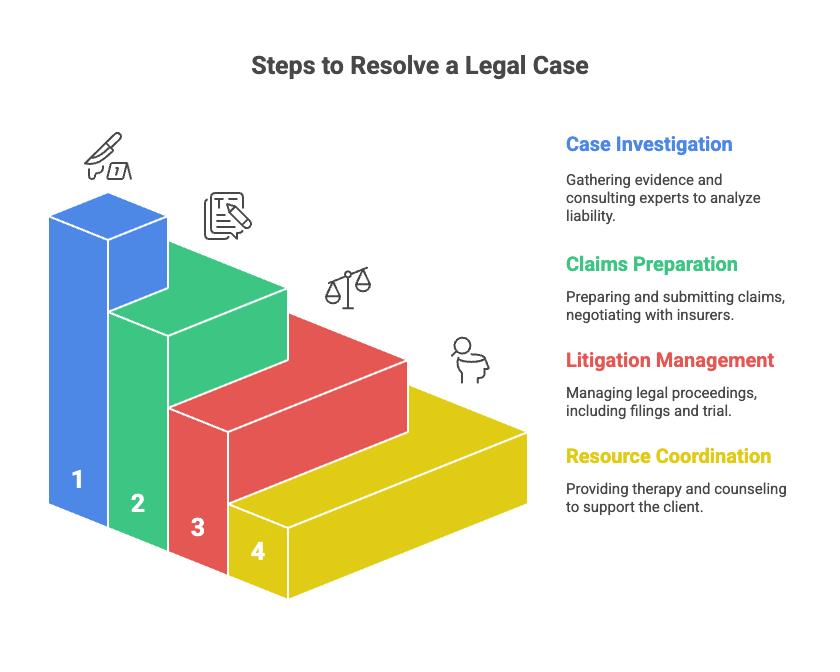
- Case investigation, expert consultations, and liability analysis
- Claims preparation, demand letters, and insurer negotiations
- Litigation management, from filings through trial, when necessary
- Resource coordination, including therapy access and parental counseling
Long Term Effects of Erb’s Palsy Injuries
As we assess the long-term effects of Erb’s palsy, we must address how persistent muscle weakness can lead to atrophy and functional limitations that change daily activities over time.
We also consider chronic pain management, which often requires coordinated therapies, medication strategies, and adaptive tools to maintain quality of life.
Finally, we examine the developmental and psychosocial impact, including delayed milestones, reduced participation in sports or school tasks, and emotional challenges that call for early intervention and sustained support.
Muscle Weakness and Atrophy
Confront the reality that muscle weakness and atrophy can persist long after an Erb’s palsy injury, shaping how a child grows, moves, and functions. We recognize that delayed muscle reinnervation can limit recovery, leaving certain muscle groups underpowered and more prone to fatigue. When nerves heal unevenly, compensatory patterns emerge, which may further weaken the shoulder and elbow, and restrict range of motion over time.
We also consider sensory deficits that disrupt feedback needed for precise control, increasing the risk of disuse and progressive atrophy. Targeted therapy, bracing, and monitored exercise can preserve strength, maintain joint alignment, and prevent contractures. Surgical evaluation may be warranted to optimize function when conservative measures plateau. Collectively, we prioritize early intervention and long-term oversight, aligning resources to protect independence and mobility.
Chronic Pain Management
Managing chronic pain after an Erb’s palsy injury demands a structured, evidence-based plan that addresses both neuropathic and musculoskeletal sources.
We begin by documenting pain patterns, triggers, and functional limits, then align interventions with measurable goals. A multidisciplinary approach proves most effective.
We coordinate physical therapy to optimize scapular stability, posture, and graded loading, while employing desensitization for neuropathic symptoms.
We incorporate pain psychology to teach pacing, relaxation, and cognitive strategies that reduce pain amplification.
We evaluate medication alternatives when standard analgesics underperform or cause adverse effects, discussing topical agents, nerve-modulating therapies, and interventional options with treating clinicians.
We also monitor sleep, inflammation, and ergonomics to prevent flare cycles.
Throughout, we maintain continuity of care, clear communication, and careful outcome tracking to sustain long-term function and dignity.
Developmental and Psychosocial Impact
Pain control lays the groundwork for daily function, but long-term well-being also hinges on how Erb’s palsy shapes growth, learning, and social experience.
We consider motor limitations that can slow milestones, influence classroom participation, and affect peer relationships. Targeted therapy supports child development, yet consistent school accommodations, adaptive equipment, and coaching in self-advocacy are equally essential. We also address self-esteem, anxiety, and social withdrawal, intervening early with counseling and structured peer engagement.
Families carry this impact daily. Effective family adjustment requires coordinated care plans, caregiver training, and respite support. We guide you in documenting needs, securing services, and pursuing resources that sustain stability.
When negligence caused the injury, we pursue compensation to fund therapies, educational supports, and long-term care, safeguarding durable development.
Proving Liability in Erb’s Palsy Medical Malpractice Injury Cases
Establishing liability in an Erb’s palsy case requires a disciplined showing that a provider’s actions fell below the accepted standard of obstetric care and directly caused a brachial plexus injury.
We begin by gathering delivery records, fetal monitoring strips, and provider notes, then reconstruct the timeline of decision-making and maneuvers used during shoulder dystocia or prolonged labor.
We anchor the case to the standard of care, identifying where safer alternatives were available but not chosen.
Proving medical causation demands precise analysis.
We consult obstetric, pediatric neurology, and maternal-fetal medicine experts to explain how excessive lateral traction, delayed cesarean delivery, or improper maneuver sequencing produced the injury.
Their expert testimony links the breach to the outcome, rebuts claims of unavoidable injury, and clarifies why non-negligent forces wouldn’t cause the same pattern.
We also obtain witness statements, analyze risk factors, and preserve physical evidence.
Collectively, these steps establish breach, causation, and fault with clarity and rigor.
Compensation for Erb’s Palsy Damages
With liability and causation established, we turn to securing full and fair compensation that reflects the child’s needs today and over a lifetime. We evaluate medical expenses, therapy, adaptive equipment, home modifications, and specialized schooling, ensuring nothing vital is overlooked. We also pursue wage-loss claims for parents who must reduce work to provide care, and future earning capacity losses the child may face as an adult.
We build a life-care plan that quantifies long term compensation, supported by pediatric neurologists, rehabilitation experts, and economists. This plan anchors negotiations and, if needed, trial presentation. Beyond tangible costs, we rigorously document non economic damages, including pain, emotional distress, loss of normal childhood activities, and diminished quality of life.
We substantiate each category with records, expert opinions, and credible testimony. Our goal is a settlement structure that funds immediate interventions and protects lifetime needs, whether through a lump sum, a structured annuity, or a trust tailored to the child’s best interests.
The Statute of Limitations for Erb’s Palsy Injury Cases
Although every state sets its own deadlines, the statute of limitations for Erb’s palsy and birth injury claims is strict and often shorter than families expect. We must act promptly because missing a deadline can forfeit a child’s right to recovery. Crucial statute nuances include tolling for minors, discovery rules when injuries aren’t immediately apparent, and special notice requirements for claims against public hospitals.
We evaluate when the clock starts, which may be at birth, at diagnosis, or upon reasonable discovery of negligence. Some jurisdictions pause the clock during infancy, yet others impose hard caps that cut off claims regardless of age. Filing deadlines can also differ between medical negligence, informed consent, and product-related claims.
We gather records quickly, track every applicable period, and preserve evidence before it’s lost. By calendaring all statutory milestones, including pre-suit notices and affidavits, we protect your claim and position your family to pursue relief without procedural risk.
Why You Need an Experienced Erb’s Palsy Injury Lawyer
Because Erb’s palsy cases turn on elaborate medical proof and unforgiving procedural rules, an experienced lawyer becomes essential to protect your child’s rights and maximize recovery.
We grasp how birth trauma can arise in the delivery room, and we recognize how to connect those events to medical negligence using authoritative evidence. We marshal records, consult leading experts, and translate complicated findings into clear, persuasive claims.
We also anticipate defenses, preserve pivotal deadlines, and steer insurers who minimize responsibility. By building a thorough damage picture, we account for surgeries, therapy, adaptive equipment, and long‑term care. We present the full impact on your child’s function and future, ensuring no category of loss is ignored.
Our role extends beyond litigation strategy. We coordinate with medical providers, document progress, and protect benefits that support your child’s rehabilitation. With focused advocacy and disciplined case management, we position your family to secure accountability and the resources necessary for sustained healing.
How to Choose the Right Erb’s Palsy Injury Lawyer for Your Case
Start by zeroing in on experience that directly aligns with brachial plexus birth injury litigation. We should verify a proven record of Erb’s palsy results, trial readiness, and mastery of medical standards of care. Ask for case examples, outcome metrics, and references. We then assess resources, including access to pediatric neurology experts, life care planners, and economists who can substantiate damages.
We must also weigh communication and values. The right lawyer explains options clearly, supports parental decision-making, and sets realistic timelines. Transparent fees, written scopes, and frequent updates are vital. During consultations, evaluate how counsel handles insurance negotiation, preserves evidence, and anticipates defenses.
Prioritize counsel who communicates clearly, sets realistic timelines, and transparently manages fees, evidence, negotiations, and defenses.
Jurisdictional knowledge matters, so we confirm familiarity with local courts and procedural deadlines.
Ultimately, we seek a collaborative approach to settlement strategy and trial preparation. When a firm combines focused know-how, disciplined process, and service-minded advocacy, we gain a trustworthy partner to safeguard our child’s future.
About the Law Offices of Anidjar and Levine
While every family’s needs are unique, the Law Offices of Anidjar and Levine offers a disciplined, client-focused approach to Erb’s palsy and brachial plexus birth injury cases. We pair meticulous investigation with compassionate advocacy, ensuring your child’s needs guide every legal decision. Our team coordinates medical reviews, preserves evidence, and builds clear, fact-driven claims that honor your family’s goals.
Grounded in a strong firm history, we’ve developed procedures that prioritize responsiveness, consistent communication, and strategic case planning. We keep you informed at each milestone, explain options without jargon, and act swiftly to protect deadlines and preserve your rights. Our client testimonials reflect our commitment to service, accountability, and results.
We value collaboration with pediatric experts and life care planners, aligning legal strategy with long-term care needs. From early consultation to resolution, we pursue full and fair compensation with diligence and integrity, so you can focus on your child’s recovery and future.

Frequently Asked Questions
Can We Pursue a Claim if Erb’s Palsy Was Diagnosed Months After Birth?
Yes, we can often pursue a claim even when there’s a delayed diagnosis months after birth. We’ll evaluate when symptoms were discoverable and how that timing affects the statute limitations in your jurisdiction. We’ll gather records, consult experts, and assess causation and damages, ensuring deadlines aren’t missed.
Let’s document therapy needs, projected care, and family impact, then proceed promptly. Early action preserves evidence, strengthens credibility, and protects the child’s long‑term support.
Do We Need Medical Expert Opinions Before Contacting a Lawyer?
No, we don’t need medical expert opinions before contacting a lawyer. We should gather available medical records and a clear timeline, then seek counsel promptly.
A lawyer can evaluate viability, preserve deadlines, and secure needed expert testimony later. Early consultation helps identify which authorities to retain, what records to subpoena, and how to frame causation and standards of care.
Acting now safeguards evidence, strengthens our position, and guarantees a disciplined, service‑oriented approach to advocacy.
How Do Contingency Fees Work in Erb’s Palsy Cases?
Contingency fees mean we pay nothing upfront; counsel advances costs and gets paid only if we recover.
The contingency structure typically sets a fee percentage of 33% to 40%, sometimes tiered if the case proceeds to litigation or trial.
We’ll receive a written agreement detailing the fee percentage, case expenses, and how costs are deducted from the settlement or verdict.
We’ll ask for transparent accounting, ensuring resources prioritize the child’s long-term care and support.
Will Pursuing a Claim Affect Our Child’s Ongoing Medical Care?
No, pursuing a claim shouldn’t interrupt your child’s ongoing treatment or insurance coverage. We coordinate legal steps so medical appointments, therapies, and prescriptions proceed without delay.
We’ll work with providers to make certain billing continues through existing insurance, and, when appropriate, arrange liens so care isn’t deferred.
We also safeguard medical records and expert evaluations, aligning them with your child’s care plan. Our priority remains uninterrupted care while we pursue accountability and resources.
Can We File a Claim if We Moved States After the Birth?
Yes, we can still file a claim after moving states. Typically, we file in the state where the injury occurred, but we assess venue options and any possible jurisdiction transfer.
We’ll analyze the statute of limitations in both states, tolling rules, and where defendants reside. We coordinate records, identify proper parties, and secure expert support.
Let’s review timelines immediately, preserve evidence, and make certain the filing aligns with the most favorable and legally sound forum.
————
We’re committed to guiding you through every stage of an Erb’s palsy claim with precision, care, and unwavering advocacy. Our team investigates the cause, preserves crucial evidence, and pursues full compensation for medical care, therapy, and future needs.
We understand the law, the deadlines, and the strategies that win.
If you suspect negligence, don’t wait. Contact a Birth Injury Lawyer at the Law Offices of Anidjar and Levine for a confidential consultation, and let us protect your rights and your child’s future.