




If a surgeon left a foreign object inside you in Miami, you should get immediate medical evaluation, request imaging, and closely monitor fever, worsening pain, swelling, or unusual drainage.
You’ll want to preserve discharge papers, operative reports, sponge or instrument counts, photos, and all messages to protect the timeline.
A Miami foreign object left inside injury lawyer at Law Offices of Anidjar and Levine can use expert review to prove duty, breach, causation, and damages, and file within Florida’s strict deadlines—learn more at Miami Medical Malpractice Lawyer.
Main Takeaways
- Get immediate medical evaluation and imaging if you suspect a retained surgical object, especially with fever, worsening pain, drainage, or shortness of breath.
- Preserve evidence: operative reports, sponge/instrument counts, discharge papers, imaging, bills, photos, and a dated symptom journal.
- Ask the hospital to seal and label any removed objects and provide chain-of-custody documentation when available.
- A Miami lawyer can coordinate record requests and medical expert reviews to establish negligence, causation, and damages, such as additional surgery and lost wages.
- Act quickly because Florida medical malpractice claims have strict pre-suit requirements and filing deadlines that can bar recovery.

How We Can Help With Your Miami Foreign Object Left Inside Injury Claim



Because a foreign object left inside your body often points to a preventable surgical error, we can step in quickly to protect your rights and build a focused claim. You’ll receive clear guidance on what to document, how to preserve records, and how to avoid statements that insurers may misuse.
We gather operative reports, imaging, and follow-up notes, then secure opinions that connect the retained object to your added procedures, missed work, and ongoing limitations.
You can rely on our team for multilingual support so you can communicate comfortably and have your concerns accurately captured.
We also provide Appointment Coordination, helping you schedule consultations, obtain records, and align medical visits with claim deadlines.
Throughout the process, you stay informed, your choices remain central, and your recovery and service to others remain respected. If settlement talks stall, you’re prepared for decisive litigation without unnecessary delay.
Understanding Miami Foreign Object Left Inside Injury Cases
Although surgery always carries risk, a foreign object left inside your body typically signals a breakdown in basic operating-room safeguards rather than an unavoidable complication.
In Miami, these cases often fall under medical negligence because you’re entitled to expect careful counts, clear documentation, and prompt action when something goes wrong.
You may notice persistent pain, swelling, fever, unusual drainage, or delayed recovery, yet symptoms can mimic normal recovery, creating real Diagnosis Challenges.
You serve yourself and others best by documenting timelines, saving discharge instructions, and requesting complete records, including operative notes and imaging reports.
You should also seek an independent evaluation when concerns persist, since early detection can limit harm and reduce further procedures.
Strong patient education is essential, so you’ll want clear explanations of findings, treatment options, and follow-up steps, enabling you to make informed decisions and protect your health with purpose and accountability.

Common Causes of Miami Foreign Object Left Inside Injuries
When a foreign object is left inside you after surgery, it often results from preventable breakdowns in operating room procedures.
You may face harm from retained surgical sponges, forgotten surgical instruments, or broken device fragments that remain in your body after the procedure ends.
In many cases, poor surgical counts and inadequate verification steps allow these items to go unnoticed until complications arise.
Retained Surgical Sponges
A retained surgical sponge remains one of the most common foreign objects left inside patients after surgery, and it can cause serious, preventable complications.
You can experience infection, abscess, internal scarring, or bowel obstruction, and symptoms may appear days or months later. When you serve others by advocating for safer care, you help reinforce practices that prevent these events, including consistent counts, barcoded sponges, and detection technology.
You should document new pain, fever, swelling, drainage, or unexplained fatigue, then request prompt imaging and a clear explanation of findings. You are also entitled to transparent disclosure and a timely plan for removal and follow-up.
| Risk factor | Prevention focus |
|---|---|
| Emergency surgery | Structured count pauses |
| High blood loss | Standardized sponge tracking |
| Long procedures | Team communication checks |
| Multiple teams | Single accountable lead |
| Patient factors | Post-op monitoring |
Forgotten Surgical Instruments
Because operating rooms move quickly and teams often change hands mid-procedure, surgical instruments can be forgotten inside your body despite established safety checks.
When counts are rushed or communicated poorly, a retractor, clamp, or other tool may remain after closure, and you may not learn about it until pain, swelling, or infection develops.
You can face added risk when Instrument corrosion dulls markings or alters a tool’s appearance, making identification harder during tracking and cleanup.
Labeling errors also matter, since misread tags, incorrect tray lists, or mismatched documentation can cause staff to believe an instrument was returned when it was not.
If this happens, you can seek prompt evaluation, preserve records, and advocate for safer practices that protect future patients and support the care team’s duty to serve.
Broken Device Fragments
Forgotten tools aren’t the only foreign objects that can remain after surgery; broken device fragments also cause serious, hard-to-detect injuries. When a catheter, clamp, guidewire, or implant component snaps, small pieces may separate and stay behind without immediate symptoms.


You may experience ongoing inflammation, infection, bleeding, or nerve irritation, and imaging may miss small hardware debris until your condition worsens. Some failures arise from heavy use during a complicated procedure, while others trace back to manufacturing defects that weaken materials or joints.
If you serve others, you understand how quickly pain can limit your ability to care, work, and volunteer. You can protect your health by documenting symptoms, requesting records and device information, and seeking a prompt evaluation when recovery stalls.
Poor Surgical Counts
Even when a surgical team follows standard protocols, poor surgical counts can let sponges, needles, or small instruments remain inside your body after an operation. When staff members rush, shift changes occur, or multiple trays circulate, the count can drift from reality, and no one confirms each item’s location before closure.


Chart discrepancies may compound the problem, because documentation can show a correct count even when the physical count was incomplete or misread. Operating room distractions, such as urgent conversations, alarms, or unexpected bleeding, can divert attention at the exact moment the team should pause to reconcile the count.
You can help by asking how counts are verified and recorded, and by requesting clear postoperative explanations that support safe follow-up care.
Legal Rights of Miami Foreign Object Left Inside Injury Victims
When a surgeon or hospital leaves a foreign object inside your body, Florida law can give you clear legal options to pursue accountability and compensation.
Florida law may offer clear paths to accountability and compensation when a surgeon or hospital leaves a foreign object inside you.
You can seek recovery for added medical care, lost income, and pain, while also protecting your ability to serve your family and community.
If Consent violations occurred, such as procedures beyond what you authorized, you may have additional grounds to hold providers responsible, even when records appear incomplete or inconsistent.
You can also challenge Insurance denials that unfairly shift costs onto you, especially when the injury traces back to preventable negligence.
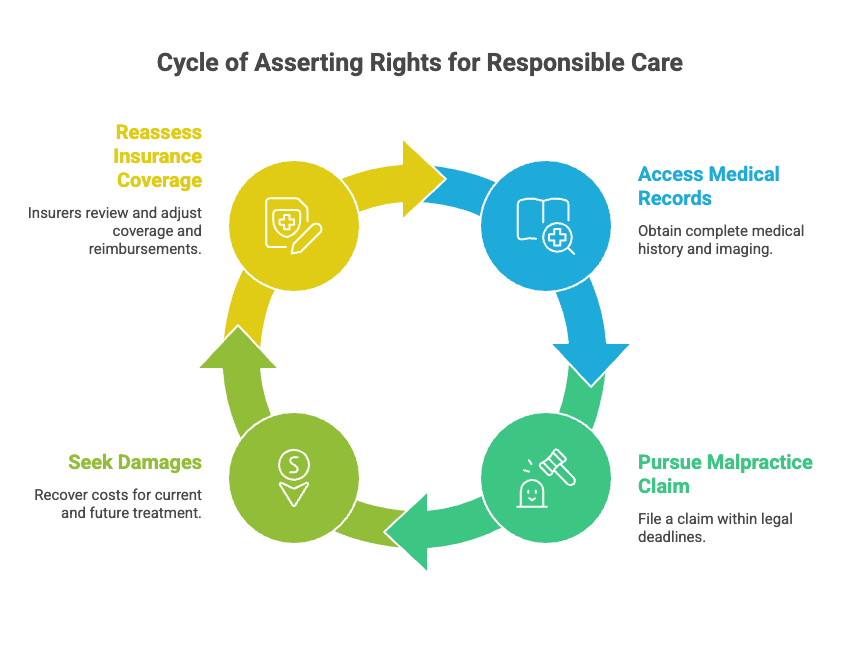
Picture the rights you may assert, and how each supports responsible care for others:
- Demand full access to your medical records and imaging.
- Pursue a malpractice claim within Florida’s deadlines.
- Seek damages for current and future treatment needs.
- Require insurers to reassess coverage and reimbursements.
A qualified advocate can help you present clear evidence and avoid unfair blame-shifting.
Steps to Take After a Miami Foreign Object Left Inside Injury
If you suspect a foreign object was left inside you after a procedure in Miami, you should seek immediate medical evaluation to confirm the issue and reduce the risk of infection or complications.
You should also preserve evidence and records, including discharge papers, imaging results, photographs, and a written timeline of symptoms and follow-up care.
As soon as your health is stabilized, you should consult a Miami attorney who can assess liability, protect your rights, and guide you through the next steps.
Seek Immediate Medical Evaluation
Because complications can progress quickly after a foreign object is left inside your body, you should seek immediate medical evaluation and request a thorough assessment.
Tell the clinician what procedure you had, when it occurred, and what you’re feeling, so they can act without delay.
Prioritize symptom recognition by noting fever, increasing pain, swelling, drainage, nausea, weakness, or shortness of breath, and report any sudden changes immediately.
For facility selection, choose an emergency department or surgical team with appropriate imaging and on-call consultants, especially if you have severe pain, heavy bleeding, or signs of infection.
Follow medical instructions carefully, attend recommended follow-ups, and ask clear questions, so you can protect your health and remain ready to serve others.
Preserve Evidence And Records
After you’ve gotten medical care and stabilized your condition, start protecting the proof that shows what happened and how it affected you.
Gather discharge papers, operative reports, imaging results, and itemized bills, then store copies in a secure folder and a backed-up digital drive for reliable Document preservation.
Keep a dated journal describing symptoms, limitations, and follow-up visits, since daily details often fade and can later support accurate timelines.
Save photos of incisions, bandages, and visible complications, and record names and roles of each provider involved.
Preserve emails, portal messages, and voicemail records, and don’t edit screenshots or metadata, because Digital forensics can verify authenticity.
If the facility offers the removed object, request that it be sealed and labeled, and retain the chain-of-custody documentation.
Consult A Miami Attorney
When should you bring a Miami attorney into the process of a foreign-object injury claim?
You should do it as soon as you suspect a retained item, or once you’ve confirmed it through follow-up care, because early counsel helps protect patients and preserves your options.
You’ll receive guidance on reporting the event, securing medical records, and avoiding statements that can weaken your case.
An attorney can also coordinate expert reviews, calculate damages, and pursue accountability to support safer care for others.
If language access matters, ask about multilingual services so you can communicate clearly and make informed decisions.
If you’re recovering or homebound, request virtual consultations to act quickly without added strain.

How a Miami Foreign Object Left Inside Injury Lawyer Can Help You
If a surgical team leaves a sponge, instrument, or other object inside your body, a Miami foreign object left inside injury lawyer can step in quickly to protect your rights and put your claim on solid ground.
When a sponge or instrument is left behind, a Miami foreign-object injury lawyer can act fast to secure your claim.
You’ll benefit from steady client communication and clear fee transparency, so you can focus on recovery while your counsel serves your family’s interests and your community responsibilities.
- You gather hospital records, imaging, and operative notes, like assembling a complete chart before a pivotal shift.
- You consult qualified medical reviewers to confirm where standards were broken, and you document the preventable error.
- You calculate damages methodically, then draft a demand that reads like a clear mission plan, not a complaint.
- You negotiate firmly with insurers and providers and, if needed, file suit on time, meeting every deadline.

You’ll move forward with structure, accountability, and a process designed to honor the care you merited from the start.
Long-Term Effects of Miami Foreign Object Left Inside Injuries
When a foreign object is left inside you, you can face long-term complications that persist well beyond the initial procedure, affecting your health and daily function.
You may develop chronic pain and inflammation, and you can also suffer infections that spread or cause lasting organ damage if they aren’t promptly identified and treated.
You can further experience psychological trauma and anxiety, especially when ongoing symptoms and uncertainty interfere with work, relationships, and your sense of safety in medical care.
Chronic Pain And Inflammation
Living with a foreign object left inside your body can lead to chronic pain and persistent inflammation that doesn’t resolve after the initial procedure.
You may notice aching, sharp flares, or burning sensations that worsen with movement, fatigue, or stress.
These symptoms can reflect Neuropathic mechanisms, in which irritated nerves continue to send pain signals even after the tissue appears to have healed. Ongoing inflammation may also limit the range of motion, disrupt sleep, and reduce your ability to care for others consistently and safely.
You can support recovery by documenting patterns, following a structured plan, and seeking coordinated care that respects your daily responsibilities.
Targeted Rehabilitation strategies, including graded activity, gentle strengthening, and mobility work, may reduce sensitivity and restore function.
When pain persists, you should pursue a thorough evaluation to identify contributing factors and protect your long-term health.
Infection And Organ Damage
Although your incision may appear sealed, a retained surgical item can still introduce bacteria, trigger an abscess, or seed a deep infection that spreads beyond the original site. When infection lingers, you may face tissue death, impaired wound recovery, and bloodstream invasion that threatens the kidneys, liver, lungs, or heart.
Prompt cultures, targeted antibiotics, and source control reduce antibiotic resistance and support sepsis prevention, protecting you so you can keep serving others with steadiness.
| Warning sign | Why it matters |
|---|---|
| Fever, chills | Possible systemic infection |
| Rising pain, redness | Expanding abscess risk |
| Confusion, low blood pressure | Early sepsis indicator |
If symptoms escalate, you should seek urgent evaluation, because delayed care increases organ damage and may require additional surgery and prolonged hospitalization.
Psychological Trauma And Anxiety
Physical recovery after an infection doesn’t always end the harm, because a retained surgical object can also leave lasting psychological effects.
You may replay the procedure in your mind, doubt medical settings, or feel betrayed by systems you once trusted.
These reactions can surface as insomnia, irritability, or persistent worry that disrupts work and service to others.
You might notice Anxiety triggers during routine appointments, the smell of antiseptic, or even minor abdominal discomfort that recalls the original event.
Building Trauma resilience often requires structured support, such as counseling, grounding techniques, and a clear follow-up plan that restores a sense of control.
You can also document symptoms, communicate your limits to your care team, and rely on trusted community support so your recovery protects both your health and your capacity to help.

Proving Liability in Miami Foreign Object Left Inside Medical Malpractice Injury Cases
When a surgical team leaves a foreign object inside your body, proving liability in a Miami medical malpractice claim often turns on clear documentation and a disciplined legal theory.
You’ll help your case by securing operative reports, sponge and instrument counts, imaging studies, and follow-up notes that show what happened and when it was discovered.
Your lawyer will focus on four elements: duty, a duty breach, causation, and damages, while keeping the presentation clear for a jury.
In many foreign-object cases, the facts support negligence under a res ipsa loquitur approach, because such errors typically don’t occur without a lapse in reasonable care.
You can strengthen causation proof by linking symptoms, infections, or repeated procedures to the retained item through treating physicians’ records and qualified expert opinions.
You’ll also want to preserve evidence promptly, request the hospital’s policies, and document all communications to support accountability and safer care for others.
Compensation for Miami Foreign Object Left Inside Damages
Because a retained surgical item often triggers a cascade of follow-up care, your compensation in a Miami foreign object left inside case should reflect both the immediate harm and the long-term consequences. You can seek damages that restore your health, protect your household, and help you continue serving others without avoidable burdens.
Your claim should also account for the disruption to your mission-focused work, including time lost and reduced capacity to contribute.
| Loss Category | What You Document | Why It Matters |
|---|---|---|
| Medical costs | revision surgery, imaging, rehab | supports economic valuation |
| Income impact | missed shifts, reduced duties | shows measurable loss |
| Human impact | pain, anxiety, loss of enjoyment | captures daily limitations |
During insurance negotiation, you’ll strengthen leverage by organizing records, linking each expense to the retained object, and projecting future needs with credible medical opinions. You should also include out-of-pocket support costs, such as caregiving and transportation, since they often grow quietly over time.
The Statute of Limitations for Miami Foreign Object Left Inside Injury Cases
Although a retained surgical item may stay hidden for months or even years, you still have a limited window to file a Miami foreign object left inside injury claim. Florida’s medical malpractice deadlines can be strict, so you should treat any new symptoms, imaging results, or corrective procedures as a prompt to act.
When the object isn’t reasonably discoverable right away, the Discovery Rule may allow the clock to start when you knew, or should’ve known, that a foreign item remained and caused harm. Still, you must document the date of discovery, preserve records, and track every medical visit, because delays can undermine your ability to serve your family and community with stability.
Certain Tolling Exceptions may pause or extend the deadline in limited situations, such as fraud, concealment, or legal incapacity. Because timelines vary by facts, you should confirm the applicable filing date as early as possible.
Why You Need an Experienced Miami Foreign Object Left Inside Injury Lawyer
Even if your symptoms seem manageable at first, a foreign object left inside your body can trigger escalating complications and a fast-moving legal process that you can’t afford to misjudge.
You need an experienced Miami lawyer who can act quickly, preserve evidence, and coordinate your medical documentation before records change or memories fade.
With Local Knowledge, you benefit from counsel who understands Miami hospitals, customary procedures, and how local insurers and defense firms evaluate these claims.
You also need Resource Access to support your service-minded goal of holding providers accountable and protecting future patients.
An experienced lawyer can retain qualified medical experts, obtain operative reports and imaging, and identify breakdowns in the surgical count, sterilization, or supervision.
You’ll also receive disciplined case management, including calculating damages, addressing liens, and communicating with your care team so treatment decisions remain focused on recovery, not paperwork.
How to Choose the Right Miami Foreign Object Left Inside Injury Lawyer for Your Case
Selecting the right Miami foreign object left inside injury lawyer determines how quickly your claim moves, how well evidence gets preserved, and how firmly the medical record supports what happened in the operating room.
You should look for a lawyer who regularly handles retained-surgical-item cases, understands hospital protocols, and moves fast to secure chart audits, imaging, and chain-of-custody documentation.
You’ll want clear communication and a service-minded approach, because your case may also involve protecting others from similar harm. Review client testimonials for consistent reports of responsiveness, disciplined preparation, and respectful treatment.
Ask direct questions about how the lawyer works with medical experts, identifies liable parties, and prepares for trial if settlement efforts fail. Finally, insist on fee transparency in writing, including contingency terms, litigation costs, and how medical record expenses are handled, so you can commit with confidence and focus on recovery.
About the Law Offices of Anidjar and Levine
Experience matters when a foreign object injury turns your recovery into a legal fight, and the Law Offices of Anidjar and Levine positions its practice to respond quickly and deliberately.
You work with a team that prioritizes prompt communication, careful case review, and decisive next steps, so you can focus on recovery while your claim moves forward.
A responsive team reviews your case carefully and acts decisively, keeping your claim moving while you focus on recovery.
You’ll receive guidance on medical records, liability evidence, and damage calculations, and you won’t be left guessing about timelines or expectations.
You also align with a firm that values service beyond the courtroom, as demonstrated by ongoing community involvement and practical support for clients during difficult transitions.
As you evaluate representation, consider the firm’s milestones, which reflect sustained growth, increased resources, and a consistent commitment to client care.
You’re not just hiring counsel, you’re partnering with advocates who prepare thoroughly, negotiate firmly, and litigate when necessary to protect your interests.

Frequently Asked Questions
What Hospital Records Should I Request to Confirm a Retained Surgical Object?
Request the complete operative report, including sponge and instrument counts, implant logs, and closure notes.
Ask for all radiology images and the written radiology reports, especially any post-operative X-rays or CT scans.
Obtain anesthesia records, nursing notes, circulation sheets, and postoperative progress notes that document pain, fever, or unexpected findings.
You should also request pathology reports, discharge summaries, and any incident reports, since they can confirm timelines and corrective actions.
Can I File a Complaint With the Florida Medical Boards After My Surgery?
Yes, you can file a complaint with Florida’s medical boards after your surgery, and you should do it promptly.
You’ll follow the Complaint Process by submitting a written report, supporting records, and a clear timeline of events.
The board reviews safety concerns to protect future patients and may then investigate and impose Licensing Sanctions if violations are confirmed.
You can also request updates and cooperate fully if investigators contact you.
Will My Immigration Status Affect Pursuing a Malpractice Claim in Miami?
Your immigration status usually won’t prevent you from pursuing a malpractice claim in Miami, and you can often proceed without disclosing unnecessary details.
You should ask counsel about immigration protections and how to minimize deportation risks during records requests, discovery, and testimony.
You can serve your family and community by asserting your rights responsibly, maintaining organized documentation, and avoiding false statements.
You should also discuss confidentiality options and safe communication plans.
Are There Expert Witnesses Who Specialize in Retained-Sponge Surgical Errors?
Yes, you can retain expert witnesses who focus on retained sponge surgical errors, and you’ll often rely on a coordinated team.
You may use surgeons and operating-room nursing experts to address standard protocols, while radiology experts interpret imaging that reveals retained material.
Forensic pathologists can evaluate complications, infection pathways, and causation. You’ll strengthen your effort to protect future patients by selecting experts with courtroom experience and peer-reviewed credentials.
How Do Attorney Fees and Litigation Costs Work in These Malpractice Cases?
You’ll usually pay nothing upfront because your lawyer works on contingency fees, collecting a percentage only if you recover compensation.
You still need to address litigation expenses, such as medical records, expert reviews, depositions, and filing fees, and your agreement should state whether the firm advances these costs.
You should ask how repayment works if you lose, and how costs affect the net recovery you can direct toward helping others.
—————————
When a foreign object is left inside you, you are entitled to clear answers and decisive legal action.
You can protect your rights by documenting symptoms, securing medical follow-up, and preserving all records that show what occurred.
Because these claims often involve complicated proof and strict deadlines, you shouldn’t face insurers or healthcare providers alone.
With the Law Offices of Anidjar and Levine and an experienced Miami Medical Malpractice Lawyer, you can pursue full compensation and accountability while your case is handled efficiently and professionally.


We Can Help.