



At the Law Offices of Anidjar and Levine, we protect Florida nursing home residents and their families after neglect or abuse.
We move quickly to secure medical care, document injuries, and preserve critical evidence, including charts, photos, and surveillance.
Our team investigates staffing levels, medication errors, falls, and systemic failures, then pursues compensation for medical costs, pain and suffering, and, when warranted, punitive damages.
We handle reporting, deadlines, and pre-suit requirements, coordinate qualified experts, and guide you through insurance and litigation.
We clearly explain your statutes, rights, and next steps, and outline how we build strong claims.
Learn more about related representation here: Medical Malpractice Injury Lawyer.
Key Takeaways
- Experienced Florida counsel handles intake, preserves evidence, and coordinates urgent medical evaluations for nursing home injury cases.
- They investigate staffing, policies, charts, and incident reports to prove negligence under Florida and federal standards.
- Immediate steps include reporting to AHCA and law enforcement when appropriate, and securing surveillance, call-light, and medication records.
- Lawyers calculate damages, manage insurers and liens, and prepare trial‑ready claims while pursuing fair settlements.
- Choose a firm with proven nursing home results, medical experts, transparent fees, responsive updates, and strong elder‑respect references.
How We Can Help With Your Florida Nursing Home Negligence Injury Claim
Although every case is unique, we begin by listening closely to your concerns, reviewing medical records, and evaluating the facility’s compliance with Florida nursing home standards. We map the facts against applicable duties, timelines, and damages, then explain your options with clear next steps.
Dig deeper into our in-depth case study: A Strategic Approach to Florida Nursing Home Negligence Claims
We coordinate with your care team, gather witness statements, and preserve vital evidence to protect your loved one’s rights.



We guide you through insurance communications, lien issues, and benefits coordination, reducing burdens that distract from caregiving. We organize family meetings to align goals, discuss expectations, and guarantee decisions reflect your loved one’s needs and values.
We also address financial planning considerations tied to medical costs, long-term care, and potential recoveries, integrating these factors into a thorough legal strategy.
Throughout the claim, we prepare meticulously for negotiation and trial, manage deadlines, and provide transparent updates. Our goal is to achieve accountability and secure resources that support safety, dignity, and healing.
Understanding Florida Nursing Home Negligence Injury Cases
When a nursing home fails to meet its legal duties, preventable injuries follow, and Florida law provides a path to accountability. We evaluate whether the facility breached statutory and regulatory standards, and whether that breach caused harm.
This analysis centers on the resident’s rights, the adequacy of staff training, and the facility’s adherence to care plans, supervision, and documentation requirements.
We gather records, interview witnesses, and consult qualified experts to confirm the standard of care and quantify damages. Economic losses, pain and suffering, and, in severe cases, punitive damages may be available. Timelines matter, so we calculate and protect all filing deadlines.
We also prioritize resident advocacy, ensuring each voice is heard and each concern is documented and elevated.
Our approach emphasizes prevention as well as redress. By holding facilities responsible, we promote safer practices, reinforce accountability, and help families serve their loved ones with confidence and dignity.
Common Causes of Florida Nursing Home Negligence Injuries
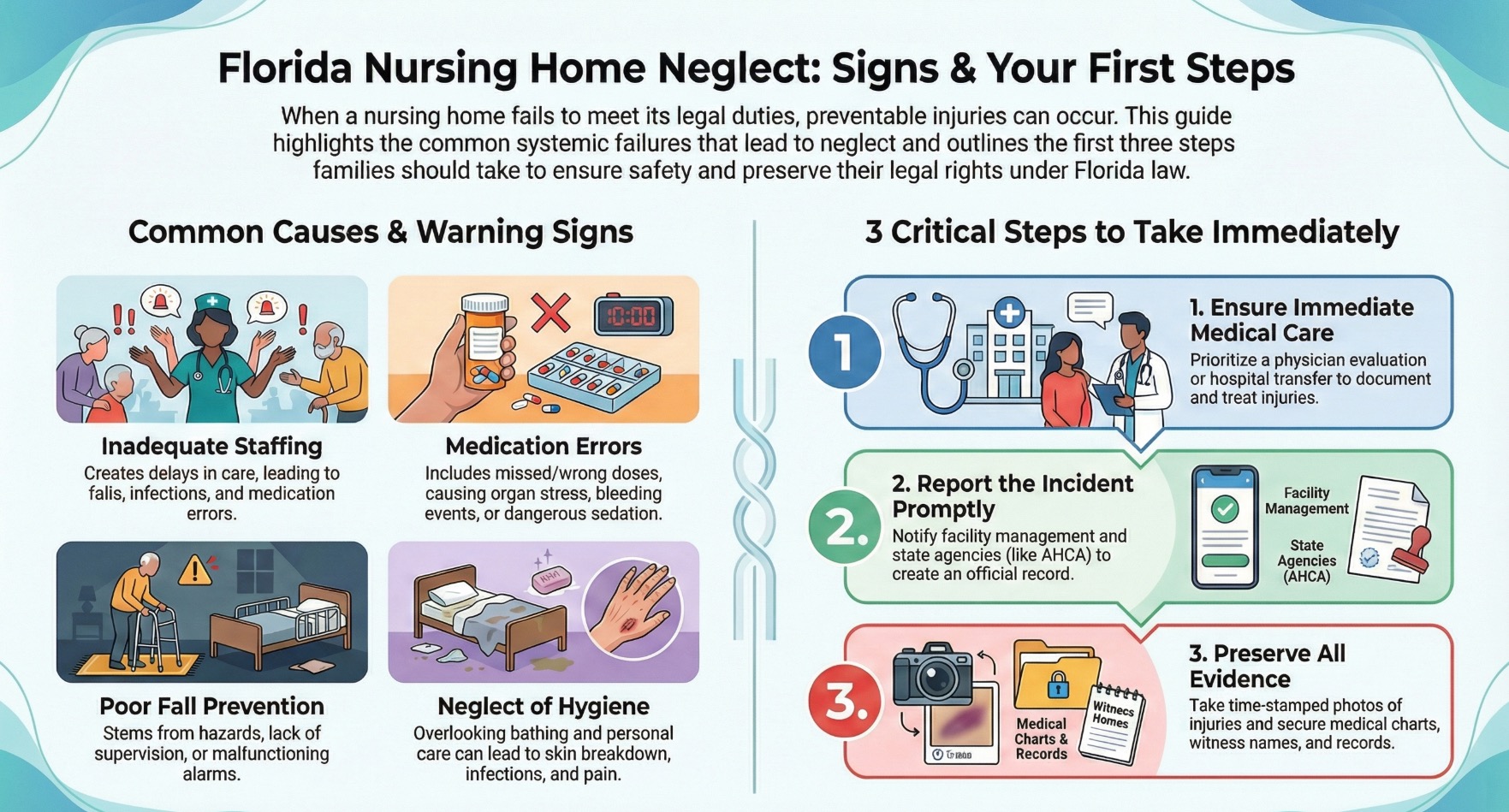
When we assess nursing home negligence in Florida, we often see patterns that point to systemic issues rather than isolated mistakes.
We’ll examine how inadequate staffing levels contribute to missed care, how medication errors cause preventable harm, and how poor fall prevention exposes residents to serious injuries.
We’ll also address neglect of hygiene, which increases infection risks and undermines residents’ health and dignity.
Inadequate Staffing Levels
Too often, inadequate staffing lies at the heart of nursing home negligence in Florida, creating conditions where residents don’t receive the timely care they need. When facilities operate with poor staff ratios, crucial tasks get delayed or missed, and vulnerable residents face heightened risks of falls, pressure injuries, dehydration, and preventable infections.
We also see overtime burnout compound these dangers, as exhausted caregivers struggle to maintain vigilance, documentation, and consistent care.
We evaluate schedules, assignments, and turnover to determine whether staffing met reasonable standards. We gather testimony, timekeeping records, and policies to show how chronic understaffing undermined safety.
Our goal is accountability and reform, so residents receive attentive, respectful care. If a loved one suffered harm tied to inadequate staffing, we’re ready to investigate, preserve evidence, and pursue justice.
Medication Errors Harm

Staffing shortfalls often open the door to another dangerous failure: medication errors that injure residents and put lives at risk. When doses are missed, doubled, or given to the wrong person, fragile patients can suffer bleeding events, organ stress, severe infections, or dangerous sedation.
We see prescription mismatches when charts are outdated, allergies are ignored, or provider orders are transcribed incorrectly. Timing errors also occur when medications with narrow windows, like insulin or anticoagulants, aren’t administered as directed.
We help families identify where the process broke down, from intake reconciliation to shift handoffs and pharmacy coordination. We obtain records, interview witnesses, and consult pharmacology experts. Our goal is simple: expose negligence, stop ongoing harm, and secure compensation that funds safer, supervised care.
Poor Fall Prevention


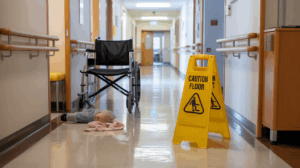
All too often, preventable falls signal systemic failures in nursing home safety. When facilities ignore individualized risk assessments, residents pay the price. We look for root causes, including uneven flooring, cluttered walkways, and inadequate lighting that obscures hazards.
We also examine missing handrails, poorly maintained wheelchairs, and malfunctioning bed or chair alarms that should alert staff before a fall occurs.
Effective prevention requires timely supervision, proper footwear, and transfer assistance tailored to each resident’s mobility and cognitive status. Staff must conduct regular rounds, respond promptly to call lights, and keep high‑risk residents within sight during changes.
We hold facilities accountable when they skip training, understaff shifts, or fail to document incidents and corrective actions. Our mission is to safeguard dignity, reduce harm, and enforce standards.
Neglect of Hygiene
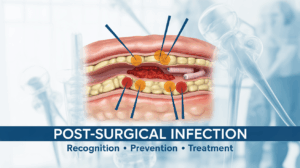
Although hygiene may seem basic, neglect in this area often signals deeper operational failures that endanger residents. When facilities overlook bathing, personal grooming, and oral care routines, vulnerable adults face infections, skin breakdown, and avoidable pain.
We recognize that dignified care depends on consistent, respectful assistance with daily hygiene, timely linen changes, and proper management of continence.
We investigate staffing levels, training records, and care plans to pinpoint where systems failed your loved one. Photographs of rashes, wound logs, and medication charts often reveal patterns of neglect. We also consult medical experts to connect lapses in hygiene to resulting injuries.
If a facility ignores repeated complaints or falsifies charts, we act decisively. Our goal is accountability, safer practices, and compensation that funds thorough recovery.
Legal Rights of Florida Nursing Home Negligence Injury Victims
While the aftermath of nursing home negligence can feel overwhelming, Florida law provides clear rights that empower injured residents and their families to seek accountability. We rely on Florida’s Nursing Home Residents’ Bill of Rights, which protects dignity, safety, medical care, and freedom from abuse.
These patient rights include timely treatment, access to records, informed consent, and the ability to voice grievances without retaliation. We also emphasize family advocacy, ensuring loved ones can participate in care decisions, request updates, and challenge unsafe practices.
Florida law empowers nursing home residents and families to demand safety, dignity, and accountability.
Residents may pursue damages for medical expenses, pain and suffering, and, when warranted, punitive awards. Facilities must preserve records, maintain staffing standards, and follow care plans; violations can trigger liability. Arbitration clauses and notice requirements may apply, yet they don’t erase core protections.
We stand firm on these rights, advancing accountability with compassion and resolve.
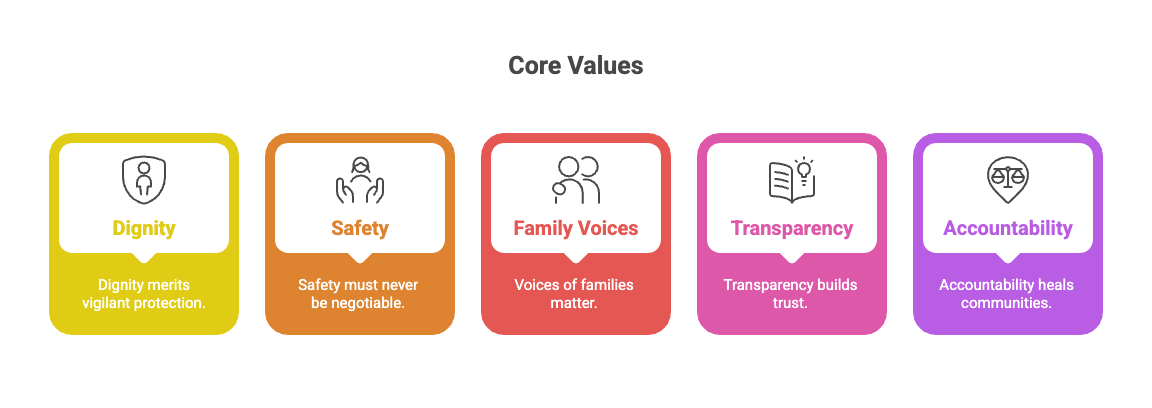
- Dignity merits vigilant protection
- Safety must never be negotiable
- Voices of families matter
- Transparency builds trust
- Accountability heals communities
Steps to Take After a Florida Nursing Home Negligence Injury
When a nursing home injury occurs, we must act quickly to guarantee immediate medical care, document the condition, and stabilize any urgent health concerns.
We then promptly report the incident to facility management and the appropriate state agencies, creating an official record that supports accountability.
Finally, we preserve evidence and records by securing photographs, medical charts, witness names, and correspondence, which strengthens the foundation for any legal action.
Ensure Immediate Medical Care
Even before we consider legal steps, we must prioritize swift, appropriate medical care to protect the resident’s health and create a clear record of the harm. We assess symptoms, request an immediate physician evaluation, and insist on diagnostic testing as indicated.
If the condition is unstable, we demand an emergency transfer to a hospital, ensuring essential signs, medications, and incident details accompany the resident.
We practice vigilant family advocacy at the bedside. We confirm medications administered, document visible injuries, and obtain copies of progress notes, orders, and lab results. We request consultant consultations when pressure injuries, fractures, sepsis, or dehydration are suspected.
We photograph injuries with timestamps, safeguard medication lists, and note any delay in care. Throughout, we keep a calm, firm presence that centers the resident’s safety and dignity.
Report Incident Promptly
Prompt reporting strengthens both safety and accountability, and we move quickly to place the facility and regulators on formal notice.
We begin with immediate staff notification, requesting the incident be entered into the facility’s internal reporting system without delay.
We then escalate to state and federal channels, including the Florida Agency for Health Care Administration and, when appropriate, law enforcement.
We insist on timely documentation of what occurred, who was present, and what actions were taken, because clear records deter future harm and support corrective measures.
We also request a written confirmation of the report, the names and titles of notified personnel, and the date and time of submission.
Preserve Evidence and Records
Although the facility may promise to investigate, we move immediately to preserve evidence and secure the record. We request copies of charts, care plans, medication logs, and incident reports, then document visible injuries with time-stamped photos and video.
We secure witness names and statements while memories remain fresh. We send preservation letters demanding that surveillance footage, call-light records, and staffing schedules be retained.
We establish a transparent chain of custody for physical items, such as bed rails, dressings, or clothing, to prevent tampering claims. For electronic files, we employ digital preservation protocols, capturing metadata, download histories, and audit trails.
We also maintain a detailed timeline of communications and treatments. These steps protect the truth, deter spoliation, and position your loved one’s case for decisive action.
How a Florida Nursing Home Negligence Injury Lawyer Can Help You
Find your way through the aftermath of suspected nursing home negligence with a team that knows how to act quickly, gather proof, and safeguard your loved one’s rights. We coordinate urgent fact-finding, conduct interviews, and secure medical evaluations that illuminate what happened and why.
We scrutinize care plans, staffing levels, and incident reports, and we evaluate compliance with state and federal standards. We also guide you through facility communications, including family meetings, and we assess visitor policies to safeguard access, advocacy, and accountability.
We manage insurer and facility correspondence, preserving your time and energy for caregiving. We calculate damages with precision, document losses, and prepare a compelling claim for settlement or trial. When negotiation falls short, we litigate decisively, keeping you informed at every step.
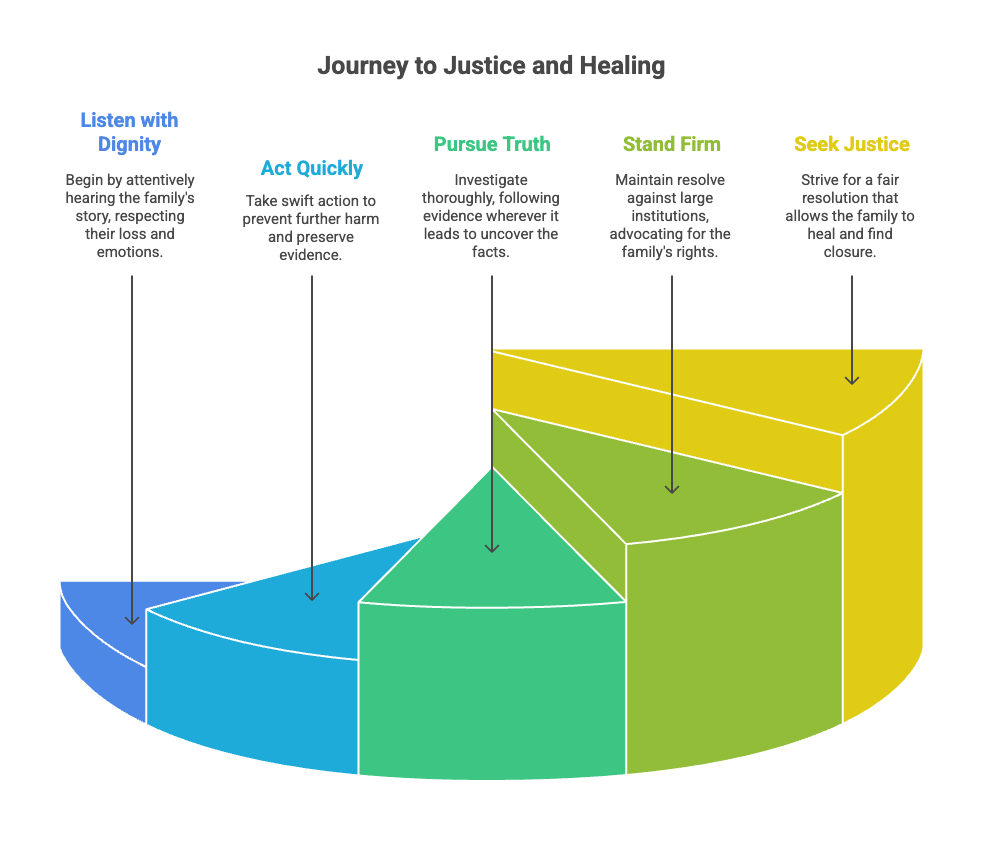
- We listen carefully, honoring your loved one’s dignity.
- We’ll do this quickly to prevent further harm.
- We pursue truth, wherever evidence leads.
- We stand firm, even against large institutions.
- We seek justice so that families can heal.
Long-Term Effects of Florida Nursing Home Negligence Injuries
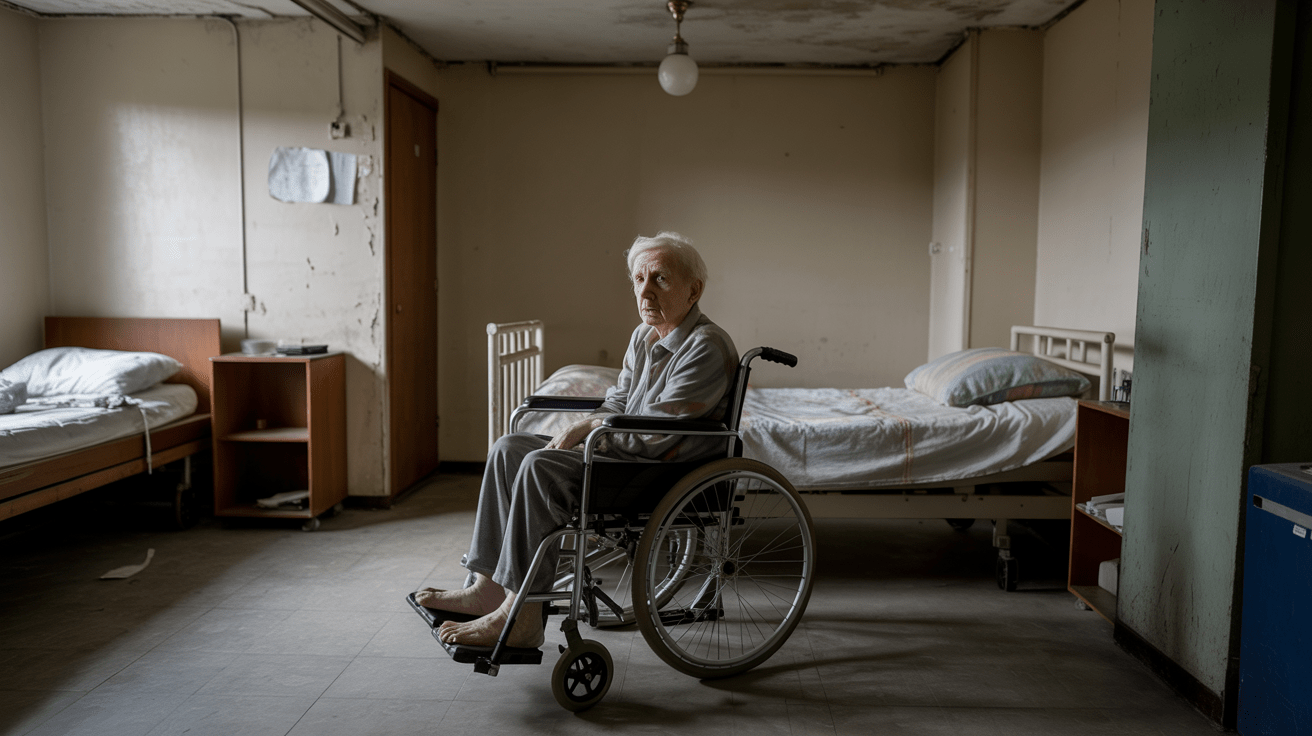
When nursing home negligence leads to harm, we must consider how chronic physical complications can persist, reduce mobility, and increase medical needs over years.
We also recognize the psychological trauma that can follow, including anxiety, depression, and PTSD that undermine confidence and daily functioning.
Taken together, these lasting injuries often create long-term financial burdens, as ongoing treatment, specialized care, and lost income strain families and resources.
Chronic Physical Complications
Confronting chronic physical complications after nursing home negligence means recognizing that the harm rarely ends with the initial injury.
We often see mobility decline from untreated fractures, pressure ulcers, or prolonged immobilization, which leads to muscle wasting and increased fall risk.
Chronic pain follows neglectful wound care or poorly managed arthritis, undermining sleep, appetite, and participation in therapy.
Recurrent infections, respiratory compromise from aspiration, and dehydration can weaken the immune system and delay healing.
Malnutrition erodes strength and bone density, elevating fracture risk.
Contractures develop when joints aren’t moved, limiting the range of motion and independence in daily tasks.
As advocates, we document these patterns with medical records, expert evaluations, and care plans, then pursue accountability and resources to stabilize health and restore function wherever possible.
Psychological Trauma and PTSD
Though physical injuries draw immediate attention, the psychological toll of nursing home negligence can be deeper and longer-lasting, often manifesting as anxiety, depression, and post-traumatic stress disorder.
We recognize how repeated neglect, humiliation, or sudden medical crises imprint the mind, creating Trauma triggers that resurface with sounds, smells, or caregiving routines. Residents may withdraw, develop sleep disturbances, or experience panic, while families struggle to interpret abrupt changes in mood and trust.
We help document symptoms, connect clients with trauma-informed clinicians, and ensure providers understand the unique vulnerabilities of older adults. PTSD in these circumstances can include flashbacks, hypervigilance, and Survivor guilt, especially when peers suffered similar harm.
Our role is to stabilize safety, preserve dignity, and build a clear record that supports treatment, accountability, and lasting recovery.
Long-Term Financial Burdens
Even after the immediate crisis fades, the financial consequences of nursing home negligence can escalate for years and destabilize a family’s plans.
We often see mounting medical costs, ongoing therapy, and adaptive equipment drain savings intended for stability.
Estate depletion becomes a real risk, as families liquidate assets to cover uncovered care, transportation, and home modifications.
Retirement disruption follows, because adult children may reduce work hours or delay retirement to provide support, losing income and benefits.
We also consider lost value from diminished life expectancy or reduced autonomy, which can affect long-term financial projections.
Insurance denials and lien claims further complicate budgets.
Our role is to document every expense, project future needs, and pursue compensation that accounts for inflation, attendant care, and the actual cost of lifelong support.
Proving Liability in Florida Nursing Home Negligence Medical Malpractice Injury Cases
Establish liability by anchoring the claim to four elements: duty, breach, causation, and damages.
We begin by defining the standard of care owed to residents under Florida law and federal regulations.
Then we identify how staff, policies, or providers deviated from that standard.
To link the deviation to the resident’s harm, we build a precise evidence chain, preserving records, time-stamped logs, medication charts, and surveillance data.
We obtain expert testimony from qualified clinicians to establish the proper standard, interpret intricate medical records, and explain how the breach produced the injury.
We also interview witnesses, review staffing ratios, and analyze prior deficiencies, demonstrating patterns that corroborate neglect or medical malpractice.
Causation must be clear, so we correlate symptom onset, orders, and interventions with documented outcomes.
Finally, we quantify damages through medical documentation and functional assessments.
Compensation for Florida Nursing Home Negligence Damages
Accountability takes shape in the form of compensation, and we pursue damages that reflect the full scope of a resident’s losses under Florida law. Our goal is to restore dignity and stability, while holding facilities to professional standards. We document every harm with precision, then build a record that supports a full and fair recovery.
Compensatory damages address tangible and intangible losses. We seek payment for medical care, hospitalization, rehabilitation, and future treatment needs. We also pursue compensation for pain and suffering, loss of enjoyment of life, disability, and disfigurement.
When families shoulder costs for relocation, assistive devices, or in-home caregivers, we present those expenses with clear evidence.
In cases involving extreme misconduct, we evaluate the suitability of punitive awards. These are designed to punish willful, reckless, or grossly negligent behavior and deter future violations. We consult experts, analyze facility policies, and expose systemic failures, ensuring the recovery reflects the harm endured and the duty owed.
The Statute of Limitations for Florida Nursing Home Negligence Injury Cases
While time can feel secondary after a serious injury, Florida’s statute of limitations makes prompt action essential in nursing home negligence cases. We must protect an elder’s rights by identifying deadlines early, gathering records promptly, and preserving evidence before it goes missing.
In most cases, claims must be filed within two years, but the precise period can vary depending on the facts and the applicable statute.
Florida’s discovery rule may extend the filing window when injuries or neglect weren’t reasonably discoverable at first. The clock can start when we knew, or should have known, of the negligence and the resulting harm.
In limited circumstances, limitation tolling may pause the deadline, such as when the resident lacks capacity or the facility conceals material facts. Pre-suit notice requirements also affect timing. We evaluate these issues immediately, calendar essential dates, and move decisively to preserve your claim and file it within the applicable statutory limits.
Why You Need an Experienced Florida Nursing Home Negligence Injury Lawyer
Because nursing home cases involve complex statutes, rigorous pre-suit procedures, and sophisticated defense strategies, you need seasoned counsel to protect the claim from the outset. We grasp the regulations governing facilities, the medical records that reveal patterns of neglect, and the expert testimony required to prove causation and damages.
Our role is to shoulder the legal burden so you can focus on your loved one’s care.
We lead with disciplined client advocacy, ensuring your voice is heard at every stage. We preserve evidence quickly, interview crucial witnesses, and coordinate with medical experts to establish standards of care.
Our tailored case strategy anticipates defense tactics, addresses arbitration clauses and immunities, and positions the matter for maximum leverage in negotiation or trial.
We also steer insurance coverage, liens, and wrongful death issues with precision. By managing deadlines and compliance, we safeguard claims from technical pitfalls and drive a results‑oriented path toward accountability and dignified compensation.
How to Choose the Right Florida Nursing Home Negligence Injury Lawyer for Your Case
Although many firms advertise elder advocacy, selecting the right Florida nursing home negligence lawyer requires focused evaluation of experience, resources, and results.
We should verify the firm’s track record in nursing home cases, asking for specific outcomes and trial history, not just general personal injury experience. We must assess investigative resources, including access to medical experts, nurse consultants, and the capacity to secure records quickly.
Client communication is decisive. We recommend confirming who handles the case day to day, how often we’ll receive updates, and whether calls and emails are returned promptly. Transparency about the fee structure matters as well. We should discuss contingency percentages, expert and deposition costs, and when expenses are deducted.
References from former clients, professional ratings, and disciplinary history also inform judgment. Finally, we should make certain the lawyer demonstrates respect for elders, a service mindset, and a strategy tailored to the facility, injuries, and family goals.
About the Law Offices of Anidjar and Levine
From our first meeting to the resolution of your claim, the Law Offices of Anidjar and Levine delivers disciplined advocacy backed by deep experience in Florida nursing home negligence.
We focus on protecting vulnerable residents, building meticulous cases, and pursuing accountability with efficiency and care.
Our team coordinates medical reviews, preserves evidence, and communicates clearly so you understand each step and your options.
We measure success by results and service.
Consistent client testimonials highlight our responsiveness, thorough preparation, and unwavering professionalism.
We maintain accessible office locations across Florida, enabling in-person consultations and timely support when families need it most.
If travel is difficult, we arrange alternative meeting formats to guarantee continuity and dignity in representation.
We prepare every case as if it will proceed to trial, yet we evaluate settlement opportunities that serve your goals.
Our attorneys, investigators, and support staff work in concert, aiming to secure compensation, promote safety, and deter future neglect.
Frequently Asked Questions
Can I Switch Nursing Homes During an Ongoing Negligence Investigation?
Yes, you can switch nursing homes during an ongoing negligence investigation. We’ll guide you in verifying legal permissions in your state, coordinating safe discharge and admission, and documenting the reasons for changing facilities.
We’ll also make certain that medical records, care plans, and medication lists transfer without interruption. We’ll notify investigators to ensure evidence preservation continues, protect resident rights, and confirm that the new facility meets care standards, staffing requirements, and safety protocols to prevent further harm and ensure continuity.
How Do I Access My Loved One’s Nursing Home Records Quickly?
We request the records in writing, cite our legal access as the resident’s agent or next of kin, and attach the HIPAA authorization or guardianship papers.
We request the complete chart, including medical records, care plans, assessments, medication administration logs, incident reports, and staffing notes.
We set a firm deadline, request electronic delivery, and offer to pay reasonable costs.
If delays occur, we escalate to the administrator, then state regulators, while preserving a detailed paper trail.
Are Arbitration Agreements in Nursing Home Contracts Enforceable in Florida?
Yes, but only if specific enforceability factors are met.
We look for explicit, voluntary consent, proper explanation, and no coercion or surprise terms.
Florida and federal consumer protections require conspicuous language, the right to revoke when applicable, and fair cost and venue provisions.
We also assess signing capacity and whether the agreement waives statutory rights.
If terms are unconscionable or misrepresented, we challenge enforcement and preserve judicial remedies.
What Signs Indicate Financial Exploitation in a Nursing Home Setting?
Financial exploitation may appear as sudden withdrawals, unexplained account transfers, or new authorized users. We watch for missing assets, unpaid bills despite available funds, altered wills or powers of attorney, and forged or coerced signatures.
We note staff or visitors isolating a resident, unsolicited financial advisors, or excessive gifts. We verify receipts for facility charges, track inventory of valuables, and review bank statements, promptly documenting irregularities and escalating concerns to administration, banks, and appropriate authorities.
Can I Install a Camera in My Loved One’s Nursing Home Room?
Yes, we can install a camera, but we must follow privacy laws, facility recording policies, and consent requirements. We should obtain written consent from the resident and from any roommate and post a clear notice as required. We must avoid audio recording where prohibited.
Wireless options offer discreet placement, secure access, and encrypted storage, yet they demand careful configuration. Let’s coordinate with administrators, document approvals, and create a monitoring plan that respects dignity and guarantees safety.
————————-
We’re ready to protect your loved one’s rights and pursue the justice and compensation your family merits.
The Law Offices of Anidjar and Levine understands Florida nursing home negligence law, builds strong evidence, and holds facilities accountable.
If you suspect neglect or abuse, contact us promptly so we can preserve proof, meet deadlines, and advocate forcefully on your behalf.
We’ll guide you through each step, communicate clearly, and fight for the best possible outcome.
Learn more about how we can help by visiting our Medical Malpractice Injury Lawyer page.
Let us stand with you and demand accountability.

We Can Help.