

If you suspect negligent staffing or chronic understaffing in a Fort Lauderdale nursing home harmed your loved one, the Law Offices of Anidjar and Levine can help you secure vital records fast, like schedules, timecards, incident reports, care plans, and call-light logs.
You’ll get help documenting injuries with photos, dates, and witness names, and linking missed care—like delayed meds, falls, or pressure sores—to staffing gaps.
You’ll also learn deadlines, reporting options, and how claims are built. To learn more about your legal options, contact a Fort Lauderdale Nursing Home Abuse and Neglect Lawyer.
Key Takeaways
- An understaffing lawyer in Fort Lauderdale investigates schedules, payroll, timecards, and incident logs to prove that care fell below required staffing levels.
- Evidence preservation is critical; counsel can quickly secure care plans, staffing audits, call-light logs, surveillance, and witness statements.
- Understaffing often leads to missed repositioning, delayed medications, unattended call lights, falls, dehydration, infections, and pressure injuries.
- Immediate steps include reporting to the charge nurse and administrator, contacting the physician, documenting changes with photos, and filing AHCA or ombudsman complaints.
- A lawyer links staffing gaps to injuries using nursing experts, handles insurer communications, and pursues compensation within Florida deadlines.
How We Can Help With Your Fort Lauderdale Nursing Home Negligent Staffing / Understaffing Claim
Take control of what happened by letting us investigate your Fort Lauderdale nursing home understaffing claim from the ground up. You’ll get a team that listens to your concerns, respects your loved one’s dignity, and moves quickly to protect others from the same harm.
We gather records, interview witnesses, and request schedules, timecards, and incident logs to see where care broke down.
You can count on us to coordinate staffing audits with qualified professionals, preserve crucial evidence, and document the real-life impact on your family. We handle communications with the facility and insurers so you don’t carry that burden alone.
You’ll also have steady guidance on next steps, deadlines, and what information to save.
When you’re driven by service, family advocacy matters. You’ll help your loved one while promoting safer care standards for every resident in the community.
Understanding Fort Lauderdale Nursing Home Negligent Staffing / Understaffing Cases
Once you’ve started gathering records and protecting evidence, it helps to understand what “negligent staffing” or “understaffing” actually means in a Fort Lauderdale nursing home case. You’re looking at whether the facility failed to provide enough qualified caregivers, at the right times, to meet residents’ basic needs safely and consistently.
It’s not just about headcounts; it’s about training, supervision, and coverage across shifts, weekends, and high-acuity units.
To evaluate your concerns, you can compare what residents needed with what the home actually delivered. Staffing audits, payroll data, schedules, and incident logs can reveal gaps between promised care and real-world staffing.
You’ll also consider how those gaps lead to harm, such as missed repositioning, delayed medications, untreated infections, or ignored call lights. Through steady family advocacy, you help spotlight patterns that can otherwise stay hidden, supporting accountability and safer care for everyone in the community.
Common Causes of Fort Lauderdale Nursing Home Negligent Staffing / Understaffings
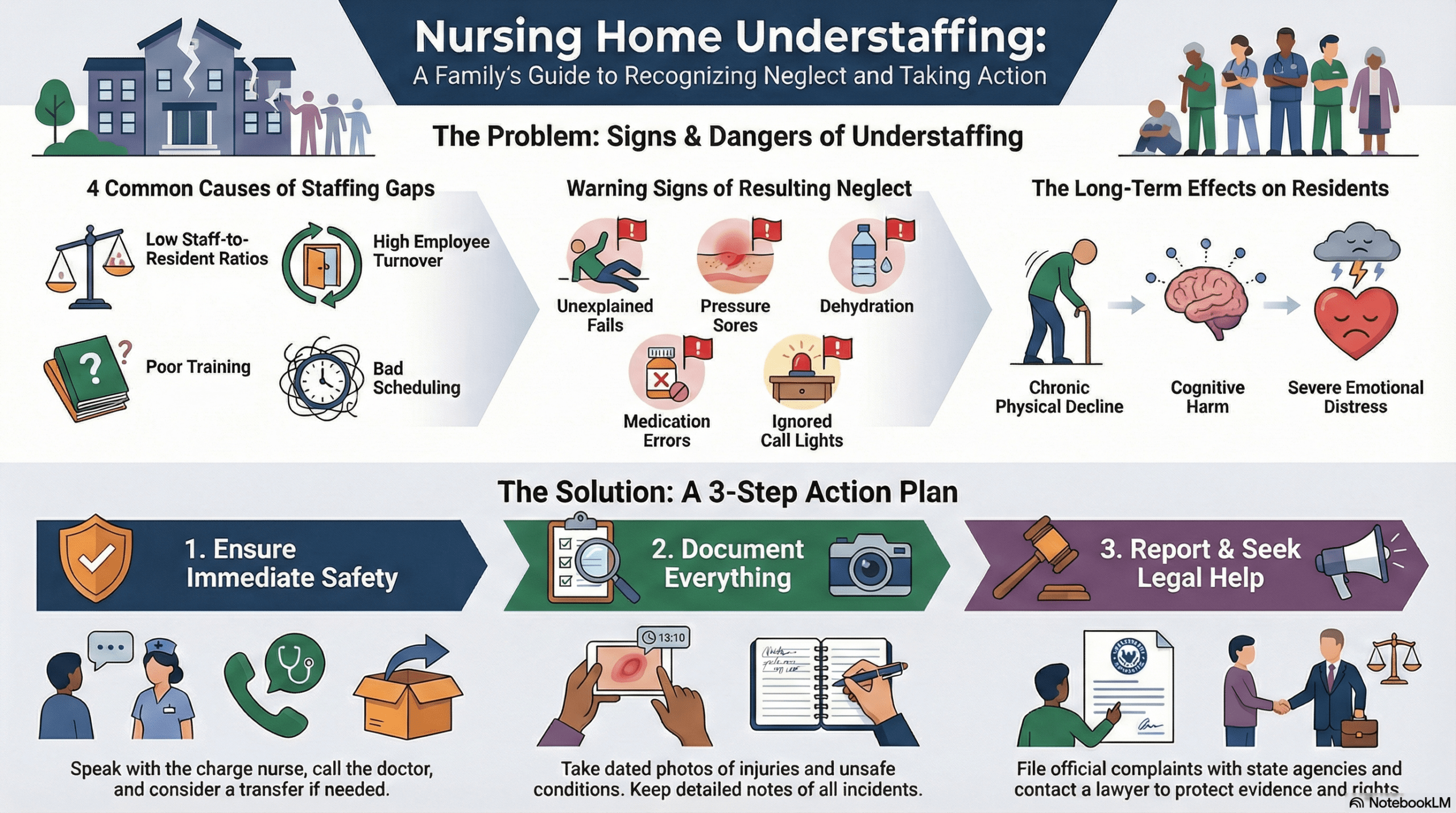
When you suspect negligent staffing in a Fort Lauderdale nursing home, you’ll often see the same root problems. Low staff-to-resident ratios, high turnover, and inadequate training can leave residents without timely care and proper supervision.
You may also find that poor scheduling practices—such as understaffed shifts or excessive overtime—create gaps that lead to preventable harm.
Low Staff-to-Resident Ratios
Too often, low staff-to-resident ratios in Fort Lauderdale nursing homes leave caregivers stretched so thin that residents don’t get the timely attention they need for basic safety and daily care.
When you’re called to serve elders with dignity, you expect hands-on help—not rushed rounds and missed needs. With weak resident ratios, staff may not reposition residents to prevent pressure sores, answer call lights promptly, assist with meals and hydration, or monitor fall risks and medication timing. Small delays can cause serious harm.
You might also see fewer meaningful interactions, leading to isolation and anxiety. These conditions can violate care standards and signal negligent staffing.
If you suspect understaffing, document concerns, request care-plan updates, and speak up for your loved one’s right to consistent, attentive support every day.
High Staff Turnover Rates
High staff turnover often serves as a warning light in Fort Lauderdale nursing homes because constant departures disrupt continuity of care and leave fewer experienced hands on the floor. When you’re called to serve residents with patience and dignity, rapid churn forces you to cover extra assignments, rush basic needs, and miss subtle changes in condition.
| Turnover driver | How it harms care |
|---|---|
| Burnout from overload | You’re pulled from residents, and call lights wait |
| Poor support systems | You spend time fixing gaps instead of comforting |
| Pay that lags | Staffing thins when competitive wages aren’t offered |
Ask leadership to act on exit interviews, stabilize schedules, and address morale before more caregivers walk away. If the facility ignores patterns, document dates, short-staffed shifts, and the resident’s impact.
Inadequate Staff Training
Even if a Fort Lauderdale nursing home seems fully staffed on paper, inadequate training can turn routine care into a safety risk.
When you’re called to serve vulnerable residents, you need more than goodwill—you need clear protocols, hands-on coaching, and supervision that catches mistakes early. Without proper instruction, staff may miss infection-control steps, mishandle lifts, overlook choking risks, or delay reporting sudden changes in condition.
You’ll often see problems where facilities skip competency assessments, fail to document skills, or rush new hires onto the floor without mentoring.
Regular simulation drills can prepare your team for falls, elopement, medication errors, and cardiac or respiratory distress so you respond calmly and correctly. When training falls short, residents pay the price, and liability grows fast.

Poor Scheduling Practices
Staff training can fail a resident in an instant, but poor scheduling can set your team up to fail for an entire shift. When management stacks too many admissions, therapies, and med passes onto thin coverage, you can’t give each resident the patient attention they merit.
You rush, miss call lights, and documentation slips, even when your heart’s in the right place.
Bad scheduling also fuels unsafe workarounds. Constant shift swapping leaves gaps, mismatched skills, and confusion about who’s responsible for essential tasks. Overtime abuse wears you down, slows response times, and increases the risk of falls, pressure injuries, and medication errors.
If you’re trying to serve with dignity and compassion, you need staffing plans that match acuity, keep assignments stable, and build in relief for breaks and emergencies.
Legal Rights of Fort Lauderdale Nursing Home Negligent Staffing / Understaffing Victims
When a Fort Lauderdale nursing home runs short on nurses or aides, and you or a loved one gets hurt, Florida law gives you clear rights to demand accountability. You can insist on safe care, dignity, and prompt medical attention, and you don’t have to stay silent when understaffing causes falls, pressure sores, medication errors, or neglect.
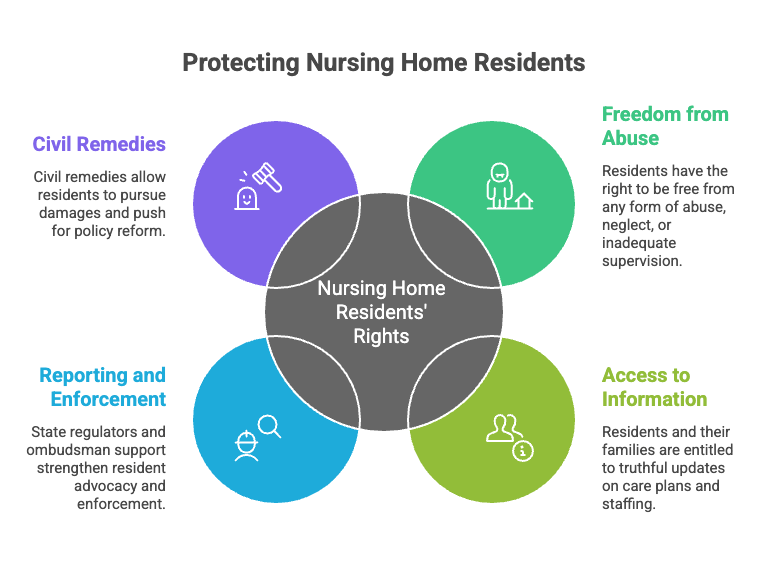
You may rely on these crucial protections:
- Rights under the Florida Nursing Home Residents’ Rights Act to be free from abuse, neglect, and inadequate supervision.
- Access to records and truthful updates about care plans, staffing, and incidents.
- Reporting and enforcement options through state regulators and ombudsman support, strengthening resident advocacy.
- Civil remedies that let you pursue damages and push facilities toward safer standards and policy reform.
Steps to Take After a Fort Lauderdale Nursing Home Negligent Staffing / Understaffing
If you suspect negligent staffing or understaffing, you should first make sure your loved one is safe by requesting immediate medical attention or a transfer if needed.
Next, you’ll want to document every warning sign of neglect—photos, dates, injuries, medication issues, and witness names—so you’ve got a clear record.
Then report the situation to the facility and the proper authorities, and contact a Fort Lauderdale nursing home lawyer to protect your rights and pursue accountability.
Ensure Resident Safety
Although you may feel pressured to “wait and see,” your first priority after suspected negligent staffing or understaffing is keeping your loved one safe.
Ask to speak with the charge nurse immediately and request a prompt care review, including medication timing, fall precautions, and toileting assistance.
If you sense ongoing risk, insist on closer supervision, a room change nearer to the nurses’ station, or transfer to a safer unit or facility.
Call the attending physician to confirm urgent medical needs are addressed and that orders match current conditions.
Loop in the administrator and ask what staffing audits show about coverage in your loved one’s hall.
Stay present, coordinate family visits, and practice calm resident advocacy so your loved one receives attentive, dignified care today.
Document Signs Of Neglect
Once you’ve taken steps to protect your loved one in the moment, start building a clear record of what you’re seeing. Write dated notes after every visit, focusing on changes in hygiene, mood, mobility, and nutrition.
Take photos of unsafe conditions, soiled bedding, unexplained bruises, or missed call lights. Save care plans, medication lists, and any written notices. Ask staff calm, service-minded questions and log who you spoke with and what they said.
| What you notice | Proof to collect | When to record |
|---|---|---|
| Weight loss, dehydration | Meal logs, water access photos | Same day |
| Falls, new bruising | Photos, incident notes | Immediately |
| Low supervision | visitor complaints, family interviews | Each visit |
Keep originals organized and back up files securely for later review.
Report And Seek Legal Help
After you’ve gathered initial proof, move quickly to report the understaffing through the proper channels and get legal guidance before the facility can downplay what happened. Notify the charge nurse, the administrator, and the ombudsman, and file a complaint with Florida’s Agency for Health Care Administration. If there’s immediate danger, call 911. Put every report in writing and keep copies, because clear documentation protects residents and helps regulators act.
Next, contact a Fort Lauderdale nursing home negligence lawyer. You’ll learn your options, deadlines, and how to preserve staffing records, call logs, and surveillance. Your attorney can coordinate witness coaching so statements stay accurate, not pressured. If publicity could protect others, they’ll advise a careful media strategy that respects privacy and supports lasting change.
How a Fort Lauderdale Nursing Home Negligent Staffing / Understaffing Lawyer Can Help You
When a nursing home runs short-staffed, residents can suffer preventable falls, missed medications, dehydration, and untreated infections, and you shouldn’t have to sort out what went wrong on your own. A Fort Lauderdale negligent staffing lawyer helps you protect your loved one while holding the facility accountable with compassion and focus.
Short staffing can cause falls, missed meds, dehydration, and infections—get compassionate Fort Lauderdale legal help to protect your loved one.
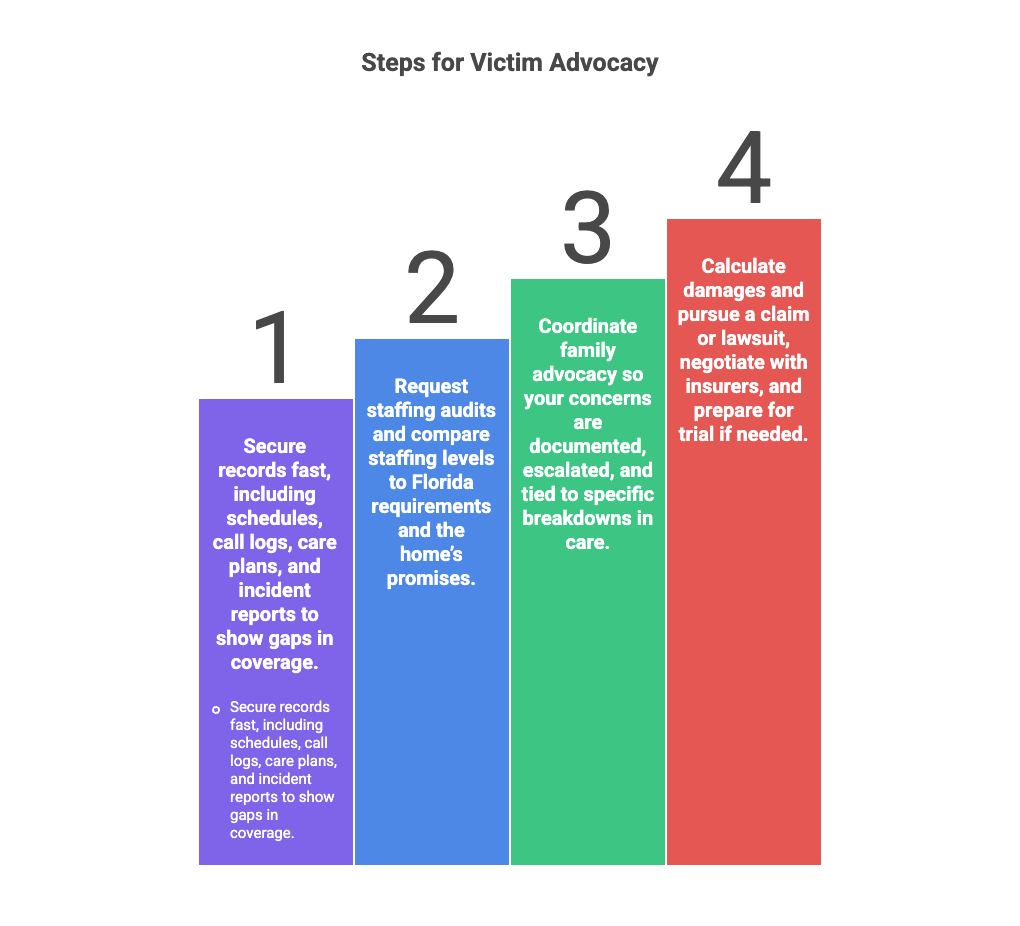
They can help you:
- Secure records fast, including schedules, call logs, care plans, and incident reports to show gaps in coverage.
- Request staffing audits and compare staffing levels to Florida requirements and the home’s promises.
- Coordinate family advocacy so your concerns are documented, escalated, and tied to specific breakdowns in care.
- Calculate damages and pursue a claim or lawsuit, negotiate with insurers, and prepare for trial if needed.
You’ll also get guidance on reporting to state agencies and improving immediate safety without confrontation.
Long Term Effects of Fort Lauderdale Nursing Home Negligent Staffing / Understaffing Injuries
When a Fort Lauderdale nursing home runs short-staffed, you can end up facing injuries that don’t heal cleanly and trigger chronic physical decline.
You might also see lasting cognitive and emotional harm as neglect compounds stress, confusion, and isolation.
Over time, you and your family can face serious financial strain and the ongoing burden of coordinating care and support.
Chronic Physical Decline
Watching a loved one slowly lose strength, mobility, and independence can be a telltale sign of chronic physical decline caused by negligent staffing in a Fort Lauderdale nursing home.
When too few caregivers respond, your loved one may sit longer, skip assisted walks, and miss timely repositioning. Over weeks, that neglect can trigger progressive weakness and mobility loss, making transfers, toileting, and bathing harder and riskier. You may notice more falls, worsening pressure sores, contractures, dehydration, or weight loss when meals and fluids aren’t consistently supported.
You can serve them best by documenting changes, requesting a care-plan meeting, and insisting on adequate staffing and therapy follow-through. If the facility ignores clear decline, you can seek accountability to protect your loved one’s health.
Cognitive And Emotional Harm
Chronic physical decline often comes with quieter damage that’s harder to spot—cognitive and emotional harm that builds in understaffed Fort Lauderdale nursing homes. When staff rushes, you may notice missed conversations, fewer reminders, and long stretches without meaningful interaction. That lack of attention can accelerate memory decline, confusion, and withdrawal, especially for residents already living with dementia or depression.
You can also see emotional distress grow when call lights go unanswered, routines change without explanation, or personal care feels hurried and impersonal. Residents may become fearful, agitated, or unusually quiet, and they might stop eating, sleeping well, or participating in activities. If you serve as an advocate, you can document changes, ask direct questions, and push for consistent supervision and compassionate engagement every day.
Financial And Family Strain
Pressure builds fast after an understaffed Fort Lauderdale nursing home injures your loved one, and the fallout often hits your finances and family long after the initial crisis.
You may face rising medical expenses for hospital stays, wound care, rehab, medications, and follow-up specialists, even when insurance pays part. Missed work, travel time, and out-of-pocket supplies add up quickly, forcing hard choices about rent, savings, and other loved ones’ needs.
At home, you often step into a caregiving role without training, juggling appointments, meals, and safety planning. That constant responsibility can strain marriages, disrupt parenting, and isolate you from your community.
Over time, the pressure can trigger caregiver burnout, making it harder to keep serving your family with patience and compassion.
Proving Liability in Fort Lauderdale Nursing Home Negligent Staffing / Understaffing Cases
Building a strong negligent staffing claim in a Fort Lauderdale nursing home case starts with proving the facility didn’t just “run short” on workers—it failed to staff safely and that failure caused your loved one’s harm. You’ll focus on duty, breach, causation, and damages, showing the home owed safe care and didn’t meet it.
You can prove breach by comparing schedules, timecards, and call-out logs to required staffing ratios and resident acuity. You’ll look for patterns: skipped turns, missed hygiene, delayed meds, unanswered alarms, or rushed transfers. Training matters too. Request policies, orientation records, competency checklists, and training audits to show aides weren’t prepared for fall prevention, wound care, or dementia behaviors.
To prove causation, connect the short staffing to specific injuries with chart notes, incident reports, photos, and witness statements from family and staff. If management ignored complaints or falsified records, that strengthens your case and protects others too.
Compensation for Fort Lauderdale Nursing Home Negligent Staffing / Understaffing Damages
Once you’ve shown the facility’s understaffing caused your loved one’s injury, the next step is putting a dollar value on what that neglect cost. You’ll focus on restoring dignity, stability, and safety—not just “winning.” Your claim can include both financial losses and the human impact of pain, fear, and lost enjoyment of life. You’ll also consider whether Florida’s damage caps apply, since limits can affect certain compensation types.
| Loss you can seek | How it’s measured |
|---|---|
| Medical care | Bills, future treatment needs |
| Rehabilitation | Therapy, mobility aids, transport |
| Pain and suffering | Severity, duration, daily impact |
| Wrongful death losses | Funeral costs, lost support, grief |
You’ll document everything: care plans, staffing logs, incident reports, photos, and witness statements. When you present clear proof, you make it easier for insurers or a jury to fund better care and honor your loved one’s worth.
The Statute of Limitations for Fort Lauderdale Nursing Home Negligent Staffing / Understaffing Cases
Even if the understaffing seems obvious, you can’t wait forever to file a claim—Florida’s statute of limitations sets strict deadlines for nursing home negligent staffing and understaffing cases in Fort Lauderdale. In many situations, you generally have two years from the date of injury or death to start a lawsuit, and missing that window can bar recovery for the resident you’re trying to protect.
Deadlines can shift when you’re dealing with statute exceptions, like fraud, concealment of records, or identity of responsible parties. You’ll also want to take into account the discovery rule applicability: sometimes the clock doesn’t start until you knew, or reasonably should’ve known, that understaffing caused harm. That can matter when pressure sores, infections, or falls appear “unavoidable” until documentation tells the real story.
Act promptly, preserve records, and track dates so your efforts to serve an elder aren’t derailed by a technical deadline.
Why You Need an Experienced Fort Lauderdale Nursing Home Negligent Staffing / Understaffing Lawyer
Because negligent staffing cases hinge on what the facility knew, documented, and chose not to fix, you need an experienced Fort Lauderdale nursing home understaffing lawyer who can move fast, secure records, and connect the dots between thin staffing and the injuries your loved one suffered.
You can’t rely on a facility’s story when schedules, call-light logs, incident reports, and care plans may reveal chronic shortfalls. A seasoned lawyer knows how to analyze staffing patterns across shifts, compare them to acuity needs, and show how missed turns, delayed meds, or ignored hygiene lead to falls, pressure sores, infections, and malnutrition.
You also need someone who can work with nurses and geriatric experts to explain proper injury prevention and why reasonable staffing would’ve changed the outcome. When you act quickly, you protect evidence, hold decision-makers accountable, and push the facility to improve care for every resident, not just your family member.
How to Choose the Right Fort Lauderdale Nursing Home Negligent Staffing / Understaffing Lawyer for Your Case
When you’re choosing a Fort Lauderdale nursing home negligent staffing lawyer, focus on who can prove understaffing caused the harm—not who makes the biggest promises. Ask how they’ll connect missed rounds, delayed meds, or ignored call lights to specific injuries using records, staffing logs, and witness accounts.
| What you ask | What you want | Why it matters |
|---|---|---|
| Experience with staffing cases | Clear examples, results | Shows practical know-how |
| Plan for evidence | Steps, timeline, experts | Proves causation, not guesses |
| Communication style | Fast updates, empathy | Keeps families supported |
Insist on thorough client interviews, including caregivers and family, so your loved one’s daily needs don’t get minimized. Review fee structures in writing, and confirm costs, contingencies, and what happens if you switch counsel. Choose someone who treats your case like a mission: protecting residents and holding facilities accountable, with dignity and steady resolve.
About the Law Offices of Anidjar and Levine
Sorting through a negligent staffing claim can feel overwhelming, so the Law Offices of Anidjar and Levine steps in to shoulder the legal work and keep your case moving.
You’ll get a team that treats your loved one’s safety as the priority, handles calls with nursing homes and insurers, and gathers records quickly. You won’t have to chase updates or wonder what comes next.
You can lean on the firm history of advocating for injured Floridians and holding careless facilities accountable.
You’ll see that commitment in practical help: clear timelines, prompt answers, and respectful guidance when emotions run high.
You can also review client testimonials that highlight responsiveness and compassion, not just results.
If your goal is to protect residents and prevent future harm, you’ll find counsel that aligns with that service-minded mission and pursues fair compensation without losing sight of dignity.
Frequently Asked Questions
Do I Have to Move My Loved One Before Filing a Staffing Complaint?
No, you don’t have to move your loved one before filing a staffing complaint. You can report unsafe conditions right away, and legal timing often matters if you want records preserved and agencies alerted quickly.
If you choose resident relocation, you can do it before or after reporting—prioritizing safety, medical continuity, and dignity. Document incidents, request care plans, and involve your loved one’s physician and ombudsman while you advocate.
Can I Report Understaffing Anonymously to Florida Regulators?
Yes, you can report understaffing anonymously to Florida regulators. You can use anonymous hotlines run by the Agency for Health Care Administration or the Long-Term Care Ombudsman, and you don’t have to reveal your name to start an investigation.
If you’re a staff member, you can also lean on whistleblower protections against retaliation. You help protect residents by documenting dates, shifts, and specific risks you’ve seen.
What Evidence Should I Request From the Nursing Home Immediately?
Request copies of staffing logs, daily census sheets, and assignment rosters for each shift. Ask for training records, competency checklists, and in‑service attendance that show who was qualified to provide care. Get incident reports, fall/wound logs, call‑light response times, and medication administration records. Request care plans, charting notes, and any complaints filed by residents or families. Ask for emails or policies on staffing levels and overtime. Act quickly, document everything.
How Long Do Nursing Homes Keep Staffing Schedules and Call-Out Records?
You’ll usually find nursing homes keep staffing schedules, staffing logs, and personnel rosters for 3–7 years, while call-out records often last 1–3 years, depending on state rules and company policy.
You shouldn’t wait—ask in writing today and request preservation so nothing’s routinely deleted.
You can also seek payroll records and timecards to confirm who actually worked.
Will My Family Member Face Retaliation for Reporting Inadequate Staffing?
Your family member shouldn’t face retaliation for reporting inadequate staffing, and you can lean on retaliation protection and whistleblower rights if the facility pushes back.
You can help by documenting concerns, keeping copies of messages, and noting dates, times, and witnesses.
You can report to state regulators or the long-term care ombudsman.
If staff treat your loved one differently, reduce care, or threaten discharge, you should escalate quickly.
——————-
When a Fort Lauderdale nursing home cuts corners on staffing, your loved one can suffer needless harm.
You don’t have to accept excuses or vague promises. By acting quickly, you can protect records, report the abuse, and pursue compensation for medical costs, pain, and lasting trauma.
An experienced attorney handling negligent staffing and understaffing can investigate scheduling, policies, and training failures, then work to hold the facility accountable.
Reach out to the Fort Lauderdale Nursing Home Abuse and Neglect Lawyer at the Law Offices of Anidjar and Levine to discuss your next steps.

