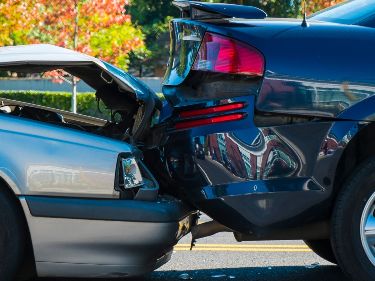
How Tampa lawyers handle rear-end collisions at stoplights depends on the facts of each case. At intersections, rear-end crashes frequently occur when one driver fails to stop in time, often resulting in injuries, vehicle damage, and disputes over fault.
For victims with serious injuries, determining liability and pursuing a claim can involve filing with insurance or possibly a lawsuit if the injuries and damages exceed Florida’s no-fault insurance threshold.
A Tampa rear-end collision car accident lawyer can assist victims by reviewing evidence, identifying fault, and seeking fair compensation for medical expenses, lost wages, and related damages. Understanding the approach lawyers take in these cases can help victims decide what steps to take following their accident.
Negligence Leads to Rear-End Collisions at Stoplights
Rear-end collisions at stoplights often happen because of driver errors or external conditions. Lawyers investigate these causes to determine liability and strengthen the victim’s case.
Distractions Behind the Wheel
Distracted driving is one of the most common reasons for rear-end collisions. Drivers who are texting, eating, or adjusting their navigation systems may fail to notice that the car ahead has stopped at a light.
Speeding and Sudden Stops
Approaching a stoplight at a higher speed reduces the time a driver has to react when traffic stops. This is especially problematic when there are sudden light changes or unexpected traffic backups.
Following Too Closely
Tailgating is a frequent contributor to rear-end crashes. Drivers who leave insufficient space between their vehicle and the car ahead may be unable to brake in time to avoid a collision.
Weather and Road Conditions
Rain, wet roads, or other hazardous conditions can increase stopping distances. Drivers who fail to adjust their speed or following distance in these conditions are more likely to cause an accident.
Impaired Driving
Driving under the influence of alcohol or drugs slows reaction times and impairs judgment, making it harder to stop in time at intersections.


Steps Lawyers Take to Investigate and Build a Case
When handling rear-end collisions, Tampa car accident lawyers focus on gathering and reviewing evidence to determine fault and calculate damages.
Reviewing the Accident Scene
Lawyers often begin by analyzing police reports, photos, and videos from the accident scene. They look for details like the position of the vehicles, skid marks, or traffic light timing to establish what happened.
Collecting Witness Statements
Statements from eyewitnesses who saw the crash can provide important details about how the collision occurred and who may have been at fault.
Analyzing Traffic and Camera Footage
In some cases, footage from traffic cameras or nearby businesses may show the events leading up to the collision. This type of evidence can help clarify whether the trailing driver was distracted, speeding, or following too closely.
Examining Vehicle Damage and Black Box Data
The damage to each vehicle often tells a story. Tampa personal injury lawyers may use crash data from a car’s black box to determine the speed and braking patterns of the trailing vehicle at the time of the accident.
Identifying Liability
While the trailing driver is typically presumed to be at fault in rear-end collisions, lawyers investigate whether other factors contributed. For instance, a lead driver’s sudden and unnecessary stop, malfunctioning brake lights, or improper lane changes may also play a role.
How Tampa Lawyers Determine Fault in Rear-End Collisions
Florida law generally presumes the trailing driver to be at fault in rear-end collisions. However, lawyers evaluate the circumstances of the crash to identify any additional factors that could affect liability.
Negligence of the Trailing Driver
The trailing driver is often found at fault if they were:
- Distracted by a phone or another activity
- Following too closely
- Speeding or driving too fast for conditions
- Failing to properly maintain their vehicle, such as worn brakes or tires
Shared Fault in Certain Situations
In some cases, the lead driver or another party may share liability. For example:
- If the lead driver suddenly stops without reason
- If the brake lights on the lead vehicle were not functioning
- If the lead driver cut off the trailing driver and immediately stopped
Florida’s comparative fault rule allows damages to be adjusted based on each party’s percentage of fault. For instance, if a victim is found 20% at fault, their damages may be reduced by that percentage.
How Tampa Car Accident Lawyers Approach Insurance Claims
Florida’s no-fault insurance system requires drivers to file a claim with their personal injury protection (PIP) insurance after an accident. However, victims with serious injuries may need to file a liability claim against the at-fault driver to recover additional damages.
Filing a PIP Claim
PIP covers up to $10,000 for medical expenses, lost wages, and other related costs. Lawyers assist clients in filing their PIP claims and addressing any disputes with the insurance company.
Filing a Liability Claim
If injuries are serious or costs exceed PIP limits, victims can pursue a claim against the at-fault driver’s liability insurance. This process involves proving negligence and presenting evidence to support the claim.
Addressing Uninsured or Underinsured Drivers
If the at-fault driver lacks sufficient insurance, victims may file a claim under their own uninsured/underinsured motorist (UM/UIM) coverage. Lawyers help clients explore this option when applicable.


Pursuing Damages in Rear-End Collision Cases
Victims of rear-end collisions may seek compensation for a range of economic and non-economic damages.
Medical Expenses
This includes hospital bills, surgeries, rehabilitation, physical therapy, and any future medical care related to the accident.
Lost Income
Victims who are unable to work due to their injuries may recover compensation for lost wages. In cases of long-term disability, damages may also include reduced earning potential.
Pain and Suffering
Non-economic damages compensate victims for physical pain, emotional distress, and the impact of the injuries on their daily lives.
Property Damage
Victims may recover the costs of repairing or replacing their vehicle, as well as compensation for any damaged personal items.
Filing a Lawsuit When Insurance Falls Short
If a fair settlement cannot be reached through insurance claims, lawyers may recommend filing a personal injury lawsuit. Florida law typically allows two years from the date of the accident to file a personal injury lawsuit. Filing within this timeframe is necessary to preserve the right to seek damages.
Our Tampa Lawyers Handle Rear-End Collisions at Stoplights
If you were involved in a rear-end collision at a stoplight, we can help. At Anidjar & Levine, we are committed to helping you recover compensation for your injuries and losses.
Call us today for a free consultation. We are ready to discuss your case, answer your questions, and provide the representation you need.