




If your newborn suffered kernicterus from untreated hyperbilirubinemia, you need swift, informed legal action to protect your child’s future.
The Law Offices of Anidjar and Levine can secure records, retain neonatology and nursing experts, and prove breaches in monitoring or treatment that caused preventable brain damage.
You’ll also need guidance on insurers, deadlines, and lifetime care planning, including therapies and benefits coordination.
Here’s how a targeted legal strategy can position your case for meaningful accountability and support.
Learn more with a Birth Injury Lawyer.
Key Takeaways
- Lawyers evaluate delayed jaundice recognition, missed bilirubin testing, and treatment lapses to prove preventable kernicterus caused by negligent care.
- Counsel rapidly preserves evidence, obtains medical records, expert opinions, and builds timelines linking bilirubin mismanagement to neurological injury.
- Attorneys manage insurer communications, meet strict statutes of limitations, and file suit promptly to maximize recovery.
- Legal teams quantify lifetime care costs and structure settlements, including special needs trusts, to protect benefits and fund long‑term therapies.
- Immediate steps include urgent medical evaluation, documenting symptoms and labs, and contacting a birth injury lawyer for a free case assessment.

How We Can Help With Your Kernicterus Hyperbilirubinemia Injury Claim
Guide your claim with a team that understands kernicterus and the standards doctors must meet to prevent it. You’ll receive precise case evaluation, prompt evidence preservation, and strategic advocacy that aligns with your family’s needs.
We coordinate medical experts to analyze bilirubin monitoring, escalation protocols, and discharge decisions, then translate those findings into a clear, persuasive liability narrative.
We manage communications with insurers, draft demand packages grounded in documented losses, and prepare your claim for litigation from day one. You’ll gain guidance on benefits, community resources, and Parental support programs that help you sustain care without delay.
Our damages strategy accounts for lifetime therapies, assistive technology, special education, and respite services.
We also integrate Financial planning with settlement strategy, protecting eligibility for public benefits through structured settlements and special needs trusts. Throughout, we keep you informed, meet deadlines, and pursue remedies that honor your commitment to your child’s well-being.
Understanding Kernicterus Hyperbilirubinemia Injury Cases
Although every family’s story is unique, understanding a kernicterus hyperbilirubinemia case starts with how bilirubin should be monitored, interpreted, and treated in the newborn period.
You begin by examining whether neonatal screening was timely, whether transcutaneous or serum levels were obtained, and whether results were plotted on the appropriate age-in-hours nomogram.
You then assess bilirubin kinetics: how quickly levels rose, whether risk factors were identified, and if escalating values prompted prompt clinical action.
You evaluate whether caregivers recognized red flags, documented assessments, and communicated clear follow-up instructions.
You also verify that phototherapy or exchange transfusion thresholds were applied correctly, and that hydration, feeding support, and repeat testing were performed as ordered.
You review charts, orders, and nursing notes to confirm that the right treatments were administered at the correct time.
Finally, you connect the timeline of bilirubin levels, symptoms, and interventions to determine causation and damages, ensuring your advocacy centers the child’s safety and long-term needs.
Common Causes of Kernicterus Hyperbilirubinemia Injuries
You should recognize that delayed jaundice recognition, especially after early discharge, often sets the stage for preventable harm.
When providers don’t perform adequate bilirubin monitoring or ignore rising levels, the risk of kernicterus escalates quickly.
If prompt treatment is withheld and known risk factors are overlooked, you may face severe, avoidable injury linked to apparent lapses in neonatal care.
Delayed Jaundice Recognition
Too often, kernicterus traces back to delayed recognition of neonatal jaundice, when rising bilirubin levels aren’t identified and treated before they cross neurotoxic thresholds. You serve families best when you recognize how easily subtle signs, such as yellowing, poor feeding, or unusual sleepiness, can be dismissed as normal newborn behavior.
A delayed diagnosis frequently stems from fragmented communication, missed early follow-ups, or assumptions that visible jaundice equals mild risk.
You can prevent harm by insisting on thorough discharge counseling and clear caregiver education that explains warning signs and urgent return precautions. Encourage parents to observe skin and scleral color in natural light, track feeding and diaper changes, and promptly report lethargy, high-pitched crying, or arching of the back.
When caregivers understand these cues, they can seek timely evaluation, protecting the child’s developing brain.
Inadequate Bilirubin Monitoring
When bilirubin monitoring falters, preventable brain injury can follow. You rely on clinicians to measure, track, and interpret bilirubin levels with vigilance, yet lapses arise when protocols are vague, documentation is incomplete, or follow-up is inconsistent.
Intermittent sampling without risk-based scheduling can miss steep rises, especially in late preterm or hemolysis-prone infants. Transcutaneous readings require confirmation and trending, not isolated numbers that create false reassurance.
You merit a plan that aligns testing frequency with risk factors, nursing assessments, and early outpatient checks. Clear thresholds for escalation must be recorded, and handoffs should include explicit next-test deadlines.
Parental education is crucial, empowering you to recognize jaundice progression, feeding difficulties, or lethargy, and to prompt timely reassessment. Consistent surveillance protects newborns and preserves their futures.
Failure to Treat Promptly
Although bilirubin levels can climb rapidly in vulnerable newborns, delayed intervention remains a leading driver of kernicterus. When providers fail to act at the first signs of escalating jaundice, preventable brain injury can follow.
You rely on timely phototherapy, prompt lab confirmation, and swift escalation to exchange transfusion when indicated. Any delay, even hours, can allow bilirubin to cross the blood–brain barrier and cause irreversible harm.
Failures often stem from workflow gaps, such as delayed discharge without a safe follow-up plan, or communication breakdown between nurses, pediatricians, and on-call consultants.
You expect coordinated care, clear handoffs, and adherence to treatment thresholds. When teams hesitate, misread orders, or wait for morning rounds, your child’s window for effective treatment narrows, exposing them to permanent injury.
Risk Factors Overlooked
Despite clear guidelines, clinicians too often overlook vital risk factors that sharply increase a newborn’s vulnerability to hazardous hyperbilirubinemia. You depend on providers to identify conditions that demand immediate surveillance and intervention, yet lapses persist. Missed Rh ro incompatibility can accelerate hemolysis, causing bilirubin levels to spike before routine checks detect danger.
Unrecognized prematurity magnifies risk, because immature livers clear bilirubin poorly, necessitating earlier testing and lower treatment thresholds.
You also face risks when providers ignore bruising, cephalohematoma, or poor feeding, each of which signals increased bilirubin production or decreased clearance. Failure to review the family history of jaundice or G6PD deficiency further compounds the danger.
Accurate timing of bilirubin measurements, appropriate use of nomograms, and timely escalation to phototherapy or exchange transfusion are indispensable safeguards.
Legal Rights of Kernicterus Hyperbilirubinemia Injury Victims
Even before you consider filing a claim, you have core legal rights if kernicterus or severe hyperbilirubinemia harmed your child. You’re entitled to accurate information, timely disclosure of records, and a clear explanation of standards of care. Your rights include the ability to pursue compensation for medical costs, long-term therapies, and loss of future earnings capacity.
Parental advocacy remains central, and your voice can secure appropriate services, accommodations, and disability benefits that sustain your child’s growth and dignity.
You have core legal rights to answers, records, accountability, and compensation—advocate to secure your child’s dignity and future.
- You have the right to obtain complete medical records, including labs, notes, and policies guiding bilirubin management.
- You may seek accountability when providers deviate from accepted neonatal care standards that prevent kernicterus.
- You can claim damages for treatment, assistive technology, in-home care, special education, and respite support.
- You have the right to pursue public and private disability benefits, ensuring ongoing care, equipment, and transportation.

These rights protect your child’s future, reinforce safety, and support your family’s mission to serve and advocate.
Steps to Take After a Kernicterus Hyperbilirubinemia Injury
After a kernicterus hyperbilirubinemia injury, you should seek immediate medical care to stabilize your child and establish a clear clinical record.
You then need to document symptoms, treatments, test results, and all communications, preserving records and timelines to substantiate causation and damages.
Finally, consult a qualified birth injury attorney promptly, so you can assess liability, protect deadlines, and position your claim for maximum recovery.
Seek Immediate Medical Care
At the first sign of escalating jaundice or unusual lethargy in your newborn, seek immediate medical care to prevent bilirubin levels from reaching neurotoxic ranges.
Don’t wait for a routine appointment; call 911 or go to the nearest emergency department with neonatal capabilities.
Request prompt bilirubin testing, including total and direct levels, and ask for a clinician experienced in newborn jaundice.
Emphasize risk factors such as prematurity, hemolysis, bruising, or poor feeding, and insist that emergency protocols be followed without delay.
Practice parental advocacy with calm firmness.
Ask about phototherapy thresholds, exchange transfusion criteria, and the timeline for reassessment.
Confirm continuous monitoring and hydration strategies.
If discharge is considered, request clear return precautions and a rapid follow‑up plan.
Your decisiveness protects neurological outcomes and preserves future options.
Document Symptoms and Records
While your child’s immediate medical needs take precedence, you should begin a meticulous record of symptoms, care, and communications as soon as kernicterus is suspected or diagnosed. Create a daily log that notes jaundice progression, lethargy, irritability, feeding difficulties, changes in muscle tone, and any seizures or unusual movements.
Record temperatures, weight checks, and bilirubin levels when available, and attach dates and times with precision.
Maintain medication logs for phototherapy sessions, prescriptions, and dosages, noting responses and side effects. Track feeding schedules, intake volumes, and diaper counts to document hydration and nutrition. Supplement your notes with home videos that show movement patterns, cries, and alertness.
Conduct brief parent interviews with caregivers and relatives to capture observations, clarifying dates and contexts. Organize records chronologically, storing copies of all medical reports and communications.
Consult Birth Injury Attorney
Secure experienced legal counsel promptly to protect your child’s rights and preserve vital evidence. A skilled birth injury attorney will evaluate the medical timeline, identify deviations from neonatal care standards, and determine potential liability. You’ll receive guidance on immediate steps, including preserving records, coordinating expert reviews, and avoiding statements that could undermine your claim.
Choose counsel with proven kernicterus litigation results, strong medical expert networks, and clear communication. Ask about case strategy, expected timelines, and fee structures, including contingency terms. Your attorney can connect you with parental counseling resources to support family stability during the process.
They’ll also coordinate financial planning, estimating lifetime care costs, therapies, and educational supports. Early representation strengthens negotiations, guarantees thorough damage assessments, and positions your case for settlement or trial.
How a Kernicterus Hyperbilirubinemia Injury Lawyer Can Help You
Because kernicterus cases blend elaborate medicine with exacting legal standards, a dedicated hyperbilirubinemia injury lawyer can quickly clarify your rights, protect essential evidence, and build a fact‑driven claim. You gain a disciplined advocate who coordinates records, consults experts, and frames liability with precision.
Guided by parental advocacy and linked to community resources, your counsel helps you serve your child’s interests while advancing accountability.
- Case evaluation and strategy: Your lawyer assesses timing of bilirubin monitoring, escalation protocols, and discharge planning, then crafts a litigation plan aligned with your goals.
- Evidence development involves securing neonatal charts, bilirubin curves, lab audits, and expert opinions, thereby preserving the chain of custody and ensuring admissibility.
- Negotiation and litigation: Your attorney quantifies damages, manages insurer communications, and, when needed, presents a straightforward narrative to the jury.
- Support and coordination: Counsel connects you with community resources, coordinates benefits, and structures settlements to protect medical and educational needs.
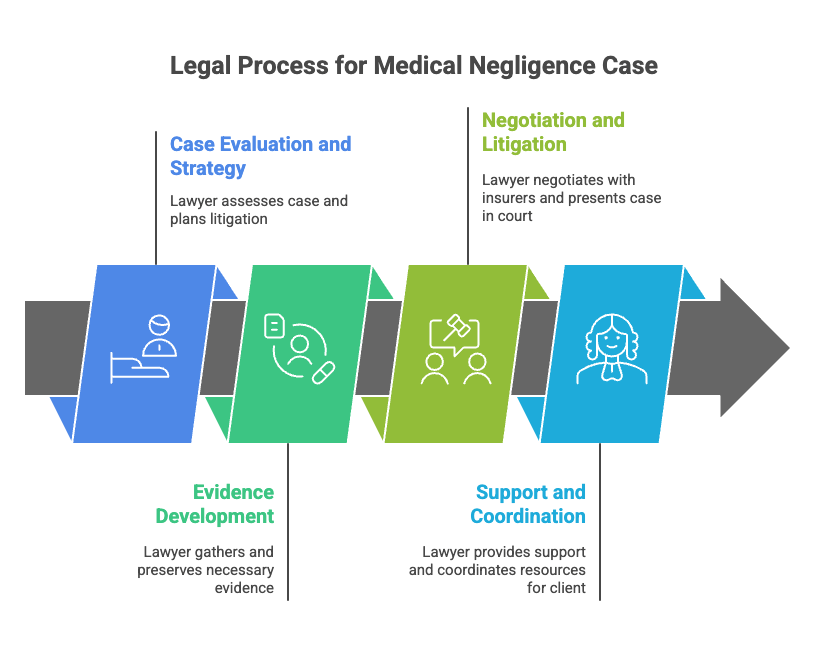
This focused representation safeguards your voice, converts complicated facts into proof, and positions your claim for meaningful relief.
Long Term Effects of Kernicterus Hyperbilirubinemia Injuries
You should understand that kernicterus can lead to lasting cognitive and learning challenges, affecting memory, attention, and academic progress.
You may also face motor and movement disorders, including muscle rigidity, poor coordination, and difficulties with balance that impact daily activities.
Additionally, you could experience hearing and speech impairments, which complicate communication and require early, sustained intervention.
Cognitive and Learning Challenges
Although every child’s experience is unique, kernicterus-related brain injury frequently disrupts the neural networks responsible for memory, attention, processing speed, and executive functioning, creating long-term cognitive and learning challenges.
You may see difficulties with working memory, sustained focus, organization, and flexible thinking, which undermine classroom performance and daily routines. Targeted Memory interventions, structured routines, and explicit instruction can improve recall and task completion, while executive coaching and assistive technology help sustain attention and manage intricate assignments.
As a caregiver or advocate, you can coordinate multidisciplinary support, including neuropsychological evaluation, individualized education plans, and therapy that prioritizes Executive functioning skills.
Document needs, monitor progress, and adjust accommodations, such as extended time, reduced distractions, and stepwise instructions. With consistent, evidence-based strategies, you can strengthen learning outcomes and preserve future opportunities.
Motor and Movement Disorders
Steady movement can become a daily challenge when kernicterus injures the deep motor pathways of the brain, particularly the basal ganglia and cerebellar connections.
You may see delayed motor milestones, abnormal postures, or involuntary movements that disrupt balance and coordination.
Infant spasticity often emerges early, with stiff limbs, scissoring legs, and resistance to passive stretching, placing stress on joints and tendons over time.
You can act promptly by pursuing thorough evaluations and targeted care plans.
Movement therapy, combined with occupational and physical therapy, aims to reduce tone, build selective control, and improve functional mobility.
Orthotics, positioning strategies, and safe transfer training support daily care while protecting skin and musculoskeletal health.
With consistent intervention and careful monitoring, you’ll promote safer movement, preserve independence, and reduce preventable complications.
Hearing and Speech Impairments
Motor challenges often appear alongside another lasting consequence of kernicterus: injury to the auditory pathway that disrupts hearing and, in turn, spoken language development.
You may notice reduced responses to sound, delayed babbling, or difficulty forming words, even when cognition appears intact. Because auditory neuropathy can mask itself as inattention, systematic screening is crucial.
Prompt audiology assessment, paired with early intervention, helps you build a path forward. Hearing aids or cochlear implants may improve access to sound, but they require careful mapping and follow-up.
Structured communication therapy focuses on listening skills, articulation, and pragmatic language, while augmentative and alternative communication can support reliable expression. As counsel, we coordinate expert evaluations, document lifelong needs, and pursue resources to fund therapies, devices, and school accommodations.
Proving Liability in Kernicterus Hyperbilirubinemia Medical Malpractice Injury Cases
When you set out to prove liability in a kernicterus hyperbilirubinemia malpractice case, you must link clear medical standards to specific failures that caused preventable brain injury.
You begin by establishing the standard of care, which includes timely bilirubin screening, documented risk assessment, prompt phototherapy or exchange transfusion, and vigilant follow-up.
You then demonstrate how providers deviated from these requirements and how these deviations directly led to harm.
You gather records, bilirubin curves, nursing notes, and discharge instructions, ensuring gaps and delays are transparent.
Expert testimony is essential; neonatology and nursing experts translate guidelines into practical duties, while forensic pathology can clarify causation, distinguishing kernicterus from alternative explanations.
You reinforce causation with timelines, growth charts, and auditory or neurologic findings consistent with bilirubin toxicity.
Finally, you demonstrate foreseeability and preventability. You connect each missed warning sign to an available intervention, proving that reasonable clinicians would have acted, and that decisive action would have avoided injury.
Compensation for Kernicterus Hyperbilirubinemia Damages
Establishing liability lays the groundwork for the next step: securing compensation that reflects the full scope of kernicterus-related losses. You seek damages that address immediate needs and safeguard long-term stability. A thorough claim typically includes medical expenses, adaptive equipment, rehabilitation, and special education services.
You also pursue funding for future therapies, including emerging interventions and multidisciplinary care, to preserve options as your child grows.
Compensation should account for the lost earning capacity of both your child and you, if caregiving limits your ability to work. You may recover for pain and suffering, reduced quality of life, and loss of consortium. Lifetime care plans quantify projected costs, integrating housing modifications, transportation, communication devices, and respite resources.
Caregiver support is vital, so claims should include in-home assistance, counseling, and training that sustains safe, dignified daily care.
Your attorney presents expert evidence, rigorously documents damages, and negotiates or litigates to secure a settlement or verdict that truly meets lifelong needs.
The Statute of Limitations for Kernicterus Hyperbilirubinemia Injury Cases
Although every jurisdiction sets its own deadlines, the statute of limitations for kernicterus hyperbilirubinemia injury cases is strictly enforced and can bar valid claims if you file late. You serve families best when you act promptly, because evidence fades, records get misplaced, and memories erode.
Most states impose short windows for medical negligence or birth injury claims, and some require pre-suit notices or affidavits that consume valuable time.
You must account for statute nuances affecting minors, parents’ derivative claims, and governmental defendants. Some states pause deadlines for infancy, while others cap that tolling. Discovery tolling may extend the period until you knew, or reasonably should’ve known, that bilirubin mismanagement caused harm.
However, a statute of repose can still cut off claims regardless of discovery.
Calendar every potential deadline, confirm which state’s law applies, and secure medical records immediately. Document symptom onset, diagnosis dates, and provider communications to preserve your right to pursue justice.
Why You Need an Experienced Kernicterus Hyperbilirubinemia Injury Lawyer
Deadlines and procedural traps make early, informed action imperative, which is why retaining an experienced kernicterus hyperbilirubinemia injury lawyer protects your family’s rights from day one. You face intricate medical records, competing expert opinions, and insurers who minimize responsibility. A seasoned attorney coordinates these moving parts, preserves evidence, and frames liability with precision.
You also need counsel who understands neonatal standards of care and bilirubin management protocols. That knowledge transforms scattered facts into a clear causation narrative, aligning your Parental advocacy with the rigorous proof courts demand.
Skilled lawyers manage Legal timelines, track notice requirements, and file claims before statutes expire, preventing avoidable dismissal.
Your lawyer quantifies lifetime needs, including therapy, assistive technology, and educational support, and pursues compensation that sustains long-term caregiving. They negotiate from a position of strength, yet prepare for trial to maintain leverage. With focused guidance, you protect your child’s future, uphold accountability, and advance safer practices for other families.
How to Choose the Right Kernicterus Hyperbilirubinemia Injury Lawyer for Your Case
When the stakes involve your child’s lifelong care, choosing the right kernicterus hyperbilirubinemia injury lawyer demands a deliberate, criteria‑driven approach.
Start by confirming specific experience with kernicterus cases, including proven results and medical expert networks. Review case strategy, asking how the attorney will establish negligence, quantify future care, and manage experts and timelines.
Evaluate accessibility and professionalism. Set clear communication expectations, including response times, method of updates, and who’ll handle day‑to‑day work. Insist on transparency about fee structures, costs for experts, and whether the firm advances litigation expenses. Request a written fee agreement that defines contingencies, case expenses, and your obligations if the outcome is unfavorable.
Assess resources and bandwidth. Determine whether the firm can finance intricate litigation and sustain negotiation pressure. Check independent reviews and disciplinary history.
Finally, trust informed judgment—select counsel who demonstrates mastery, candor, and empathy, and who aligns with your family’s values and goals.
About the Law Offices of Anidjar and Levine
Selecting counsel with proven results in kernicterus naturally leads many families to the Law Offices of Anidjar and Levine, a firm known for rigorous advocacy in detailed birth injury litigation. You benefit from a disciplined case strategy that prioritizes swift investigation, meticulous record review, and collaboration with pediatric neurology and neonatology experts.
The attorneys focus on accountability and full-life-care damages, aligning your case objectives with compassionate, results-driven representation.
You’ll find a firm history marked by complicated medical negligence cases and sustained courtroom performance. The team prepares every matter as if it will go to trial, which strengthens settlement positioning and preserves leverage.
Client testimonials consistently highlight attentive communication, clear guidance, and steady leadership during stressful decisions.
You can expect responsive updates, transparent fee structures, and deep respect for your family’s time.
When you want a firm that pairs technical precision with service-minded advocacy, Anidjar and Levine offer a proven path forward.

Frequently Asked Questions
What Medical Records Should Families Start Collecting Immediately After Diagnosis?
You should collect complete hospital records, including admission notes, progress notes, discharge summaries, and medication administration logs.
Secure lab reports, bilirubin levels, Coombs tests, and metabolic panels.
Obtain imaging studies, such as cranial ultrasounds, MRIs, or CT scans, plus radiology interpretations.
Request NICU flow sheets, nursing notes, and essential sign trends.
Keep prenatal records, delivery notes, Apgar scores, and newborn screenings.
Preserve referrals, consultant consultations, therapy evaluations, and vaccination records.
Organize everything chronologically?
Can We Continue Treatment While a Claim Is Pending?
Yes, you can continue treatment while a claim is pending. You should prioritize ongoing care, follow your providers’ recommendations, and maintain all scheduled therapies.
Document every visit, prescription, invoice, and mileage, as these records substantiate damages. Notify your insurer and providers about the claim, confirm coverage, and ask about payment plans or liens if needed.
Coordinate with counsel to avoid gaps in care, protect benefits, and preserve evidence supporting medical necessity and future needs.
Will a Lawsuit Affect Our Child’s Eligibility for Public Benefits?
No, a lawsuit doesn’t automatically affect your child’s eligibility for public assistance. However, a settlement or award can impact income and asset limits.
You should plan ahead by considering special needs trusts or structured settlements to preserve eligibility, documenting all expenses, and notifying agencies as required.
Coordinate with a benefits-savvy attorney and a social worker, ensure compliant reporting, and review Medicaid, SSI, and state programs regularly to prevent unintended disruptions and protect long-term support.
How Are Structured Settlements Used in Pediatric Injury Cases?
Structured settlements provide predictable payments over time, aligning funds with your child’s evolving care needs.
You select guaranteed schedules for therapies, equipment, and education, supporting long-term planning while reducing investment risk.
Payments often receive favorable tax considerations, preserving more resources for services.
You can integrate a special needs trust to protect public benefits, coordinate professional case management, and adjust for inflation.
This approach prioritizes stability, accountability, and ethical stewardship of your child’s future.
What Expert Specialties Are Typically Needed to Evaluate These Claims?
You typically need neonatology experts, pediatric neurologists, pediatricians, and nurses with experience in the neonatal ICU.
You also rely on radiologists to interpret neuroimaging, clinical geneticists to assess metabolic or hereditary causes, and developmental pediatricians for long-term outcomes.
Add pediatric neuroradiologists when imaging is complex, and consider consulting ophthalmologists or audiologists for sensory deficits.
Life-care planners and vocational experts quantify future needs, while economists calculate lifetime costs, ensuring a complete, service-oriented evaluation.
——————
You deserve clear answers, accountability, and the resources your child needs to thrive.
Our firm will act promptly to secure medical records, consult with leading experts, and develop a precise, evidence-driven claim.
We’ll handle insurers, deadlines, and damages calculations while protecting your benefits and long-term supports.
Don’t wait to protect your rights. Contact the Law Offices of Anidjar & Levine for a free consultation, and let us pursue the compensation, therapies, and lifetime care planning your family requires after kernicterus hyperbilirubinemia.
Learn more: Birth Injury Lawyer