




Suppose jaundice-related negligence harmed you or your child. In such cases, the Law Offices of Anidjar and Levine can investigate liability, secure medical experts, and pursue compensation for treatment, rehabilitation, and long-term care needs.
You’ll get a clear assessment of causation, damages, and deadlines, with evidence preserved before it’s lost.
From neonatal bilirubin injuries to medication-induced liver damage, we build a precise claim and negotiate firmly with insurers—or litigate—so you can focus on recovery. At the same time, we address what must happen next.
Learn more about your options with our Birth Injury Lawyer resources.
Key Takeaways
- Consult an attorney experienced in jaundice-related injuries and toxic torts immediately to preserve evidence and meet deadlines.
- Could you bring medical records, symptom timelines, lab results, imaging, work/product exposure details, and witness contacts to the consultation?
- Preserve evidence: photos of jaundice, spoliation notices, organized records, expense logs, and documented missed work and caregiving burdens.
- Prove liability with expert reviews linking delayed recognition or improper treatment to injury, using charts, bilirubin trends, and standard-of-care deviations.
- Calculate damages comprehensively: medical costs, lost wages/earning capacity, pain and suffering, future care, and potential punitive damages.
How We Can Help With Your Jaundice Disorders Injury Claim
Although every case is unique, we begin by conducting a thorough evaluation of your jaundice-related injury, identifying the medical and legal issues that will shape your claim. We gather records, consult qualified experts, and map the timeline of care to pinpoint errors, omissions, or system failures.
You’ll receive clear guidance on the strengths and risks of your case, allowing you to make informed decisions.
We center our work on Patient advocacy, ensuring your voice is heard in negotiations and, if needed, in court. Our team coordinates communications with insurers, preserves essential evidence, and prepares persuasive demand packages that reflect your losses, future needs, and the harm to those you serve.
We integrate Prevention strategies by identifying correctable practices, promoting safer protocols, and framing remedies that protect patients going forward. From initial notice to final resolution, we manage deadlines, strategically advance costs, and pursue fair compensation with disciplined, fact-driven advocacy.
Understanding Jaundice Disorders Injury Cases
When you understand what transforms a jaundice disorder into a compensable injury case, you’re better positioned to protect your rights. You must connect the diagnosis to a preventable act or omission, such as negligent care, unsafe policies, or inadequate monitoring.
The injury isn’t the jaundice alone, but the measurable harm it causes—lost wages, medical expenses, pain, and diminished quality of life.
You’ll also need documentation that shows progression or complications, including liver fibrosis, cholestasis markers, or prolonged bilirubin elevation. Timely records, second opinions, and careful symptom logs strengthen causation and damages.
Our role includes active patient advocacy, ensuring providers note warnings, consultations, and discharge instructions.
Establishing liability requires expert review of standards of care, treatment timelines, and differential diagnosis. Preserve evidence early, gather witness statements, and secure billing histories. Calculate damages thoroughly, projecting future care, assistance needs, and vocational impacts.
With these elements organized, we create a coherent, credible claim ready for negotiation or litigation.
Common Causes of Jaundice Disorders Injuries
You should understand that jaundice injuries often stem from medication-induced liver damage, hemolysis and related blood disorders, bile duct obstruction, and negligent neonatal care.
You may face elevated bilirubin when drugs impair liver function, red blood cells break down too rapidly, or ducts block the normal flow of bile.
If providers miss warning signs in newborns or delay treatment, you can confront preventable harm that warrants legal scrutiny.
Medication-Induced Liver Damage
Uncover how medications can precipitate liver injury that leads to jaundice, often without obvious warning signs. You may see fatigue, dark urine, or yellowed skin after starting a new prescription, over‑the‑counter remedy, or even certain herbal supplements.
The liver metabolizes these agents, and toxic metabolites can inflame or kill hepatocytes, impairing bilirubin clearance.
You serve others best by recognizing risk factors early. High doses, prolonged use, and unrecognized drug interactions raise danger, especially when multiple prescribers are involved. Preexisting liver disease, alcohol use, and advanced age compound susceptibility.
Document every medication, including teas and botanicals, and review labels for hepatotoxic alerts. If symptoms appear, stop the suspected agent and seek prompt evaluation. Timely testing, targeted treatment, and legal guidance can protect health, preserve rights, and prevent further harm.
Hemolysis and Blood Disorders
Although jaundice often signals liver disease, hemolysis and hematologic disorders can produce the same yellowing by overwhelming the body with bilirubin from accelerated red blood cell breakdown.
When red cells rupture faster than your liver can process bilirubin, pigment accumulates, the eyes turn yellow, and fatigue worsens. You may experience dark urine, normal-colored stools, and minimal abdominal discomfort, which are clues that point away from primary liver injury.
Hemolysis arises from many sources. Red blood cell fragmentation occurs in response to mechanical stress, such as that caused by prosthetic valves or microvascular injury.
Immune hemolysis occurs when antibodies target and destroy red blood cells, triggering a rapid increase in bilirubin levels.
Inherited conditions, including G6PD deficiency or sickle cell disease, also precipitate crises.
You should document onset, triggers, and care gaps, then pursue testing, prompt treatment, and accountability.
Bile Duct Obstruction
Obstructing the bile ducts halts the normal flow of bile from the liver to the intestine, causing conjugated bilirubin to back up into the bloodstream and skin. You see dark urine, pale stools, and pruritus, all signaling cholestasis that warrants urgent evaluation.
In adults, stones, strictures, tumors, or sphincter dysfunction commonly narrow or block the ducts. In infants, biliary atresia is a leading cause, and delayed diagnosis accelerates liver damage.
You serve clients best by recognizing red flags early and demanding timely imaging, labs, and specialist referral. Ultrasound, MRCP, or ERCP can localize the obstruction, while prompt decompression prevents infection and fibrosis. When providers ignore symptoms or misread studies, injuries escalate.
You can document lapses, preserve evidence, and pursue accountability to secure care and stability.
Neonatal Care Negligence
Bile duct problems in infants, such as biliary atresia, highlight how quickly newborn jaundice can become dangerous when care teams miss early warning signs. You rely on clinicians to implement diligent neonatal monitoring, chart bilirubin kinetics, and escalate treatment without delay.
When providers skip repeat bilirubin checks, ignore feeding difficulties, or discharge too early without follow-up, preventable injury can occur. You should expect clear risk assessments for prematurity, bruising, or hemolysis, coupled with timely phototherapy or exchange transfusion when thresholds are met.
Failure to counsel parents on warning signs or to order confirmatory labs and imaging breaches accepted standards. If negligence caused kernicterus or other harm, you can pursue accountability, secure resources for lifelong care, and help guarantee safer protocols for different families.
Legal Rights of Jaundice Disorders Injury Victims
When jaundice results from medical negligence, toxic exposure, or unsafe products, you have enforceable legal rights to pursue accountability and compensation.
You’re entitled to seek damages for medical care, lost income, disability, and the human impact of preventable harm.
Your rights include transparent disclosure of errors, access to records, and fair treatment during investigations and insurance disputes.
Strong patient advocacy ensures that your voice is heard and your interests are protected as you navigate complex systems.
1) Liability and causation: You may hold hospitals, physicians, manufacturers, or employers liable when their breaches of duty cause jaundice-related injury, including kernicterus or liver damage.
2) Damages and remedies: You can pursue economic and non-economic damages, and when appropriate, punitive damages for egregious misconduct, all grounded in medical and occupational evidence.
3) Procedural protections: Statutes of limitations, notice rules, and evidentiary standards govern your claim, while anti-retaliation laws protect you when you report safety failures or request accommodations during ongoing treatment and recovery.
Steps to Take After a Jaundice Disorder Injury
After a jaundice-related injury, you should seek immediate medical care to protect your health and create a clear record of diagnosis and treatment.
Next, document your symptoms, medications, timelines, and any evidence such as lab results, exposure details, and communications with providers or insurers.
Finally, consult an experienced attorney promptly, so you can evaluate liability, preserve evidence, and position your claim for maximum recovery.
Seek Immediate Medical Care
Act quickly to secure medical evaluation at the first sign of jaundice, such as yellowing of the skin or eyes, dark urine, pale stools, or unexplained fatigue. Visit an emergency department or urgent care clinic where emergency protocols guide rapid intake and triage assessment.
Prompt care helps identify liver, bile duct, or hemolytic causes, and it reduces the risk of avoidable complications. Clearly state when symptoms began, recent medications, alcohol use, and any known exposures or procedures.
Ask clinicians to perform appropriate blood tests and imaging, and request an explanation of findings and next steps. Follow discharge instructions without delay, arrange timely follow-up with experts, and adhere to prescribed treatments.
Your decisive action supports better outcomes and protects your capacity to serve others.
Document Symptoms and Evidence
Start by documenting a clear record of your symptoms and exposures, as contemporaneous evidence anchors both medical care and any subsequent legal claim.
Create a dated symptom timeline that tracks the onset, frequency, and severity of yellowing, abdominal pain, fatigue, dark urine, or pale stools. Include medications, workplace chemicals, food sources, and travel, noting times and doses.
Preserve photographic evidence of skin and eye discoloration with consistent lighting and scale, and retake images as conditions change.
Save test results, discharge papers, and prescriptions, organizing them by date.
Document missed work, caregiving burdens, and out-of-pocket costs, keeping receipts and mileage logs.
Collect contact information for witnesses who observed symptoms or hazardous conditions.
Back up all files securely, and maintain a master index for quick retrieval.
Consult an Experienced Attorney
Move quickly to consult an attorney who’s demonstrated experience with jaundice-related injuries and toxic exposure claims, because early legal guidance preserves your rights and strengthens your case.
During your attorney consultation, present medical records, symptom logs, workplace or product details, and witness information. An experienced lawyer will conduct a focused case evaluation, identify liable parties, and assess damages tied to medical care, lost wages, and long-term support needs.
Choose counsel with a proven record in toxic torts and medical causation, as these matters demand targeted proficiency. Ask about investigation strategies, expert usage, and timelines. Clarify fee structures, including contingency terms and litigation costs. Prompt representation helps secure evidence, protect confidentiality, and manage insurer communications. With skilled guidance, you’ll align your legal approach with your care and service priorities.
How a Jaundice Disorders Injury Lawyer Can Help You
Find your way through the complications of a jaundice-related injury claim with a lawyer who understands both the medical and legal dimensions of your case. You need counsel who can translate lab values, chart notes, and expert testimony into a persuasive narrative, while centering on Patient advocacy and a tailored case strategy.
Your lawyer coordinates records, consults hepatology experts, and preserves essential timelines, ensuring your claim stays organized and compelling:
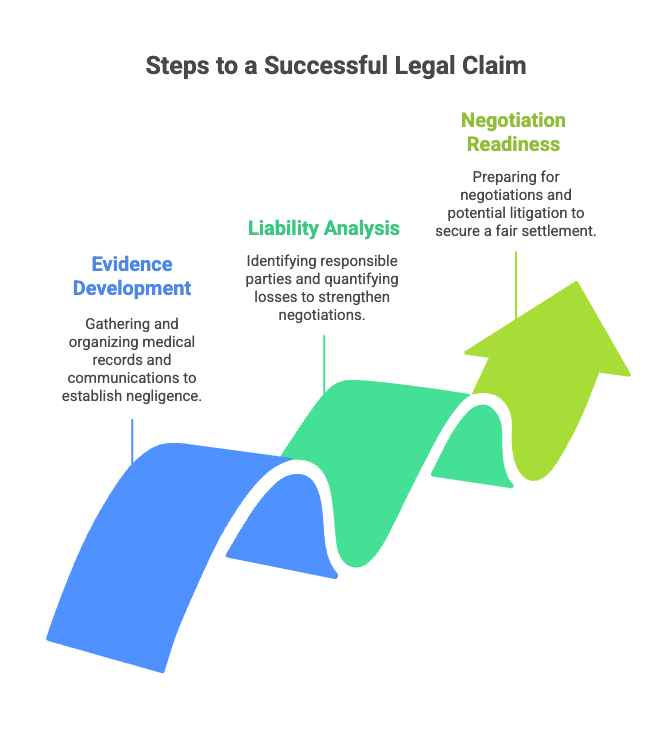
- Evidence development: Your attorney gathers medical records, imaging, and provider communications, then aligns them with standards of care to show where negligence occurred and how it harmed you.
- Liability and damages analysis: Counsel identifies responsible parties, quantifies past and future losses, and documents care needs, travel costs, and lost income, strengthening negotiations.
- Negotiation and litigation readiness: Your lawyer manages insurer communications, demands fair settlements, and, if needed, files suit, conducts discovery, and prepares expert witnesses, positioning your case for a just result that supports your recovery and service to others.
Long-Term Effects of Jaundice Disorders Injuries
You may face chronic liver complications that impair detoxification, reduce energy, and increase vulnerability to infections and cirrhosis.
If jaundice occurred in infancy or went untreated, you could experience cognitive and developmental impacts that affect learning, memory, and long-term earning capacity.
These conditions often require ongoing treatment expenses, including specialist visits, medications, monitoring, and potential procedures, which should be carefully documented for future claims.
Chronic Liver Complications
Although acute jaundice may resolve, the underlying injury can set the stage for chronic liver complications that demand vigilant monitoring and timely intervention.
You may face progressive fibrosis, cirrhosis, portal hypertension, or recurrent cholestasis, each carrying risks of bleeding, infection, or liver failure. Early recognition of warning signs, such as ascites, pruritus, dark urine, and easy bruising, helps you act promptly and protect long-term function.
You can support recovery through fatigue management, dietary adjustments, and a strict review of medications to avoid hepatotoxic agents.
Regular labs, imaging, and consultant evaluations create a documented course of care, which also strengthens causation and damages evidence. When negligence contributed to the injury, preserve records, track expenses, and maintain a symptom diary.
Coordinated care planning, combined with legal advocacy, safeguards your health and future claims.
Cognitive and Developmental Impacts
Even after the visible signs of jaundice fade, sustained bilirubin exposure and liver dysfunction can disrupt brain development and cognitive performance across the lifespan. You may see attention deficits, slowed processing speed, and memory challenges that complicate school, work, and daily problem‑solving.
Infants and children face a heightened risk of neurodevelopmental delays, speech and language disorders, and learning disabilities that require individualized support. Motor coordination, hearing, and sensory integration can also be affected, which in turn impacts social interaction and safety.
As you advocate for someone harmed by jaundice-related negligence, you should document cognitive baselines, educational impacts, and functional changes with precision.
Neuropsychological evaluations, classroom observations, and caregiver reports create a credible picture of loss. This evidence helps establish causation, quantify limitations, and safeguard the person’s long‑term independence and dignity.
Ongoing Treatment Expenses
Long‑term cognitive and developmental harms often carry a financial footprint that extends for years, and ongoing treatment costs quickly become a central issue in a jaundice injury claim.
You must plan for therapies that don’t end after discharge. Speech, occupational, and physical therapy recur, and experts monitor hearing, vision, and learning.
Ongoing medication may be necessary to manage spasticity, seizures, or related conditions, and pharmacy budgets must reflect dose changes as your child grows.
Routine labs, imaging, and pediatric neurology visits generate follow up costs that accumulate steadily.
You should also account for adaptive equipment, transportation, and respite services.
A thorough claim documents projected lifetime expenses, ties them to medical opinions, and secures funding for coordinated care, ensuring stability and dignity over time.
Proving Liability in Jaundice Disorders Medical Malpractice Injury Cases
Establishing liability in jaundice-related medical malpractice begins with proving that a provider breached the applicable standard of care and that this breach caused a preventable injury. You must first show what competent clinicians would have done under similar circumstances, then identify where the provider deviated.
Medical records, lab timelines, bilirubin levels, and nursing notes create the factual backbone. You’ll then link delayed recognition, inadequate monitoring, or improper treatment to the resulting harm.
To strengthen causation, retain qualified experts to deliver expert testimony on neonatal or adult jaundice protocols, differential diagnosis, and accepted intervention windows. Correlate these opinions with epidemiological trends that reflect expected outcomes when timely care is provided.
Compare facility policies to national guidelines, highlighting gaps in screening, escalation, and documentation. Preserve evidence promptly, send spoliation notices, and interview witnesses who observed missed warnings.
Finally, demonstrate foreseeability and proximate cause, showing that reasonable adherence to standards would have prevented the injury.
Compensation for Jaundice Disorders Damages
When jaundice-related malpractice causes preventable harm, compensation aims to make you whole by covering both economic and non-economic losses traceable to the negligence.
You can seek financial compensation for past and future medical care, hospitalization, medications, and specialized therapies.
Lost income, diminished earning capacity, and necessary home or vehicle modifications are recoverable, as are out-of-pocket expenses tied to ongoing care. You may also claim damages for pain and suffering, loss of enjoyment of life, and emotional recovery attributable to prolonged illness or disability.
If a child is affected, compensation can include developmental services, educational supports, and long-term monitoring. In severe cases, you can pursue damages for permanent impairment and the cost of life-care planning.
Your lawyer will document injuries with medical records, expert opinions, and reliable economic projections, then present a clear narrative of how negligence caused each loss. This meticulous approach strengthens settlement negotiations and preserves leverage for trial when needed.
The Statute of Limitations for Jaundice Disorders Injury Cases
Several filing exceptions may extend or pause the clock.
Common examples include minority tolling for injured newborns, incapacitation, fraudulent concealment of negligence, and continuous treatment doctrines that delay accrual until a course of care ends.
Government defendants often impose shorter notice requirements, accompanied by mandatory claim forms and strict timelines.
To protect those you serve, document symptoms, appointments, and communications immediately.
Secure records, preserve evidence, and calendar every deadline.
Early evaluation clarifies applicable limits, verifies exceptions, and prevents avoidable procedural dismissals.
Why You Need an Experienced Jaundice Disorders Injury Lawyer
Deadlines only matter if you meet them, and an experienced jaundice disorders injury lawyer guarantees you do. You face strict filing windows, intricate medical records, and insurers who minimize responsibility. A seasoned attorney protects your rights, coordinates evidence, and pursues full compensation while you focus on care.
They translate lab values, imaging results, and clinical notes into clear evidence of negligence and harm.
You also benefit from strategic case valuation. Counsel accounts for future monitoring, lost income, and the cost of Treatment alternatives when initial interventions fail. Your lawyer engages qualified experts to establish causation and standard-of-care deviations, strengthening liability and damages.
Through focused Patient advocacy, they amplify your voice, ensuring providers and payers honor your needs and obligations to those you serve.
Negotiation experience is crucial when dealing with hospital systems and carriers. If a trial is necessary, a prepared litigator presents compelling testimony and documentation. With experienced guidance, you can preserve evidence, meet deadlines, and advance toward a just recovery.
How to Choose the Right Jaundice Disorders Injury Lawyer for Your Case
Although many attorneys advertise medical malpractice experience, you need counsel with a proven track record in jaundice-related injuries and elaborate liver or neonatal care claims. Begin by evaluating case results, published verdicts, and references from families served.
Review credentials in pediatric, hepatic, and perinatal standards of care, and confirm access to qualified medical experts. Ask how the lawyer defines client expectations, including communication frequency, decision timelines, and updates after pivotal filings.
Interview multiple firms and compare the depth of their investigations, from bilirubin monitoring analyses to NICU chart audits. Clarify fee structures early, including contingency percentages, litigation costs, and who advances expert fees. Require an explicit written agreement that clearly explains cost reimbursement and outlines scenarios that may alter fees.
Assess courtroom readiness, not just settlement posture, and request a litigation plan tailored to your facts. Finally, ensure that the lawyer demonstrates empathy, disciplined advocacy, and the ability to guide you through complex medical and legal decisions with clarity.
About the Law Offices of Anidjar and Levine
Rooted in client-first advocacy, the Law Offices of Anidjar and Levine delivers disciplined representation in complex injury matters, including jaundice-related neonatal and hepatic claims.
You receive attentive counsel, rigorous case preparation, and strategic litigation designed to protect vulnerable patients and support families as they care for loved ones during recovery.
The firm coordinates medical experts, analyzes causation, and pursues accountable parties with precision.
Our firm’s history reflects a sustained commitment to ethical practice, clear communication, and measurable results. You’ll work with a team that values accessibility, provides regular updates, and answers questions promptly.
Client testimonials emphasize responsiveness, meticulous investigation, and steady guidance during stressful medical disputes, reinforcing your confidence in the process.
When you engage the firm, you gain advocates who document damages fully, preserve essential evidence, and negotiate from a position of strength. If trial is warranted, they present concise, evidence-based narratives.
Your case plan remains transparent, time-bound, and grounded in data, ensuring informed decisions at every stage.

Frequently Asked Questions
Do You Handle Cases Involving Neonatal Jaundice Due to Rh Incompatibility?
Yes, we handle cases involving neonatal jaundice from Rh incompatibility. You receive careful analysis of prenatal care, timely diagnosis, and treatment decisions, including phototherapy and exchange transfusions.
We assess whether negligence contributed to neonatal Rhopathy or bilirubin encephalopathy, then build a precise, evidence-based claim. You benefit from expert consultations, thorough record reviews, and strategic advocacy focused on accountability and long-term support. Contact us to discuss your child’s needs, potential remedies, and next steps.
Can Jaundice-Related Workplace Chemical Exposure Support an Injury Claim?
Yes, jaundice linked to workplace exposure can support an injury claim if evidence establishes Chemical causation.
You’ll need medical documentation connecting bilirubin abnormalities to specific toxins, exposure records, industrial hygiene data, and expert opinions.
You should report promptly, preserve incident logs, and seek an occupational medicine evaluation.
You can strengthen damages with wage loss proof and treatment costs.
If multiple employers or products are involved, you’ll also assess third‑party liability and workers’ compensation coordination.
Are Veterans’ Jaundice Claims Linked to Service-Related Hepatitis Covered?
Yes, they can be covered if you establish a service connection to hepatitis that caused or aggravated jaundice.
You’ll need strong, clear evidence, including service medical records documenting hepatitis exposure or diagnosis, post-service treatment records, and a medical nexus opinion linking current jaundice to service-related hepatitis. File a VA disability claim, cite in-service risk factors, and request appropriate diagnostic tests.
If denied, pursue a Higher-Level Review or appeal, supplementing gaps with expert evaluations.
Do You Coordinate With Medical Lien Holders to Reduce Client Balances?
Yes, we coordinate with medical lien holders to reduce client balances. You’ll benefit from proactive balance negotiations, accurate lien audits, and timely communications that safeguard your recovery.
We verify billing accuracy, challenge duplicative or unrelated charges, and pursue statutory or contractual reductions. We also negotiate with hospitals, insurers, and government programs, ensuring compliance and documentation.
Our goal is to maximize your net outcome, honor your care providers, and resolve medical liens efficiently and transparently.
Can You Assist With Insurance Bad-Faith Claims Tied to Jaundice Treatment?
Yes, I can assist with insurance bad-faith claims tied to jaundice treatment. You’ll receive strategic insurance litigation guidance, including policy analysis, preservation of evidence, and timely demand letters.
I’ll evaluate claim denial trends, identify unfair claim practices, and build a medical and billing record to prove damages. I’ll negotiate firmly, escalate to regulatory complaints when warranted, and litigate for benefits, interest, and attorney’s fees, ensuring accountability while you remain focused on serving your client’s health needs.
—————-
You deserve clear answers, vigorous advocacy, and real results. If jaundice-related negligence harmed you or your child, don’t wait.
Preserve evidence, get prompt medical evaluation, and let experienced counsel protect your claim.
Our team investigates causation, consults leading experts, and seeks full compensation for medical care, lost income, and long-term needs.
We’re ready to negotiate firmly or take your case to trial.
Contact the Law Offices of Anidjar and Levine today for a confidential, no-obligation consultation and focused legal guidance.
Learn more: Birth Injury Lawyer