



1.0 Introduction: Defining the Scope and Significance
This document presents an in-depth case study of the dynamics of lane-change collisions in Tampa, Florida. While such accidents are common, they are precipitated by a distinct set of contributing factors and result in specific consequences shaped by Tampa’s unique traffic environment. This study analyzes the primary causes of these incidents, their multifaceted impacts on victims, and the established legal framework for seeking recourse, drawing on expert analysis provided by the Law Offices of Anidjar and Levine.
Learn More: Tampa Lane Change Accident Injury Lawyer
The central problem stems from a driver’s failure to adhere to fundamental safety protocols during routine maneuvers. This negligence creates a core problem: “Failing to check blind spots and signal lane changes transforms routine driving maneuvers into potentially catastrophic collisions on Tampa’s congested highways.” This negligence, when combined with local roadway conditions, creates a significant public safety issue. This analysis will first examine the specific environmental factors in Tampa that exacerbate the risks associated with improper lane changes.



2.0 Environmental Context: Analyzing Tampa’s Unique Roadway Challenges
A strategic understanding of the local environment is critical to analyzing traffic accident patterns. Collisions are not isolated events; they are influenced by a combination of geographic, atmospheric, and situational factors that define a specific roadway’s risk profile. In Tampa, several environmental elements consistently contribute to the frequency and severity of lane change accidents.
- Urban Traffic Patterns: Tampa’s roadway network presents unique challenges due to fluctuating traffic density. The varying congestion levels across its interstate highways, arterial roads, and downtown corridors demand heightened driver awareness, and the failure to adapt to these changing patterns increases the likelihood of a collision.
- Visibility Factors: Environmental conditions that reduce visibility play a significant role in these incidents. Adverse weather and the inherent difficulties of nighttime driving impair a motorist’s ability to accurately judge distances and the speed of other vehicles, elevating the risk during lane changes.
- Speed Differentials: A significant difference in speed between adjacent lanes creates inherently hazardous conditions. When faster-moving vehicles attempt to merge into lanes with slower traffic without allowing for adequate space and time, the potential for a serious accident increases dramatically.
While these environmental conditions create a baseline of risk on Tampa’s roadways, they do not cause accidents in isolation. Rather, they act as risk multipliers, amplifying the consequences of the specific, preventable driver behaviors that are the true genesis of these collisions.
3.0 Etiology of Collisions: A Taxonomy of Driver Negligence
While environmental factors may set the stage, the primary cause of lane change accidents is preventable driver error. These incidents are overwhelmingly the result of negligence, where a motorist fails to exercise the reasonable care required to operate a vehicle safely. This section deconstructs the four most common forms of driver negligence observed in Tampa’s lane change collision cases.
3.1 Failure to Check Blind Spots
A driver’s reliance on mirrors alone is insufficient for executing a safe lane change, as mirrors have significant blind spots. The failure to perform a physical head check is a leading cause of these collisions. While modern blindspot technology can act as a valuable safeguard by alerting drivers to the presence of other vehicles, it is not a substitute for vigilant driving habits. Therefore, the physical head check is not a recommendation but a non-negotiable component of a driver’s duty of care, and its neglect can lead to devastating injuries.
3.2 Improper Signal Usage
Turn signals are a primary tool for communicating a driver’s intentions. Improper signal usage manifests in two distinct but equally dangerous ways: neglecting to signal at all or activating the signal too late to provide adequate warning. Both failures deny surrounding drivers the necessary time to react and adjust their speed or position. This breakdown in communication transforms a routine lane change into an unpredictable and hazardous event, placing other responsible motorists at risk.
3.3 Distracted Driver Behavior
Distracted driving compromises a motorist’s ability to safely operate a vehicle by diverting their attention from the road. These distractions are categorized as cognitive, visual, or manual. Common examples cited in collision cases include cellphone use, adjusting a radio, eating, or reaching for an item inside the vehicle. Each of these actions impairs a driver’s capacity to monitor surrounding traffic, accurately judge gaps, and observe vital environmental cues, making a safe lane change impossible.
3.4 Aggressive Lane Weaving
Aggressive lane weaving is characterized by a driver darting between lanes at excessive speeds, often motivated by impatience and a reckless disregard for the safety of others. This behavior is particularly dangerous on high-density roads like I-275 and the Veterans Expressway. Drivers engaged in aggressive weaving consistently underestimate the time and space required to execute maneuvers safely, cutting across multiple lanes and leaving insufficient room for other vehicles. This pattern of high-risk behavior dramatically amplifies the potential for a serious collision.
These negligent actions are the direct cause of collisions that inflict profound and lasting harm on innocent victims.


4.0 The Human Toll: Long-Term Consequences for Accident Victims
A comprehensive assessment of damages resulting from a lane change accident must extend beyond immediate, visible injuries. To fully understand the impact of such an event, it is crucial to account for the chronic physical, psychological, and financial burdens that victims and their families endure over the long term. These cascading consequences can fundamentally alter a person’s quality of life for years or even a lifetime.
Chronic Pain and Disability
The physical aftermath of a collision often involves more than a standard recovery period. Initial injuries can evolve into debilitating chronic pain, persistent fatigue, and, in severe cases, permanent disability. These conditions can prevent an individual from returning to their career, fulfilling family responsibilities, and engaging in activities they once enjoyed. The ongoing need for pain management and lifestyle adjustments places a significant and continuous strain on the victim.
Psychological Trauma and PTSD
The “invisible injuries” of a traffic accident are often the most difficult to overcome. Many victims experience profound psychological trauma, including Post-Traumatic Stress Disorder (PTSD). Symptoms can include intrusive memories of the crash, debilitating flashbacks, and a sense of emotional numbing used as a defense mechanism against overwhelming anxiety. These conditions can strain personal relationships, hinder professional performance, and severely diminish a person’s overall quality of life.
Cumulative Financial Burden
The financial impact of a serious accident extends far beyond initial emergency room bills. Victims face the pressure of rising medical costs for ongoing treatments, physical therapy, and prescription medications. This is often compounded by the effect of lost wages during recovery. In cases of severe injury, a victim may suffer a permanent diminishment of future earning capacity, affecting their long-term financial security. This cumulative burden can create devastating economic pressure on an entire family.
To address these profound and varied damages, Florida law provides a clear framework for victims to seek justice.
5.0 The Legal Framework for Recourse in Florida
Florida law provides a specific legal framework for victims of negligent driving to seek justice and obtain fair compensation for their losses. This framework establishes the fundamental rights of accident victims and outlines the legal principles that govern liability and financial recovery in personal injury claims. Understanding these components is the first step toward holding an at-fault driver accountable.
As a victim, you have fundamental rights that include:
- The right to file a personal injury claim against the negligent driver.
- The right to demand compensation for medical expenses, lost wages, and pain and suffering.
- The right to proper evidence preservation through accident scene documentation and witness statements.
- The right to legal representation when facing insurance disputes.
- The right to reject inadequate settlement offers that do not reflect the true value of your damages.
Under Florida’s comparative negligence law, a victim can still recover damages even if they are found to be partially at fault for the accident. In such cases, the total compensation award is simply reduced by the victim’s percentage of responsibility.
Crucially, Florida imposes a strict statute of limitations on personal injury claims. Victims have four years from the date of the accident to file a lawsuit. Failure to take legal action within this timeframe typically results in the permanent loss of the right to seek compensation. This makes timely consultation with an attorney essential to preserve all legal options.
The core challenge in any claim is proving the other driver’s liability. This requires a thorough investigation to demonstrate that the driver violated traffic laws or failed to exercise reasonable care. Key methods for establishing fault include gathering physical evidence like traffic camera footage and witness statements, analyzing vehicle damage patterns to determine the point of impact, and engaging forensics reconstruction experts to recreate the accident sequence.
Protecting these rights begins with the actions a victim takes in the immediate aftermath of the collision.
6.0 Post-Accident Protocol: Critical Actions for Victims
The actions taken in the hours and days immediately following a lane change collision are critical for both preserving your health and protecting your legal rights. Adhering to a clear protocol can significantly influence the outcome of a personal injury claim by ensuring that crucial evidence is secured and a clear link between the accident and your injuries is established.
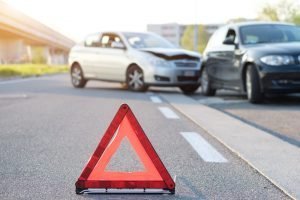
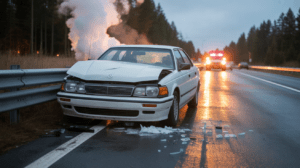
- Document the Crash Scene Thorough documentation creates a factual record of the event that can be indispensable when liability is disputed. It is essential to take photographs from multiple angles, capturing the final positions of the vehicles, any skid marks, traffic signals, and general road conditions. In addition, collect the contact information of any witnesses who observed the collision. Making detailed notes about the weather, visibility, and traffic patterns at the time of the accident provides valuable context.
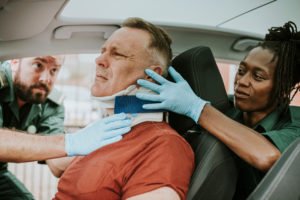
- Seek Immediate Medical Attention Your health is the top priority. It is imperative to seek a professional medical evaluation within 24 hours of an accident, even if you feel uninjured. Many serious conditions, such as internal injuries or soft tissue damage, may not present symptoms immediately. A prompt medical examination not only addresses potential hidden injuries but also creates a vital, time-stamped record that formally links your harm to the accident. This documentation is crucial for legal proceedings.
- Contact an Experienced Tampa Lawyer Early legal intervention is crucial for protecting your interests. Contacting a qualified attorney as soon as possible ensures that evidence is preserved and that you have a professional advocate. Insurance companies often move quickly to obtain statements or offer low settlements. An experienced lawyer can handle all communications with insurers, protecting you from tactics designed to minimize your claim, and begin the process of building a strong case for maximum compensation.
Once your immediate health and safety are secured, the next step involves finding the right legal partner to manage your claim.
7.0 Selecting Legal Representation: Key Evaluation Criteria
Choosing the right attorney is one of the most important decisions an accident victim will make, as it can define the success of their claim. A diligent evaluation of potential legal counsel is necessary to ensure you partner with a firm that has the experience, resources, and commitment to secure the compensation you deserve. The following criteria provide a guide for this selection process.
- Proven Track Record: Assess the lawyer’s demonstrated history of success in handling lane change accident cases specifically. A strong track record indicates familiarity with the nuances of these claims and the ability to navigate complex insurance negotiations.
- Communication Style: Evaluate the attorney’s responsiveness and their commitment to keeping you informed about the progress of your case. You should feel comfortable asking questions and confident that you will receive clear, prompt answers.
- Fee Structure: Understand the firm’s payment model. Most reputable personal injury firms work on a contingency fee basis, meaning you pay no attorney fees unless they recover compensation for you. This structure aligns the attorney’s interests directly with yours.
- Reputation and Credentials: Review client testimonials and the attorney’s professional standing in the legal community. Positive feedback from previous clients is a strong indicator of proficiency and dedication.
- Firm Resources: Consider whether the firm has the necessary resources and willingness to take a case to trial if a fair settlement cannot be reached. This readiness demonstrates to insurance companies that the firm is prepared to fight for a just outcome.
8.0 Frequently Asked Questions (FAQs)
This section addresses common questions that arise for victims of lane change accidents in Tampa, providing clear and concise information on key legal and procedural concerns.
What if the Other Driver Fled the Scene After the Lane Change Accident?
If you are the victim of a hit-and-run, the first steps are to report the incident to law enforcement and your own insurance company. An investigation will be launched to identify the at-fault driver by preserving eyewitness accounts, gathering surveillance or traffic camera footage, and collecting any available information about the fleeing vehicle.
Can I Still Recover Damages if I Was Partially at Fault?
Yes. Under Florida’s comparative negligence law, you can still recover damages even if you are found to share some responsibility for the collision. Your final compensation award will be reduced in proportion to your assigned percentage of fault. For example, if you were found 20% at fault, your recovery would be reduced by 20%.
How Much Does Hiring a Tampa Lane Change Accident Lawyer Cost?
Most personal injury lawyers work on a contingency fee basis. This means you do not pay any upfront costs or retainer fees. The attorney’s fees are paid as a percentage of the final settlement or award, but only if they successfully recover compensation on your behalf. This arrangement ensures legal representation is accessible to everyone, regardless of their financial situation.
Will My Insurance Rates Increase After Filing a Lane Change Accident Claim?
Filing a claim may affect your insurance premiums, but it is not guaranteed. Insurers consider various factors, including your driving record, the severity of the claim, and their internal policies. An increase is possible even when you are not at fault. If you experience a significant rate hike, it is advisable to shop for a new policy to find more favorable terms.
Can I Switch Lawyers if Unhappy With My Current Legal Representation?
Yes, you have the right to change legal counsel at any point during your case if you are dissatisfied. You will need to provide written notification to your current lawyer and ensure any existing fee agreements are properly addressed. A new firm can then take over your case and work to better serve your interests.
9.0 Conclusion: Summary of Findings
This case study concludes that lane change accidents in Tampa are not random events, but predictable outcomes born from the volatile interaction between specific forms of driver negligence and the inherent pressures of the region’s unique traffic environment. The consequences for victims are severe, often resulting in long-term physical, psychological, and financial burdens that fundamentally alter their lives. A clear understanding of Florida’s legal framework, combined with swift, decisive action in the aftermath of a collision, is essential for victims to protect their rights and secure the full and fair compensation deserved for the harm suffered.
Contact the Tampa Car Accident Lawyer at the Law Offices of Anidjar and Levine today for a free consultation to discuss your case and explore your legal options.

We Can Help.