




This document serves as a strategic analysis for legal professionals navigating the complexities of surgical error malpractice claims. Its purpose is to provide a comprehensive reference for understanding the core components of these claims under Florida law, from the foundational legal principles that govern liability to the advanced case management strategies required for a successful outcome.
Learn More: Florida Hospital Surgical Error Injury Lawyer



1.0 The Legal Framework for Surgical Malpractice in Florida
1.0.1. Section Introduction
A strategic mastery of the foundational legal elements is paramount in any medical malpractice claim. A successful case is not built on a single piece of evidence, but on a meticulous, evidence-based demonstration of each required component of liability. Understanding this framework is the first step toward building a compelling and defensible claim on behalf of an injured client.
1.0.2. Deconstructing the Four Pillars of Liability
To prove liability in a Florida surgical error case, a plaintiff must establish four core elements of medical malpractice. These pillars form the structure of the entire claim:
- Duty: The plaintiff must demonstrate that the surgeon or hospital owed a duty of competent care to the patient.
- Breach: It must be proven that the provider breached this duty by deviating from the accepted standard of care.
- Causation: The plaintiff must establish a direct link showing that the breach of duty was a substantial factor in causing the patient’s injury.
- Damages: The plaintiff must prove that they suffered actual harm, which can be quantified as economic or non-economic losses.


1.0.3. The Centrality of the “Standard of Care”
In a surgical context, liability hinges on proving a deviation from the established “standard of care.” This is the level and type of care that a reasonably prudent and skillful healthcare provider, with a similar background and in the same medical community, would have provided under the same circumstances. Under Florida law, establishing this standard and proving a breach of it is not a matter of general opinion; it is typically anchored by the testimony of qualified medical experts who can translate complex medical records and operative notes into clear evidence.
1.0.4. Establishing Causation: The Substantial Factor Test
Florida’s causation standard requires the plaintiff to demonstrate that the surgical error was a “substantial factor” in causing the resulting injury. This means the breach of care does not have to be the only cause, but it must be a material and significant contributor to the harm. This is often proven through clinical timelines, differential diagnoses provided by expert witnesses, and a methodical correlation between the alleged error and the patient’s subsequent symptoms and clinical findings.
1.0.5. Anticipating Defenses: Comparative Negligence
Counsel must anticipate potential defenses, including the doctrine of comparative negligence. This legal principle involves evaluating whether any conduct by the plaintiff contributed to the harm suffered. While safeguarding the client’s rights, a thorough analysis must account for any facts that could be used to argue the patient bears partial responsibility for their outcome.
1.0.6. Section Conclusion & Transition
Having established the legal “what” that must be proven, the analysis must now turn to the factual “why” by examining the common root causes that give rise to these devastating errors.
2.0 Common Etiologies of Surgical Errors: An Investigative Guide
2.0.1. Section Introduction
A strategic investigation benefits immensely from an understanding of the common root causes of surgical errors. This knowledge is a critical tool for legal professionals, allowing them to focus investigative resources, identify systemic failures within a hospital’s protocols, and frame a compelling narrative that explains not only what happened, but how it was allowed to happen.
2.0.2. Analysis of Common Error Categories
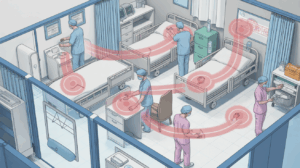
Systemic and Team-Based Failures Many surgical errors are not the result of a single individual’s mistake but rather a cascade of failures in team communication and institutional planning. A thorough investigation must scrutinize these systemic vulnerabilities.
- Breakdowns in closed-loop communication: Errors occur when instructions are unclear, read-backs are skipped, or team hierarchy discourages junior members from voicing safety concerns.
- Failure to conduct standardized time-outs: Skipping or rushing this critical final check can lead to confusion about the patient, procedure, or surgical site.
- Incomplete patient histories or verification of comorbidities: A failure to gather and review a complete patient history can leave predictable risks, such as allergies or medication interactions, unmanaged.
- Insufficient preoperative imaging: Inadequate imaging can obscure anatomical variations, leading to an incorrect surgical approach, unexpected bleeding, or other complications.
Procedural and Equipment-Based Failures Beyond team dynamics, errors can arise from direct procedural mistakes or the failure of the tools required for a safe surgery.
- Deviations from anesthesia protocols: Errors in medication dosing, calculation, or labeling can cause catastrophic harm, including respiratory depression or cardiac instability.
- Lapses in vigilant patient monitoring: A failure to notice and respond to changing vital signs or equipment alarms can turn a manageable issue into a crisis.
- Failure to follow rigorous equipment maintenance and inspection protocols: When facilities do not document inspections or replace parts on schedule, equipment can malfunction at a critical moment.
- Failure to track and act on device recalls: Hospitals may be liable if they fail to remove recalled devices from service and an injury results from the known defect.
2.0.3. Section Conclusion & Transition
Understanding the common ways in which errors occur provides a roadmap for investigation; the next step is to execute the practical and methodical process of building a case to prove they did.
3.0 Strategic Case Development: From Intake to Litigation
3.0.1. Section Introduction
The development of a surgical error claim is a methodical process that demands immediate, strategic action. From the moment an injury is suspected, every step taken can either strengthen or weaken the foundation of a future claim. The actions outlined in this section are designed to preserve the client’s rights, build evidentiary strength, and maximize leverage against insurers and defendants.
3.0.2. Critical Initial Steps for Claim Preservation
Immediately following a suspected surgical error, three actions are paramount to protecting both the patient’s health and their legal rights.
- Prioritize Urgent Medical Care: The first and most important priority is to stabilize the patient’s medical condition. This may involve seeking care at an emergency department, especially in cases of severe pain, fever, or bleeding, to address complications and prevent further harm.
- Secure and Document All Evidence: A meticulous effort must be made to gather and preserve all relevant evidence. This includes requesting complete medical records, operative reports, and anesthesia logs, as well as taking photographs of injuries and documenting recollections of events and witness names.
- Engage Experienced Legal Counsel: Promptly consulting with an attorney is critical. Early engagement helps ensure that crucial deadlines are met, evidence is properly preserved, and the client is shielded from insurer tactics designed to minimize or deny the claim.
3.0.3. The Attorney’s Investigative Protocol
Once engaged, experienced counsel initiates a comprehensive investigative protocol to build the case from the ground up. This process typically includes:
- Gathering and analyzing all medical records, operative reports, nursing documentation, and relevant hospital policies.
- Retaining board-certified medical experts for an independent and credible analysis of the standard of care and causation.
- Calculating the full scope of both economic and non-economic damages, often with the help of life-care planners and vocational experts.
- Managing all communications with insurers, hospital representatives, and other providers to protect the client and prevent missteps.
- Preparing the case for trial from the outset, a strategy that strengthens the client’s position during settlement negotiations.
3.0.4. Navigating Florida’s Presuit Requirements
Before a medical malpractice lawsuit can be filed in Florida, claimants must comply with mandatory presuit requirements. This process involves a period of investigation and providing formal notice to the potential defendants. These are critical procedural hurdles that must be successfully cleared, and failure to do so can result in the dismissal of a claim. This process is not merely a formality; it directly impacts the calculation of filing deadlines, a critical strategic consideration that will be detailed further in Section 5.0.
3.0.5. Section Conclusion & Transition
With the case development process mapped out, the focus must shift to the substance of the claim—specifically, a comprehensive assessment of the full scope of harm and damages that must be proven.
4.0 Quantifying Harm: A Comprehensive Framework for Damages Assessment
4.0.1. Section Introduction
Achieving a just outcome in a surgical error claim depends on a precise and comprehensive valuation of damages. A superficial accounting of medical bills is insufficient; a successful claim must identify, document, and calculate the full spectrum of losses—past, present, and future—that result from the provider’s negligence. This section provides a framework for that critical assessment.
4.0.2. Analyzing the Long-Term Consequences
The true impact of a surgical error often extends far beyond the initial hospital stay. A thorough damages model must account for these lasting effects.
| Type of Harm | Key Manifestations and Considerations |
| Chronic Pain and Disability | Includes reduced range of motion, nerve damage, persistent inflammation, chronic fatigue, and the need for mobility aids or home modifications. |
| Psychological Trauma & PTSD | Encompasses anxiety, depression, hypervigilance, intrusive memories, sleep disruption, and avoidance of necessary medical settings. |
| Ongoing Medical Costs | Covers future expenses such as revision surgeries, long-term rehabilitation, prescription management, pain management, and home health services. |
4.0.3. Categorization of Recoverable Damages
Under Florida law, compensation is categorized into distinct types of damages, each requiring specific evidence for recovery.
- Economic Damages: These are tangible, calculable financial losses.
- Medical Expenses (past and future), including attendant care, transportation, and necessary modifications to the home.
- Lost Wages and Diminished Earning Capacity
- Loss of Benefits
- Non-Economic Damages: These compensate for the intangible, human costs of the injury.
- Pain and Suffering
- Mental Anguish
- Loss of Enjoyment of Life
- Loss of Consortium (harm to the spousal relationship)
- Punitive Damages:
- Note that these are rarely awarded but may be sought in cases where the evidence demonstrates gross misconduct or intentional harm.
4.0.4. Section Conclusion & Transition
While defining the full scope of damages is essential, the right to recover them is governed by strict procedural deadlines that must be meticulously observed.
5.0 Navigating Florida’s Procedural Deadlines
5.0.1. Section Introduction
In medical malpractice litigation, time is a critical and unforgiving element. The right to pursue a claim is not indefinite, and a failure to act within the prescribed timeframes can permanently bar a client’s case, regardless of its merits. A thorough understanding of Florida’s statutes of limitations and repose is therefore non-negotiable for preserving a client’s claim.
5.0.2. Deconstructing the Filing Deadlines
Florida’s timing rules are complex and require careful calculation and management. Key deadlines include:
- The Statute of Limitations: Claimants generally have two years to file a lawsuit, with the clock starting from the time the injury was known or reasonably should have been known to be caused by medical negligence.
- The Statute of Repose: Florida imposes a four-year absolute deadline on most claims, measured from the date of the incident. This acts as a final cap, even if the injury was not discovered until later. Rare exceptions may exist for cases involving fraud, concealment, or misrepresentation by the provider.
- Rules for Minors: While special rules may extend the timeline for claims involving minors, these are still constrained by the statute of repose.
- Impact of Presuit Process: The initiation of the mandatory presuit notice and investigation period formally tolls, or pauses, the statute of limitations for 90 days. Counsel must meticulously manage this period, as the clock resumes thereafter. This tolling provision must be strategically factored into all deadline calculations to ensure the lawsuit is timely filed.
5.0.3. Section Conclusion & Transition
Beyond these general procedural rules, counsel must be prepared to address more nuanced, case-specific issues of liability and evidence that frequently arise.
6.0 Advanced Liability and Evidentiary Considerations
6.0.1. Section Introduction
Surgical error cases can present complex scenarios that significantly alter case strategy and the scope of liability. A comprehensive analysis must extend beyond the actions of a single surgeon to include institutional practices, contractual relationships, and the integrity of physical evidence. This section addresses nuanced issues that require specialized analysis.
6.0.2. Liability for Independent Contractor Surgeons
A common complexity arises when the surgeon at fault is an independent contractor rather than a direct employee of the hospital. While liability often shifts to the surgeon, the hospital may still be held liable under a theory of “apparent agency” if it presented the doctor to the public as its agent. This is investigated by examining hospital representations, signage, and billing practices. A primary investigative step is to obtain and scrutinize the surgeon’s contract and the patient’s consent forms for language defining the relationship and assigning liability. Furthermore, the hospital could face direct liability for its own negligence in credentialing a surgeon it knew or should have known was unqualified.
6.0.3. Protocol for Preserving Physical Evidence
When a surgical instrument or medical device is suspected to be a cause of injury, preserving it as evidence is paramount. The following protocol is essential to prevent spoliation:
- Issue an immediate written preservation notice to the hospital, demanding that the items be retained intact.
- Insist the items remain sealed and unopened to maintain a clear and unbroken chain of custody.
- Obtain detailed photographic documentation of the items, their packaging, and any identifying marks or serial numbers.
- Collect all accompanying records, such as device maintenance logs, sterilization reports, and vendor service records.
6.0.4. Protecting Client Privacy
In cases involving highly sensitive medical information, a client may wish to proceed without their name being made public. It is sometimes possible to file a case anonymously or using a pseudonym, but this is subject to court rules and is not an automatic right. A motion must typically be filed demonstrating that public disclosure would create a significant risk of harm, stigma, or exposure of deeply personal medical information.
6.0.5. Section Conclusion & Transition
These advanced considerations highlight the multifaceted nature of surgical error claims and underscore the need for a comprehensive, strategic approach from intake through resolution.
7.0 Conclusion: Key Strategic Imperatives for Counsel
The successful management of a Florida surgical error claim demands a synthesis of legal acumen, investigative rigor, and strategic foresight. The most critical takeaways for legal professionals are clear: immediate investigation to secure facts and witness recollections; meticulous preservation of all medical and physical evidence; early reliance on qualified, board-certified experts to establish the standard of care and causation; comprehensive damages modeling that accounts for all long-term consequences; and strict, proactive adherence to Florida’s unique presuit requirements and statutes of limitations. By mastering these imperatives, counsel moves beyond mere case management to strategic advocacy, positioning their clients to achieve the full measure of accountability and compensation they deserve.


We Can Help.