




If you’re facing paralysis after an accident in Miami, you need a lawyer from Law Offices of Anidjar and Levine who can act fast to protect your health and your claim.
You’ll want help preserving evidence, securing incident reports and video, and organizing medical records that show symptom progression and causation.
Your attorney can identify liable parties, manage insurer communications, and pursue damages for lifelong care, lost income, home modifications, and reduced independence.
If your paralysis may involve negligent medical care, you can also review your options with a Miami Medical Malpractice Lawyer.
Continue below to see the next steps and timing issues.



Main Takeaways
- Get emergency medical care immediately; early imaging and records can protect your health and strengthen a Miami paralysis injury claim.
- Preserve evidence fast: photos, measurements, witness contacts, incident reports, and written requests to save surveillance footage.
- Miami paralysis cases often stem from car/truck crashes, slip-and-falls, workplace/construction accidents, or medical negligence, causing spinal cord damage.
- A Miami paralysis injury lawyer identifies liable parties, gathers records, hires experts, calculates future care costs, and handles insurers and litigation.
- Act quickly to avoid lost evidence and missed filing deadlines; ask about contingency fees, upfront case costs, and a written case plan.

How We Can Help With Your Miami Paralysis Injury Claim
Because a paralysis injury can reshape every part of your life, you need a legal team that moves quickly to secure evidence, identify all liable parties, and pursue compensation that reflects both your immediate losses and long-term needs.
Paralysis changes everything—so your legal team must act fast, find every liable party, and pursue full long-term compensation.
You can rely on us to coordinate investigators, obtain incident reports, preserve video and digital records, and consult qualified medical and life-care professionals so your claim reflects future care, accessibility needs, and lost earning capacity.
You’ll receive clear guidance on documentation, deadlines, and communications, while we protect you from pressure tactics and incomplete settlement offers.
If travel is difficult, you can use Remote Consultations to review strategy, sign documents, and stay informed without added strain.
With dedicated Technology Support, you’ll securely share records and efficiently track next steps.
Throughout the process, you’ll see service-minded advocacy that honors your family, your caregivers, and the community you continue to support.
Understanding Miami Paralysis Injury Cases
Strong advocacy starts with knowing how paralysis injury claims typically arise in Miami and what insurers and defendants will challenge from the outset.
You’ll face early disputes over liability, medical causation, and whether your impairment is temporary or permanent, so you must organize records, timelines, and witness information with discipline.
You also need to understand how damages are framed, including future care, adaptive equipment, home modifications, and lost earning capacity, because undervaluation often begins in the first exchange.
A historical overview of local verdict patterns and settlement behavior helps you anticipate negotiation pressure, while insurance trends show how carriers increasingly rely on surveillance, social media reviews, and hired experts to minimize payouts.
You can serve your family and community best by preparing for these tactics, staying consistent in treatment, and documenting daily limitations.
When you approach your case methodically, you protect your credibility and strengthen every demand you make.


Common Causes of Miami Paralysis Injuries
In Miami, you can suffer paralysis after car and truck crashes, slip and fall accidents, workplace and construction injuries, or medical malpractice errors.
When you understand how these events commonly lead to spinal cord or brain trauma, you’re better positioned to identify liability and protect your claim.
You’ll see that each cause involves distinct evidence, insurance tactics, and timelines that can shape your recovery and legal strategy.
Car And Truck Crashes
Although many paralysis cases trace back to falls or medical events, car and truck crashes remain one of the most common causes of paralysis injuries in Miami, often due to the sheer force involved and the vulnerability of the spinal cord during sudden impact.
When you serve others on the road, you also share responsibility for preventing catastrophic harm, especially in high-speed corridors and congested intersections.
You may see paralysis result from Distracted Driving, where a brief glance away causes violent rotation of the neck or a crushing blow to the back.
Truck-related impacts can be even more severe, and Underride Collisions may expose you to direct intrusion beneath a trailer, leaving little protection for your spine.
If you support a victim, document the scene, identify witnesses, and preserve vehicle and electronic data promptly, to protect future care needs.
Slip And Fall Accidents
When a property owner ignores known hazards, a simple slip and fall can turn into a spinal cord injury that changes every aspect of your life.
You may encounter wet entryways, uneven flooring, loose rugs, or missing handrails, and a single misstep can cause a violent impact that damages your neck or back.
Poor upkeep often combines with lighting hazards in stairwells, hallways, and parking areas, leaving you unable to see level changes or debris in time to react.
Although preventive footwear may reduce risk, it can’t excuse negligent maintenance or inadequate warnings.
If you’re committed to serving others, you also understand accountability matters.
You can document the scene, report the condition promptly, and seek legal guidance to protect your care needs and future stability.
Workplace And Construction Injuries
Property hazards don’t just appear in stores and apartment buildings; they also show up on job sites where heavy equipment, tight schedules, and layered subcontractors increase the stakes.
If you serve others through construction, logistics, or facility work, you may face risks that can lead to paralysis, including falls from scaffolds, trench collapses, crane or forklift strikes, and contact with energized lines.
You can’t rely on goodwill alone when schedules compress, and oversight breaks down. Strong Safety Training helps you recognize unstable surfaces, improper fall protection, and unsafe rigging before a shift turns catastrophic.
Consistent Equipment Maintenance reduces failures in lifts, ladders, harnesses, and power tools, which can cause spinal trauma.
When contractors cut corners, you’re entitled to accountability and safer practices for everyone on site.
Medical Malpractice Errors
Because paralysis often stems from a catastrophic breakdown in medical judgment or procedure, medical malpractice errors remain a serious and preventable cause of life-altering spinal injuries in Miami.
When you serve patients, you’re obligated to protect their mobility and dignity, yet avoidable failures still occur in hospitals, surgical suites, and emergency settings.
Surgical negligence may injure the spinal cord through improper technique, delayed intervention, or poor post-operative monitoring, while medication errors can cause stroke, hypoxia, or uncontrolled bleeding that triggers permanent neurological loss.
| Error Type | How It Happens | Potential Result |
|---|---|---|
| Surgical negligence | Wrong level, mishandled instruments | Spinal cord damage |
| Medication errors | Wrong drug or dose | Neurologic injury |
| Missed diagnosis | Delayed imaging or consult | Worsened compression |
Legal Rights of Miami Paralysis Injury Victims
Although a paralysis injury can alter every part of your life, Florida law still gives you clear legal rights to pursue compensation and hold the responsible parties accountable.
Even after paralysis, Florida law protects your right to seek compensation and hold negligent parties fully accountable.
You may seek damages for medical care, lost income, reduced earning capacity, home modifications, and long-term support, and you can do so while honoring your commitment to protect your family and serve your community.
- You can demand payment for current and future treatment, rehabilitation, and assistive technology
- You can pursue recovery for wages, benefits, and diminished earning power over time
- You can claim non-economic losses tied to pain, suffering, and loss of independence
- You can assert Privacy Rights, limiting improper access to your medical information

You may also qualify for Disability Benefits, yet those programs don’t erase a negligent party’s responsibility.
When multiple actors contributed, Florida permits claims against each contributor, including insurers and corporate entities, so accountability extends to the full chain of harm.


Steps to Take After a Miami Paralysis Injury
After a Miami paralysis injury, you must seek immediate medical care because prompt treatment protects your health and creates vital records of your condition.
You should document the injury scene as soon as it’s safe, taking photos, preserving contact information for witnesses, and noting hazards or involved parties.
You also need to contact a Miami lawyer quickly, so you don’t compromise evidence, miss deadlines, or make statements that weaken your claim.
Seek Immediate Medical Care
When paralysis is even a possibility, you need medical care right away, even if the pain seems manageable or symptoms come and go.
You should call 911 or get to an emergency department, because early imaging and stabilization can protect your spinal cord and reduce secondary damage.
If travel is unsafe, ask a trusted person to arrange a telemedicine triage so a clinician can advise next steps without delay.
You must follow the treatment plan precisely, take medications as directed, and accept referrals for neurology, orthopedics, or rehabilitation when offered.
Keep Symptom monitoring consistent, note changes in strength, sensation, balance, bladder or bowel control, and breathing.
Document The Injury Scene
Documenting the injury scene can preserve vital evidence before it is lost or distorted.
If you’re physically able or if a trusted helper can assist, begin with Photo Documentation from multiple angles, capturing hazards, warning signs, vehicle positions, and any visible damage.
Record the time, weather, lighting, and traffic patterns, since these conditions often change quickly.
Use Environmental Measurements when possible, noting distances, skid marks, stair heights, curb drops, or gaps in flooring, and include a clear reference object for scale.
Collect the names and contact information of witnesses, and write a brief, factual account while details remain fresh.
If a business or property is involved, note the exact location and request that any available surveillance footage be preserved.
This service-minded diligence protects others by promoting accountability.
Contact A Miami Lawyer
How quickly you contact a Miami paralysis injury lawyer can shape the strength of your claim, especially while evidence remains available and insurers are forming their positions.
You can protect your ability to serve your family and community by getting guidance before you sign releases, give recorded statements, or accept early offers that undervalue lifelong care.
Bring your medical records, incident photos, witness names, and any communication from insurers so your lawyer can act immediately.
Ask about fee transparency, including costs, timelines, and whether you owe anything if recovery isn’t obtained.
If travel is difficult, request virtual consultations to review documents and plan next steps.
Your lawyer can preserve evidence, coordinate experts, and calculate future losses with precision.
How a Miami Paralysis Injury Lawyer Can Help You
After a life-altering paralysis injury, you may wonder what a Miami paralysis injury lawyer can realistically do to protect your rights and your future.
You don’t have to face insurers, paperwork, and legal deadlines alone, especially when you’re focused on caring for yourself and those who rely on you.
A lawyer can take immediate, service-minded action, including:
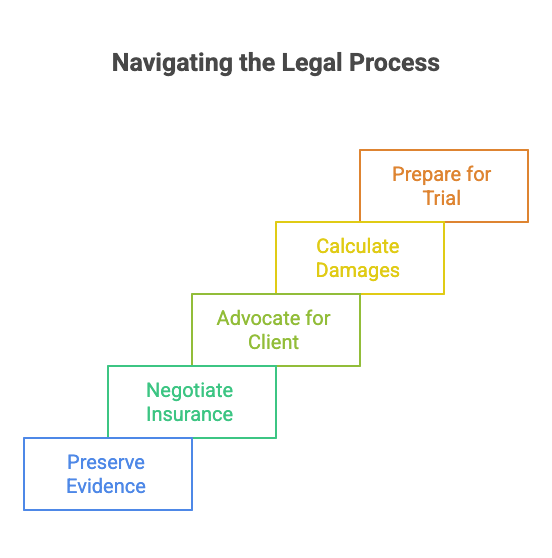
- Preserving evidence, obtaining records, and coordinating qualified experts
- Handling Insurance Negotiation to challenge low offers and unfair denials
- Practicing Client Advocacy by presenting your story with dignity and precision
- Calculating damages, filing claims, and, if needed, preparing for trial
You’ll receive clear guidance on what to say, what to sign, and what to avoid, so you don’t accidentally weaken your claim.
Your lawyer can also communicate with providers, employers, and adjusters to reduce conflict and protect your time.
With strong representation, you can pursue accountability while continuing to serve your family and community.
Long-Term Effects of Miami Paralysis Injuries
After a paralysis injury in Miami, you’ll often face chronic medical complications that require ongoing treatment, monitoring, and consistent follow-up care.
You may also experience lasting mobility limitations that reduce your independence and affect daily tasks, transportation, and your ability to work.
Over time, you’ll likely confront significant emotional and financial strain, as long-term care needs and lost income create sustained pressure on you and your family.
Chronic Medical Complications
Although a paralysis injury may feel stable once the initial crisis passes, long-term medical complications often continue to develop and can change your daily care needs for years.
You may face recurring infections, respiratory weakness, blood clots, and chronic pain that require consistent monitoring and coordinated treatment.
Skin integrity requires constant attention because pressure ulcers can develop quickly and lead to serious systemic illness.
You should also watch for autonomic dysreflexia, a sudden, dangerous spike in blood pressure often triggered by bladder or bowel irritation, tight clothing, or skin injury.
Mobility And Independence Loss
When paralysis alters how you move through your home, workplace, and community, it often reduces independence in ways that don’t become fully clear until daily routines resume.
You may need assistance with transfers, bathing, and transportation, yet you can still serve others when you plan supports and build safe systems.
Adaptive technology, including power mobility, voice controls, and environmental switches, can help you direct tasks, communicate promptly, and participate consistently.
Home modifications such as ramps, widened doorways, roll-in showers, and lowered counters reduce barriers, protect caregivers, and make helping roles sustainable.
Review common mobility needs below and match solutions to your setting and goals.
| Daily Activity | Common Barrier | Practical Support |
|---|---|---|
| Transfers | Limited trunk control | Transfer board, lift |
| Bathing | Unsafe surfaces | Roll-in shower, grab bars |
| Cooking | High counters | Lowered counters, reach tools |
| Work access | Narrow routes | Ramps, widened doors |
| Community travel | Vehicle entry | Wheelchair van, securement |
Emotional And Financial Strain
Because paralysis often forces rapid changes in work, caregiving, and daily logistics, you may feel emotional pressure rise at the same time your financial obligations expand.
You may grieve the loss of routines, roles, and confidence, and that grief can affect your patience when you’re trying to serve family, patients, or a congregation.
Seeking grief counseling can help you process anger and uncertainty, so you can stay steady and present for others without neglecting yourself.
Financial strain often follows when medical equipment, home modifications, and reduced income intersect.
You can protect your household by tracking recurring expenses, prioritizing necessities, and using a household budget to plan for transportation, therapy, and respite care.
A Miami paralysis injury lawyer can pursue compensation that supports long-term stability and responsible caregiving.
Proving Liability in Miami Paralysis Medical Malpractice Injury Cases
To prove liability in a Miami paralysis medical malpractice case, you’ll need to show that a healthcare provider breached the accepted standard of care and that this failure directly caused your paralysis.
You can do this by documenting what happened, when it happened, and how proper care would have prevented the outcome.
Medical records, imaging, medication logs, and hospital policies often reveal missed warnings, delayed treatment, or improper procedures.
You’ll also rely on expert testimony from qualified physicians who can explain the applicable standard and identify where the care fell short.
A thorough causation analysis then connects the breach to the paralysis, addressing alternative explanations and preexisting conditions.
You should preserve evidence early, list every provider involved, and track symptoms from the first incident through diagnosis.
Compensation for Miami Paralysis Damages
Establishing liability sets the foundation for the next question in a Miami paralysis case: how much compensation you can recover for the harm you’ve suffered.
Once liability is proven, a Miami paralysis case turns to what your injury is truly worth in compensation.
You may seek economic damages for hospital care, rehabilitation, in-home assistance, mobility equipment, and lost income, including reduced earning capacity.
You can also pursue non-economic damages for pain, loss of independence, and diminished enjoyment of life, which often shape the case’s true value.
If the conduct was especially reckless or intentional, Punitive Damages may apply, and you’ll need clear proof to justify them.
To support a service-minded recovery plan, you should document daily limitations, caregiving needs, and the ways your injury affects family responsibilities.
When long-term care will extend for decades, Structured Settlements can provide steady payments, reduce financial risk, and help you fund consistent support without sacrificing stability.
The Statute of Limitations for Miami Paralysis Injury Cases
Even when your medical needs feel urgent and all-consuming, Florida’s filing deadlines still control whether a Miami paralysis claim can move forward in court.
You must track the statute of limitations early, because delay can forfeit resources your family may need to care well for you and serve others.
| Issue | What it means | Why it matters |
|---|---|---|
| Standard deadline | Most cases require filing within a set period | Late filing can end the claim |
| Discovery Rule | The clock may start when you knew, or should’ve known, the injury cause | Hidden negligence may still be actionable |
| Tolling Exceptions | Certain circumstances pause the clock, such as incapacity or fraud | Time may extend, but proof is required |
You should preserve records, identify all responsible parties, and document when you first learned critical facts.
By acting promptly, you protect your ability to seek accountability and support long-term care within the community.
Why You Need an Experienced Miami Paralysis Injury Lawyer
Because paralysis cases can reshape every part of your life, you can’t afford a legal approach that treats them like routine injury claims.
You need a Miami paralysis injury lawyer who understands how catastrophic injuries alter care needs, income capacity, and family responsibilities, and who can present those realities with clarity and discipline.
An experienced attorney builds evidence that reflects lifelong medical costs, home modifications, attendant care, and rehabilitation, then connects each expense to what you’ll need to continue serving your family and community.
A seasoned attorney documents lifelong care, home changes, and rehab, tying every cost to your ability to support family and community.
You’ll benefit from counsel who anticipates insurer tactics, coordinates qualified experts, and protects your claim from avoidable missteps.
In court, mastery of Jury dynamics matters because jurors must grasp intricate damages without losing focus on accountability.
If the case continues beyond trial, Appeals proficiency becomes essential to preserve issues and defend a fair outcome.
With seasoned guidance, you can pursue justice with steadiness, dignity, and resolve.
How to Choose the Right Miami Paralysis Injury Lawyer for Your Case
Choosing the right Miami paralysis injury lawyer starts with recognizing that experience alone isn’t enough; you need proof that the attorney can manage the medical, financial, and litigation demands unique to paralysis claims.
Ask for examples of outcomes in comparable cases, and confirm the lawyer regularly coordinates with physicians, life care planners, and rehabilitation providers to document long-term needs.
You should also evaluate the team’s capacity to front costs for expert testimony and intricate records without cutting corners.
Prioritize a communication style that fits your role as an advocate for your family and community.
You’re entitled to clear timelines, prompt updates, and plain-language explanations that help you make informed decisions.
Request a written plan for evidence collection, insurance negotiations, and trial readiness.
Finally, insist on Fee Transparency, including contingency percentages, case expenses, and what happens if recovery is limited.
A disciplined, values-driven lawyer will welcome these questions and answer them directly.
About the Law Offices of Anidjar and Levine
The Law Offices of Anidjar and Levine focuses on representing people in Miami whose paralysis injuries demand careful medical documentation, long-term planning, and a firm litigation strategy.
You’ll find a team that treats your case as a service mission, coordinating records, consulting clinicians, and pressing insurers to recognize the full human cost of mobility loss.
Their Firm History reflects disciplined preparation, steady negotiation, and readiness to try cases when fairness requires it.
| What you experience | What the firm does |
|---|---|
| Hospital halls at dawn | Orders records, builds timelines |
| Therapy rooms, repeated tests | Works with experts, projects, and care costs |
| Phone calls from adjusters | Manages communications, protects your voice |
| Home changes, new routines | Pursues damages for access and support |
You’re also supported by Community Outreach efforts that respect Miami’s diverse needs, reinforcing a practice grounded in accountability, professionalism, and purposeful advocacy.

Frequently Asked Questions
Can I Travel Internationally While My Paralysis Injury Lawsuit Is Pending?
Yes, you can travel internationally while your paralysis injury lawsuit is pending, but you should coordinate carefully.
You’ll need to confirm whether Court Permission is required for hearings, depositions, or travel limits in prior orders.
You must also protect Evidence Preservation by maintaining records, ensuring medical access, and maintaining the availability of examinations.
You should notify your legal team early, provide itineraries, and remain reachable so you can serve others responsibly and avoid delays.
Will My Paralysis Settlement Affect Medicare or Social Security Disability Benefits?
Yes, your paralysis settlement can affect Medicare and SSDI, but you can often mitigate the impact with careful planning.
You may face a benefit offset for needs-based programs like SSI or Medicaid, while SSDI typically isn’t reduced by personal injury funds.
Medicare may seek reimbursement for related care, so you must track liens.
Use settlement structuring, such as a special needs trust, to preserve resources and keep serving others.
How Are Attorney Fees Handled if My Case Settles Before Filing a Lawsuit?
If your case settles before you file suit, you’ll typically pay attorney fees from the settlement under your contingency agreement, using agreed contingency percentages.
Your lawyer deducts case costs as stated, then disburses the balance to you with a written closing statement.
If you paid any advance fee, you may receive retainer refunds for unearned amounts, consistent with ethical rules. You should review the agreement carefully and ask for itemization.
Can I Change Doctors Without Harming My Paralysis Injury Claim?
Yes, you can change doctors without harming your paralysis injury claim if you handle it carefully.
You should prioritize treatment continuity, keep appointments, and follow prescribed care so your progress remains clear.
Request prompt transfer of documentation, including imaging, therapy notes, and medication records, to prevent gaps or conflicting opinions.
Explain your reason professionally, such as access, specialty, or trust.
Communicate changes to insurers, and keep copies for your records.
What Happens if I Move Out of Florida During My Paralysis Case?
If you move out of Florida during your paralysis case, you can usually keep it active, but you must plan for jurisdiction transfer issues and protect case continuity.
You’ll still attend required exams, depositions, or hearings, often by remote appearance when permitted.
You should promptly update your address, maintain consistent treatment records, and coordinate travel needs.
Your attorney can manage filings, communicate with providers, and make sure deadlines don’t slip.
—————————
If you’re facing paralysis after an accident in Miami, you can’t afford uncertainty about your legal options.
You should document medical care, preserve evidence, and avoid statements that could be used against you.
Law Offices of Anidjar and Levine can assess liability, calculate long-term losses, and handle insurers while you focus on treatment.
If your paralysis may involve medical negligence, consider speaking with a Miami Medical Malpractice Lawyer.
You’ll also need to act within Florida’s statute of limitations.
With focused counsel, you can pursue compensation and protect your future.


We Can Help.