




If you’re facing locked-in syndrome after a crash, stroke, or medical error in Miami, you need counsel early to protect your rights and prevent evidence loss.
The Law Offices of Anidjar and Levine can have a lawyer send preservation letters, secure surveillance and incident reports, gather complete medical records and imaging, and coordinate neurologists, emergency physicians, and life care planners. You’ll also get help managing insurer communications, building damages, and preparing for trial if needed.
Learn more from a Miami Medical Malpractice Lawyer, and continue for critical steps and timelines.

Main Takeaways
- Contact a Miami locked-in syndrome injury lawyer early to protect rights, preserve evidence, and prevent costly insurer or hospital missteps.
- The firm should secure surveillance, incident reports, and complete medical records, then coordinate neurologists, ICU, and nursing experts.
- Strong cases require a precise timeline of symptoms, imaging, interventions, and delays to establish causation and breaches of the standard of care.
- Ask about catastrophic injury experience, trial readiness, communication availability, and examples involving life care plans and rehabilitation needs.
- Confirm contingency fees, litigation costs, medical liens, and expected compensation for lifelong care like assistive communication, respiratory support, and home modifications.

How We Can Help With Your Miami Locked-In Syndrome Injury Claim
Handling a locked-in syndrome injury claim can feel overwhelming, but you don’t have to manage it alone.
You can rely on our team to shoulder the legal burden while you focus on steady care and meaningful support for your loved one.
We’ll listen closely, clarify your options, and build a plan that respects your family’s values and service-minded priorities.
You can expect us to gather medical records, coordinate with qualified experts, and document how the injury affects daily life, long-term care, and household stability.
We’ll handle insurer communications, pursue fair settlement discussions, and prepare the case for trial when negotiations fail to reflect the harm done.
You’ll also receive practical guidance beyond the lawsuit, including referrals for family counseling and help organizing benefit enrollment, so vital resources don’t fall through the cracks.
Throughout, you’ll get timely updates, clear next steps, and decisions supported by evidence and sound judgment.
Understanding Miami Locked-In Syndrome Injury Cases
Because locked-in syndrome often follows a catastrophic neurological event, a Miami locked-in syndrome injury case requires early clarity on what caused the condition, who had a duty of care, and how the harm will shape lifelong needs.
Early clarity on cause, duty of care, and lifelong needs is essential in a Miami locked-in syndrome injury case.
You’ll need prompt record preservation, careful timelines, and coordinated medical review so your claim reflects the full scope of impairment, assistive technology, and long-term support.
You must also prepare for Diagnostic challenges, since the condition can be mistaken for coma or cognitive loss, delaying appropriate treatment and obscuring crucial facts.
You can strengthen your case by documenting neurological assessments, imaging, bedside observations, and consult notes, then aligning them with accepted standards of care.
Family communication matters just as much because you often serve as the client’s voice, clarifying consent, goals, and daily realities.
You’ll want a plan for reliable updates, device-assisted responses, and consistent messaging to providers, insurers, and the court.



Common Causes of Miami Locked-In Syndrome Injuries
When you’re facing a locked-in syndrome injury in Miami, you’ll often find the cause traces back to a traumatic brain injury or a brainstem stroke, both of which can abruptly disrupt vital neural pathways.
You may also see cases tied to surgical and anesthesia errors, where preventable mistakes during a procedure compromise oxygen supply or damage sensitive structures.
In other situations, severe infections and sepsis can trigger widespread inflammation and clotting, and you’re left with catastrophic neurological consequences that demand close legal and medical scrutiny.
Traumatic Brain Injuries
Although locked-in syndrome most often follows a brainstem stroke, a traumatic brain injury can also inflict the same catastrophic damage by disrupting the pathways that control voluntary movement while leaving awareness intact.
You may see this after high-speed crashes, falls, sports impacts, or assaults, when diffuse axonal injury or swelling compresses delicate neural connections.
When you serve a family facing this outcome, you’ll need clear documentation of the mechanism of injury, the timeline of neurological decline, imaging results, and ICU decisions that shaped survival.
You can also support long-term planning by tracking rehabilitation progress, including insights from neuroplasticity research, and by taking pediatric concussions seriously, since repeated impacts can magnify later disability.
Your careful advocacy helps secure resources for communication tools, therapy, and continuous care.
Brainstem Strokes
Even though many catastrophic neurological injuries start with a stroke, brainstem strokes remain the most common medical pathway to locked-in syndrome.
If you serve clients facing this outcome, you’ll need to understand how a clot or bleed can disrupt critical brainstem circuits while sparing awareness, leaving someone conscious but unable to speak or move.
You can help families recognize early warning signs, document timelines, and secure rapid expert evaluation, since delays often worsen prognosis.
Although pediatric incidence is lower, you should still treat sudden dizziness, double vision, or facial weakness in a child as an urgent matter.
During recovery, you can support evidence-based rehabilitation and realistic planning while monitoring emerging research, such as stem cell studies.
Your steady guidance helps families advocate effectively and protect long-term care needs.
Surgical And Anesthesia Errors
Brainstem strokes account for many locked-in syndrome cases, yet preventable surgical and anesthesia errors can also injure the pons and nearby pathways while leaving awareness intact.
If you serve patients in the operating room, you can reduce this risk by insisting on disciplined planning, clear communication, and careful monitoring from induction through recovery.
Misplaced instruments, excessive retraction, or unrecognized bleeding can compress delicate brainstem structures, particularly during neurosurgical, vascular, or spine procedures.
An anesthesia dosing error, delayed response to low oxygen saturation or blood pressure, or inadequate airway control can deprive the brainstem of adequate perfusion.
You should also safeguard against Equipment Failure, including malfunctioning ventilators, monitors, or infusion pumps, and you must follow Sterile Technique to keep every step controlled and accountable.
Severe Infections And Sepsis
When a severe infection spreads beyond its original site, it can trigger sepsis and set off a rapid cascade of inflammation, clotting, and organ stress that you can’t afford to miss.
If clinicians fail to recognize early warning signs, oxygen delivery drops, and blood pressure falls, the brainstem can suffer ischemic injury that may contribute to locked-in syndrome.
You can best serve patients by ensuring timely cultures, appropriate imaging, and prompt source control, not delayed handoffs or vague monitoring.
Antibiotic resistance complicates treatment, so you should expect careful selection, dosing, and reassessment rather than routine broad coverage.
Biomarker diagnostics can support faster risk stratification and care escalation when physiological parameters appear stable.
Document delays, missed alerts, and inadequate follow-up carefully.
Legal Rights of Miami Locked-In Syndrome Injury Victims
How do your legal rights change after a Locked In Syndrome injury upends daily life and strips away independence?
In Miami, you retain full civil status and can assert autonomy through supported communication, guardianship alternatives, and enforceable medical directives.
Your voting rights remain protected, and election officials must offer reasonable accommodations so your voice still serves the community you care about.
You also keep strong privacy rights under federal and Florida law, including limits on improper access to your medical information and communications.
You may pursue accountability when negligence or unsafe conditions caused your injury, and you can seek compensation that reflects long-term care demands and the value of human dignity.
Core protections often include:
- Access to appropriate medical care, assistive technology, and respectful decision-making support.
- Protection from exploitation, neglect, and discriminatory denial of services.
- The right to pursue civil claims and recover damages consistent with the Miami courts.



Steps to Take After a Miami Locked-In Syndrome Injury
After a Miami locked-in syndrome injury, you should seek emergency medical care immediately, because rapid evaluation and stabilization can affect both outcomes and documentation.
You’ll also need to document symptoms and your timeline in detail, including when changes began, what care you received, and who observed your condition.
As soon as you’re able, contact a Miami injury lawyer so you can protect your rights, preserve evidence, and take informed steps before time-sensitive deadlines pass.
Seek Emergency Medical Care
Act quickly and call 911 or get to the nearest emergency room if you suspect locked-in syndrome, because delays can worsen brainstem injury and reduce treatment options.
Describe what you’re seeing, follow dispatcher instructions, and keep the scene calm so responders can work effectively.
When paramedics arrive, support their Immediate Assessment by providing the person’s medical history, medications, allergies, and any recent events that may explain the sudden change.
Allow Prehospital Care to proceed without interruption, and help by clearing space, gathering identification, and ensuring safe transport.
At the hospital, request rapid neurological evaluation and imaging, and ask for consultation with stroke and intensive care teams when appropriate.
If you’re acting on behalf of someone else, stay available to authorize needed care and coordinate with family members.
Document Symptoms And Timeline
In the first hours following a suspected locked-in syndrome event, you should document symptoms and build a clear timeline, because small details can guide urgent medical decisions and later clarify what occurred.
Use your phone or a notebook, and record what you observe without speculation, focusing on changes in eye movement, breathing, speech attempts, and responsiveness.
Create Timestamped Recordings when safe, and ask witnesses to add Caregiver Notes that describe what they saw and did.
| Time | Symptom/Change | Action Taken |
|---|---|---|
| Onset | Sudden stillness | Called 911 |
| +5 min | Eye blinking | Followed commands |
| +15 min | Labored breathing | Monitored airway |
| +30 min | No speech | Noted attempts |
| Arrival | Patient parameters reported | Shared timeline |
Your careful documentation supports clinical teams and helps you serve the patient with disciplined accuracy.
Contact Miami Injury Lawyer
Within the first day, you should contact a Miami injury lawyer who understands catastrophic neurological injuries, because early legal guidance can protect vital evidence and prevent missteps that later limit your options.
You can authorize counsel to send preservation letters, secure surveillance footage, obtain incident reports, and coordinate with medical providers, so your records reflect the full scope of harm.
You should also ask about communication accommodations, since locked-in syndrome often requires family support, assistive technology, and careful consent planning.
Choose a lawyer who values service, reviews client testimonials with discernment, and demonstrates community outreach through training, education, or advocacy.
You’ll strengthen your case by bringing your symptom timeline, witness names, insurance details, and any photographs, then following your lawyer’s instructions consistently.
How a Miami Locked-In Syndrome Injury Lawyer Can Help You
Because locked-in syndrome cases often involve catastrophic, lifelong consequences and complex medical proof, a Miami locked-in syndrome injury lawyer can step in early to protect your rights and stabilize your claim.
You shouldn’t have to manage insurers, records, and deadlines while trying to support your family and community.
Your lawyer coordinates medical experts, secures complete documentation, and frames the story with clarity so decision-makers can’t ignore what happened.
Your lawyer coordinates medical experts, secures complete documentation, and presents your story clearly so decision-makers can’t ignore what happened.
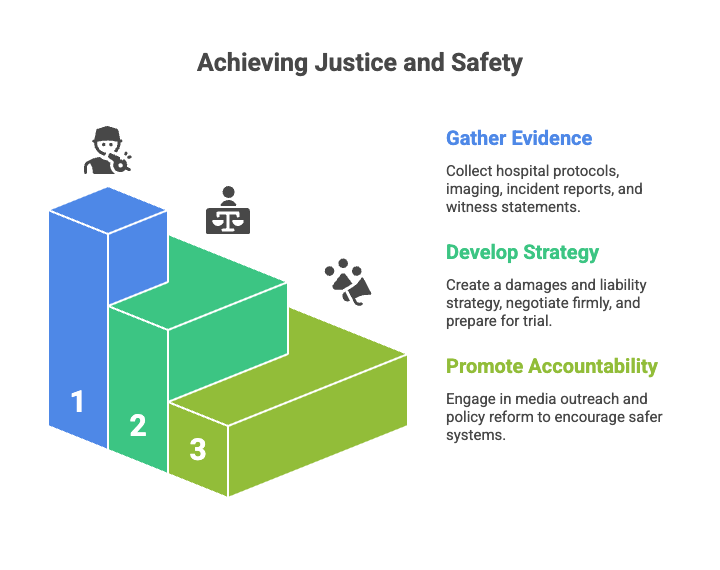
- Investigate and preserve evidence by obtaining hospital protocols, imaging, incident reports, and witness statements before they disappear.
- Build a damages and liability strategy that links negligence to your injuries, negotiates firmly, and prepares for trial when fair settlement efforts fail.
- Advance broader accountability through careful media outreach and, when appropriate, policy reform efforts that encourage safer systems and reduce future harm.
You’ll gain a disciplined advocate who communicates respectfully, protects your privacy, and pursues justice with purpose.
Long-Term Effects of Miami Locked-In Syndrome Injuries
When you or a loved one lives with locked-in syndrome, you may face permanent loss of mobility and speech that reshapes daily function and long-term independence.
You may also require ongoing respiratory support and specialized nutrition to prevent complications and maintain basic health.
Over time, you can confront serious psychological strain and cognitive challenges, which can affect communication, decision-making, and overall quality of life.
Permanent Mobility And Speech Loss
Permanence often defines the most devastating long-term outcome of locked-in syndrome, as many survivors face lasting paralysis and the loss of functional speech.
You may retain full awareness while your body cannot perform basic movements, making daily care a structured, ongoing responsibility for those who serve you.
With limited or absent verbal communication, you’ll rely on consistent routines, trained support, and reliable methods to express choices, discomfort, and consent.
You can preserve autonomy through Assistive Technology, such as eye-tracking communication devices and switch-access controls, which help you direct care and participate in family life.
Home Modifications, including widened pathways, accessible bathrooms, and repositioned controls, reduce risk and improve safety.
You’ll also benefit from coordinated therapy plans that focus on function, comfort, and dignity over time.
Chronic Respiratory And Nutrition Needs
Although locked-in syndrome primarily affects movement and speech, it often creates long-term respiratory and nutritional demands that shape your daily care and medical planning.
You may need suctioning, humidification, and respiratory therapy to prevent infections and manage a weak cough.
You’ll also plan safe nutrition, often through enteral feeding, with careful monitoring to reduce aspiration and dehydration.
| Need | How can you serve well |
|---|---|
| Airway support | Coordinate equipment, routines, and trained caregivers. |
| Nutrition access | Track tube care, calories, hydration, and medication timing. |
| Ongoing oversight | Schedule follow-ups, document changes, and respond quickly. |
Psychological And Cognitive Challenges
Meeting ongoing respiratory and nutrition needs keeps your body stable, but locked-in syndrome also places lasting strain on your mental health and cognitive functioning.
You may face anxiety, depression, or grief as you recognize new limits, and emotional adjustment can feel continuous rather than seasonal.
Because communication is restricted, frustration can build quickly, so you’ll need structured support from clinicians, caregivers, and faith or community partners committed to service.
Cognitive changes can also appear, including slowed processing, attention lapses, and memory impairment that affects daily choices, therapy participation, and relationships.
You can protect your quality of life by using consistent routines, cueing systems, and assistive communication tools, while tracking symptoms with your care team.
You should also advocate for counseling and neuropsychological evaluation as part of long-term recovery planning.
Proving Liability in Miami Locked-In Syndrome Medical Malpractice Injury Cases
Because locked-in syndrome often follows sudden neurological injury, proving liability in a Miami medical malpractice case requires a disciplined focus on what the healthcare provider did, what they should’ve done under the circumstances, and how that lapse caused the outcome.
Proving liability for locked-in syndrome requires a disciplined focus on the actions taken, the standards owed, and how the lapse caused harm.
You begin by securing complete records, imaging, medication logs, and monitoring data, then comparing each decision against the accepted standards of care at that time.
You strengthen the case through Expert Testimony from qualified neurologists, emergency physicians, and nursing experts who can explain missed stroke signs, delayed imaging, improper airway management, or failures to escalate concerns.
You also use Forensic Reconstruction to build a precise timeline, showing when symptoms emerged, when interventions were available, and how delays or errors changed the clinical course.
You keep your purpose service-driven, focusing on accountability and safer practices, while documenting causation with clear, step-by-step medical reasoning that a jury can follow.
Compensation for Miami Locked-In Syndrome Damages
How do you put a dollar value on a life changed in an instant by locked-in syndrome? You start by documenting every loss with care, because serving your loved one well requires resources, planning, and accountability.
Compensation can address past and future medical bills, rehabilitation, assistive technology, home modifications, and skilled nursing support, as well as lost income and diminished earning capacity.
You may also pursue damages for pain, suffering, and loss of enjoyment of life, recognizing the profound limits the injury imposes on daily connection and independence.
You’ll also evaluate how the recovery is paid, since timing matters as much as amount.
Structured settlements can provide predictable, long-term income for ongoing care, while lump-sum funds can cover urgent accessibility needs.
You should discuss tax implications with qualified advisors to protect benefits, preserve purchasing power, and align the award with ethical, sustained caregiving goals.
The Statute of Limitations for Miami Locked-In Syndrome Injury Cases
A fair recovery plan depends on more than proving damages and projecting long-term care costs; it also depends on filing your claim before Florida’s legal deadline expires.
A fair recovery plan requires more than proving damages; it hinges on filing before Florida’s legal deadline expires.
If you wait too long, the court can bar the case entirely, even when liability is clear, and your need for support is urgent.
In most Miami personal injury matters, you generally must file within a defined period that begins on the date of injury.
However, some locked-in syndrome cases involve delayed recognition of a harmful act or a missed diagnosis.
In those situations, the Discovery Rule may shift when the clock starts, focusing on when you knew, or should’ve known, the injury and its cause.
You should also consider Tolling Periods, which can pause the deadline in limited circumstances, such as certain incapacity or fraud-based concealment.
Act promptly, gather records, and protect the resources your family will rely on.
Why You Need an Experienced Miami Locked In Syndrome Injury Lawyer
When locked-in syndrome follows a catastrophic injury or a preventable medical error, you can’t afford guesswork in identifying fault, proving causation, and securing the resources your care plan will require.
You need a Miami lawyer who’s handled intricate neurological injury claims and can quickly preserve evidence, coordinate qualified medical experts, and document lifelong damages with rigor.
An experienced advocate builds a case that reflects the full cost of service-focused care, including rehabilitation, assistive technology, communication supports, and home modifications.
You also benefit from counsel who understands how insurers dispute liability, minimize future needs, and pressure families into premature settlements.
With skilled representation, you can protect your loved one’s dignity while pursuing accountability that may prevent similar harm to others.
Your case can also support broader public awareness and encourage legislative reform by exposing unsafe practices and systemic failures.
In a crisis, experience turns compassion into measurable results.
How to Choose the Right Miami Locked-In Syndrome Injury Lawyer for Your Case
Because locked-in syndrome claims demand precise medical proof and long-range financial planning, you should choose a Miami injury lawyer with verifiable experience in catastrophic neurological cases and the resources to litigate them aggressively.
Ask how they work with neurologists, rehabilitation professionals, and life care planners, and request examples of outcomes in similarly challenging cases.
You’ll serve your loved one best by selecting counsel who treats the case as a mission of accountability, not a quick settlement.
Evaluate Fee Transparency early, including contingency terms, litigation costs, and how medical liens may affect recovery.
Confirm their communication style aligns with your needs, with clear timelines, prompt updates, and direct access when pivotal decisions arise.
Review who’ll handle day-to-day work, and how the firm prepares for trial if insurers refuse fair value.
Finally, choose a lawyer who explains strategy in plain language, respects your role as advocate, and documents every commitment in writing.
About the Law Offices of Anidjar and Levine
Trusted by injury victims across South Florida, the Law Offices of Anidjar and Levine handles catastrophic injury claims with a client-focused approach that emphasizes preparation, responsiveness, and documented case strategy.
You’ll work with a team that treats your case as a mission of service, protecting dignity while pursuing full accountability from insurers and negligent parties.
You can review Attorney Bios to understand each lawyer’s background, courtroom readiness, and commitment to disciplined advocacy.
The Firm History reflects sustained work on serious injury matters, including intricate medical evidence, long-term care planning, and damages documentation that supports families facing life-altering diagnoses.
You’ll receive clear updates, timely callbacks, and organized case materials, so decisions stay grounded in facts rather than pressure.
When your loved one’s future depends on careful action, you can rely on a structured process that prioritizes compassion, verification, and results.
Your goals remain central throughout every stage of the claim and negotiation process.
Frequently Asked Questions
Do You Offer Home, Hospital, or Virtual Consultations in Miami?
Yes, you can schedule home, hospital, or virtual meetings in Miami, based on your condition and availability.
You’ll receive remote consultations by phone or video, and you can request home visits when travel isn’t practical.
You can also meet in a hospital or rehabilitation setting, so you don’t lose time or momentum.
You’ll discuss goals, review documents, and plan next steps, with clear guidance throughout.
You’ll stay informed at all times.
Will My Case Details Remain Confidential and Protected Under Attorney-Client Privilege?
Yes, your case details will remain confidential and protected under attorney-client privilege.
You control what you share, and your lawyer can’t disclose it without your informed consent, except in narrow, legally required situations.
Privilege scope generally covers communications for legal advice, including notes and strategy.
Medical confidentiality also applies to health records you provide, and your team should secure them, granting access only to necessary personnel.
What Languages Does Your Legal Team Speak for Client Communications?
You’ll communicate with our legal team in English and Spanish, and we can often accommodate additional languages as needed.
When a team member isn’t fluent in your preferred language, you’ll still receive clear guidance through Interpreter Availability for calls, meetings, and remote consultations.
You’ll also get Translated Documents for important letters, authorizations, and case updates, so you can make informed decisions and serve your loved one responsibly.
Can Family Members Pursue Claims on Behalf of an Incapacitated Loved One?
Yes, you can often pursue claims for an incapacitated loved one, but you’ll usually need legal authority first.
You can seek guardian petitions so you’re formally appointed to act, or you may proceed through conservatorship claims when finances and medical decisions require oversight.
Once authorized, you can gather records, document damages, and direct counsel to file and negotiate, always prioritizing your loved one’s best interests and long-term care needs.
Are There Upfront Costs, and How Are Attorney Fees Calculated?
You often won’t pay upfront costs if you choose contingency fees, because your attorney collects only if you recover compensation, typically as a set percentage plus reimbursed case expenses.
If you prefer predictability, you can ask about Hourly rates, where you pay for time spent and may also cover filing, records, and expert fees as they arise.
You should request a written fee agreement to budget responsibly.
—————————
If you’re facing a locked-in syndrome injury in Miami, you can’t afford uncertainty about your legal options.
You should act quickly, preserve medical records and evidence, and avoid statements that insurers may use against you.
With an experienced lawyer from Law Offices of Anidjar and Levine, you can pursue compensation for lifelong medical care, lost income, and diminished quality of life.
To learn more about your options, visit our Miami Medical Malpractice Lawyer page.
When you choose the right legal team, you’ll gain clear guidance, decisive advocacy, and a strategy built to protect your rights.

We Can Help.