1.0 Introduction: Deconstructing the Single-Vehicle Accident Liability Myth
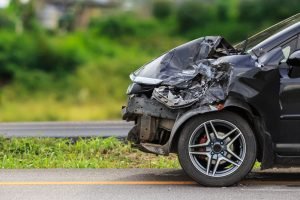
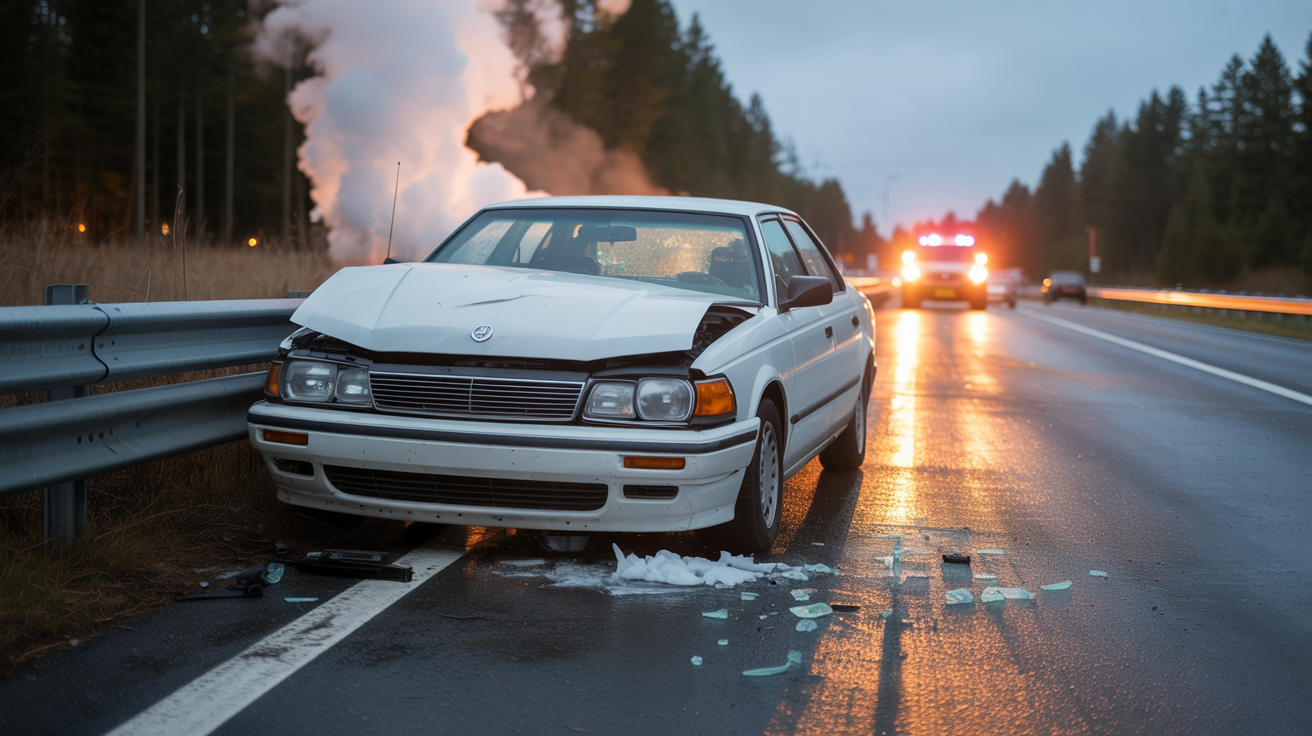
The central challenge for legal professionals handling single-vehicle accidents is overcoming the pervasive misconception that the driver is automatically and solely at fault. When a crash involves only one vehicle, insurers and at-fault drivers alike often default to this assumption, potentially preventing victims from pursuing rightful compensation.
Learn More: Tampa Single Vehicle Accident Injury Lawyer
This analysis deconstructs this liability myth by examining proven legal strategies for identifying third-party negligence and maximizing client recovery. The core argument, supported by extensive case experience in Tampa, posits that liability frequently extends beyond the driver to external parties, including government entities, vehicle manufacturers, and maintenance providers whose negligence contributed to the incident.
A successful legal strategy in these cases is built on a comprehensive understanding of several critical issues that can shift the focus of liability away from the driver.
- Causation Factors: A thorough investigation must consider the full spectrum of potential causes, including not only driver behavior but also hazardous road conditions, adverse weather, and sudden mechanical failures.
- Potential Liable Parties: Liability can be assigned to vehicle or component manufacturers for defects, mechanics for negligent repairs, and government or construction entities for creating or failing to remedy hazardous roadway conditions.
- Immediate Post-Accident Protocol: The victim’s actions immediately following a crash are crucial. Thoroughly documenting the scene by photographing damage, road conditions, and debris is a foundational step in preserving evidence.
- Medical Evidence: Seeking prompt medical evaluation is essential to detect latent injuries and create an official record that directly links physical harm to the accident, countering potential arguments from insurers.
- Florida’s Legal Framework: Florida’s comparative negligence doctrine allows victims to recover damages even if they are found to be partially at fault, making it vital to identify all contributing factors to ensure a fair apportionment of liability.
This analysis will now transition from this overview of the liability misconception to a detailed examination of the investigative methods required to identify and prove the negligence of responsible third parties.
——————————————————————————–


2.0 Establishing Third-Party Liability: A Multi-Vector Investigative Approach
In single-vehicle accident cases, the strategic imperative is to conduct a comprehensive, multi-vector investigation designed to uncover non-obvious liable parties. While the driver’s actions are always a consideration, a meticulous inquiry often reveals that external negligence was a primary or contributing cause of the crash. This can include less common defendants, such as driver training programs whose inadequate instruction contributed to a novice driver’s loss of control. This section analyzes the principal categories of third-party defendants and the evidentiary focus required to build a successful negligence claim against each.
| Liable Party Category | Basis for Negligence Claim & Evidentiary Focus |
| Government Entities / Construction Companies | Basis for Negligence: Failure to maintain safe public roadways by neglecting to repair potholes, crumbling pavement, or faded lane markings. Negligence also arises from drainage failures causing hydroplaning or inadequate warnings in construction zones. Evidentiary Focus: Scene photos, maintenance logs, public complaints, and expert testimony on road design and safety standards. |
| Vehicle & Component Manufacturers | Basis for Negligence: Product liability claims from manufacturing defects in a vehicle or its critical components, such as sudden failures of brakes, transmissions, or steering systems that cause a loss of control. Evidentiary Focus: Vehicle maintenance records, recall notices, expert engineering analysis of the failed component, and documentation of similar failures. |
| Mechanics & Repair Facilities | Basis for Negligence: Professional negligence during vehicle maintenance, including defective brake jobs or improperly installed components. This breach of duty of care can lead to critical malfunctions like brake failure or loss of wheel control. Evidentiary Focus: Service invoices, owner testimony, and expert mechanical analysis linking the negligent repair to the component failure. |
Having identified the potential parties who can be held liable, the analysis must turn to the specific incident triggers, as a thorough understanding of causation is the foundation of any targeted legal strategy.
——————————————————————————–
3.0 Causation Analysis: Linking Incident Triggers to Legal Strategy
A rigorous causation analysis is foundational to developing a potent legal strategy in any single-vehicle accident claim. Determining the root cause of the incident—whether it points to driver error, external conditions, or a critical mechanical failure—dictates the direction of the investigation, the selection of expert witnesses, and the ultimate theory of liability presented to an insurer or a jury. The following subsections analyze the common causes of single-vehicle accidents in Tampa and their distinct legal implications.
3.1 Driver Distraction and Inattention
Driver distraction is a leading cause of single-vehicle accidents and is broadly categorized into two types. Cognitive distraction occurs when a driver’s mental focus is diverted to personal or professional concerns, compromising their ability to recognize and react to roadway hazards. Visual inattention is equally perilous, occurring when a driver takes their eyes off the road to use a mobile device, adjust a navigation system, or attend to passengers. Even a momentary glance away from the road can lead to a vehicle veering into a fixed object or rolling over, creating a scenario where, even if the driver is partially at fault, other factors may still contribute.
3.2 Speeding and Reckless Driving
Excessive speed remains a primary factor in single-vehicle crashes, as it drastically reduces a driver’s reaction time and increases the vehicle’s stopping distance. Behaviors such as high-speed racing on highways or aggressive tailgating demonstrate a clear disregard for safety that amplifies the severity of any resulting crash. From a legal standpoint, these actions can complicate a claim but do not automatically preclude recovery, especially if a secondary factor like a sudden vehicle malfunction or an unavoidable road hazard was also involved.
3.3 Poor Road Conditions
Hazardous road conditions are a frequent and direct cause of drivers losing control of their vehicles. These conditions include potholes, crumbling pavement, and uneven surfaces that can destabilize a vehicle unexpectedly. In Florida, drainage failures are particularly dangerous, creating standing water that can lead to hydroplaning during heavy rainfall. Faded lane markings or missing signage further compound these dangers. Such conditions create a direct link to the negligence of the government entities responsible for roadway maintenance, forming a strong basis for a third-party liability claim.
3.4 Vehicle Mechanical Failures
The sudden, unanticipated failure of a critical vehicle component can place a driver in a life-threatening situation with no opportunity to prevent a crash. Catastrophic malfunctions such as brake failure or a transmission defect can cause a complete loss of vehicle control. These incidents create clear liability claims against either the vehicle manufacturer for a design or manufacturing defect or a maintenance provider whose negligent repair work caused the failure.
Understanding these causal factors is the first step; the next is executing a precise post-accident protocol to preserve the evidence needed to prove them.
——————————————————————————–
4.0 Post-Accident Protocol: Securing Health and Preserving Evidence
The moments immediately following a single-vehicle accident are critical, serving a dual purpose: protecting the client’s physical well-being and preserving the viability of a future legal claim. Adhering to a clear protocol ensures that a victim’s health is the top priority while simultaneously gathering the perishable evidence needed to establish liability. This section outlines a three-step protocol, evaluating how each action contributes to both safety and the preservation of legal rights.
- Ensure Scene Safety and Security The first priority is to prevent further harm. This involves moving the vehicle to a safe location if possible, activating hazard lights to warn other motorists, and calling 911 to report the incident and request medical assistance. This action not only safeguards the individuals involved but also creates an official, time-stamped record of the accident, which is a crucial first piece of documentation for any subsequent claim.
- Document the Accident Scene Thoroughly Before conditions change or evidence is cleared, it is imperative to create a comprehensive photographic record. This includes taking pictures from multiple angles of vehicle damage, skid marks, roadway debris, and any contributing environmental factors like potholes, faded lane markings, or poor signage. Documenting the precise location, time, and weather conditions is equally important. Furthermore, collecting contact information from any witnesses who stopped to assist can provide invaluable third-party corroboration of the victim’s account of events.
- Seek Immediate Medical Attention A prompt medical evaluation is a non-negotiable step, even if injuries do not seem severe. Many serious conditions, such as internal bleeding or traumatic brain injuries, have delayed symptoms. Seeking immediate care creates an official medical record that formally links the documented injuries to the accident. This record establishes a clear timeline of treatment and counters common insurance company arguments that a delay in seeking care indicates the injuries were minor or unrelated to the crash.
With the client’s immediate actions secured, the focus shifts to the legal and financial frameworks that will govern their potential for recovery.
——————————————————————————–


5.0 The Legal and Financial Framework for Recovery in Florida
The legal architecture governing personal injury claims from single-vehicle accidents in Tampa is defined by specific state laws and established precedents. A successful recovery strategy requires a firm grasp of both the legal principles that determine fault and the full scope of financial compensation available to victims. This section dissects these two key components.
5.1 Governing Legal Principles
- Florida’s Comparative Negligence: This doctrine is central to single-vehicle accident claims. Under this rule, a victim can recover damages even if they are found to be partially responsible for the accident. The financial award is simply reduced by the victim’s assigned percentage of fault. For example, a victim found to be 20% at fault can still recover 80% of their total damages. This makes it essential to identify all contributing third parties to ensure liability is apportioned fairly.
- Statute of Limitations: Florida law imposes a strict deadline for filing personal injury lawsuits, which is typically four years from the date of the incident. However, this timeline is critically shorter when a government entity is a potential defendant. In such cases, a formal notice may be required within a very short period, highlighting the need for prompt legal action to preserve the victim’s rights.
5.2 Scope of Compensable Damages
Victims of single-vehicle accidents are entitled to pursue compensation for a wide range of losses. A comprehensive claim must account for every economic and non-economic harm suffered.
- Medical Expenses: This includes all costs related to the injury, from emergency treatment and surgeries to long-term rehabilitation, physical therapy, and any necessary ongoing care.
- Lost Wages & Earning Capacity: Compensation covers not only the immediate income lost while recovering but also the diminished capacity to earn in the future if the injuries result in a permanent disability.
- Property Damage: This includes the full cost of either repairing the vehicle to its pre-accident condition or replacing it if it is deemed a total loss.
- Pain and Suffering: This category compensates for the physical pain, discomfort, and emotional distress endured as a direct result of the injuries sustained in the accident.
- Non-Economic Damages: This includes compensation for intangible losses such as mental anguish, loss of enjoyment of life, and the impact of a permanent disability on the victim’s daily activities and relationships.
These compensable damages are designed to address not only immediate costs but also the profound, long-term consequences that these accidents can inflict on a person’s life.
——————————————————————————–
6.0 Assessing the Long-Term Consequences of Single-Vehicle Accidents
A strategic legal approach requires looking beyond the immediate injuries to document and quantify the full spectrum of long-term physical, psychological, and financial effects of a single-vehicle accident. A comprehensive valuation of these cascading consequences is essential for securing a settlement or verdict that provides for a client’s future stability and well-being. The analysis of these effects can be structured into three distinct but interconnected categories.
6.1 Chronic Pain and Permanent Disability
Acute injuries sustained in a crash often evolve into chronic pain conditions that persist for years, significantly limiting a victim’s ability to maintain employment and perform daily functions. These persistent conditions can require a lifetime of pain management, including ongoing medical treatments, physical therapy, and sometimes further surgical interventions. Under Florida law, such conditions may qualify as permanent disabilities, entitling victims to substantial compensation for future medical expenses and their total lost earning capacity over a lifetime.
6.2 Psychological Trauma and PTSD
The “invisible injuries” of a single-vehicle accident can be as debilitating as the physical ones. Many survivors develop post-traumatic stress disorder (PTSD), anxiety, and depression. Trauma triggers—such as driving past the accident scene or hearing screeching brakes—can cause severe emotional distress that interferes with daily life. It is crucial to document all psychological treatment, including therapy and medication, to validate claims for these damages and ensure they are given the same weight as physical harm during negotiations.
6.3 Compounding Financial Burdens
The long-term financial fallout from a single-vehicle accident extends far beyond the initial hospital bills. Victims and their families often face a cascade of compounding economic losses that threaten their financial stability. These burdens must be meticulously calculated and projected into the future.
- Ongoing rehabilitation services and the cost of adaptive equipment
- Sustained income loss from an inability to return to previous employment
- Depletion of personal savings and the risk of bankruptcy or foreclosure
- Increased insurance premiums following the accident
- Profound impacts on long-term family financial goals, such as retirement savings or children’s education funds
The profound nature of these long-term impacts underscores the pivotal role of experienced legal counsel in proving liability and securing the just compensation needed to address them.
——————————————————————————–
7.0 Conclusion: Strategic Imperatives for Legal Professionals
This analysis confirms that success in single-vehicle accident claims hinges on a single, overriding strategic imperative: systematically deconstructing the initial assumption of driver fault. A proactive and meticulous approach is required to shift the legal focus from the driver’s actions to the negligent conduct of third parties whose failures contributed to the incident. For legal professionals handling these complex cases, the path to securing fair compensation for clients is defined by several core functions.
- Proactive Investigation: An immediate and exhaustive investigation into all potential causes is non-negotiable. This includes scrutinizing road conditions, vehicle maintenance records, and manufacturing histories to identify every potentially liable third party.
- Expert Testimony: The effective use of expert witnesses is critical. Testimony from accident reconstruction analysts and engineering experts provides the objective evidence needed to prove that a roadway defect or a vehicle component failure was a direct cause of the crash.
- Comprehensive Damage Valuation: A successful claim requires documenting and quantifying the full spectrum of damages. This goes beyond immediate medical bills to include long-term rehabilitation needs, lost future earnings, and the profound psychological and emotional trauma suffered by the client.
- Strategic Negotiation: Experienced legal counsel is essential for countering the tactics employed by insurance companies to minimize payouts. This involves leveraging the evidence gathered to advocate aggressively for a settlement that reflects the true, long-term cost of the client’s recovery.