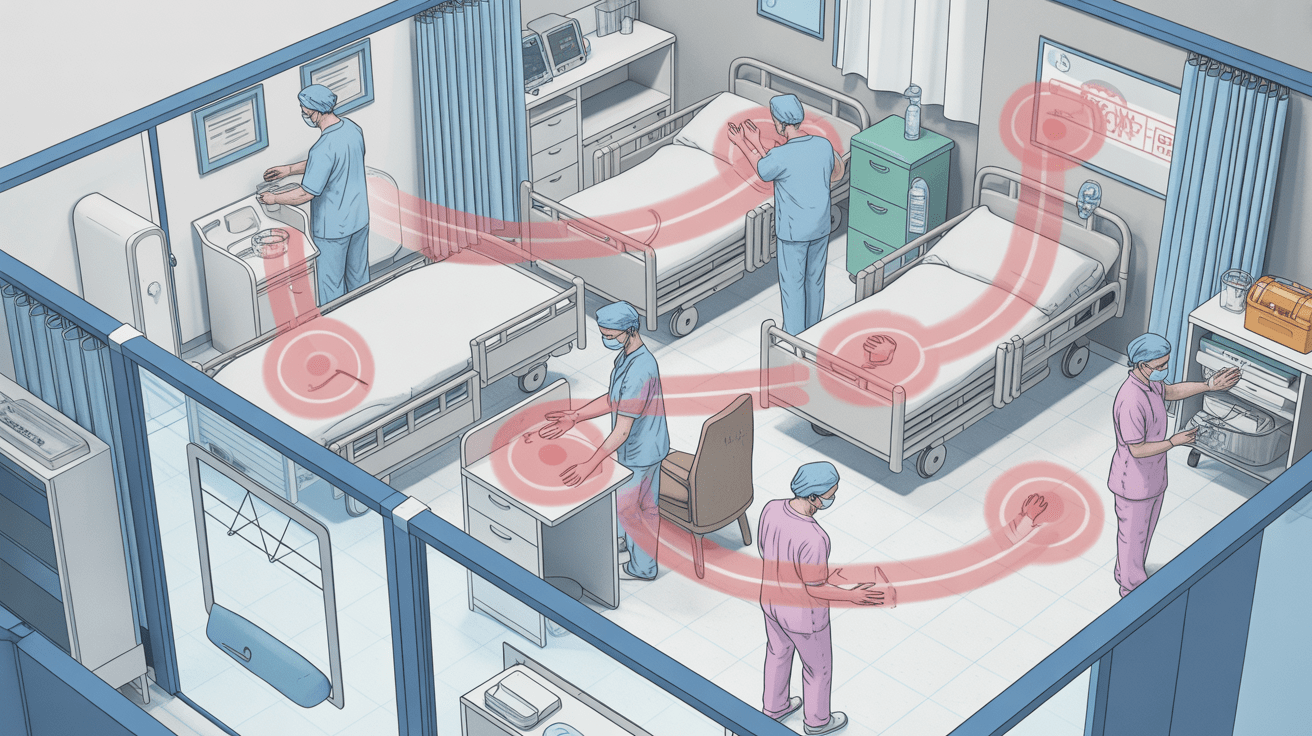
1.0 Introduction: The Complex Landscape of Florida HAI Litigation
In Florida’s medical malpractice landscape, hospital-acquired infection (HAI) claims pose a distinct and formidable litigation challenge, demanding a strategic framework that transcends mere allegations and is built on a foundation of forensic evidence. These cases operate at the intersection of complex medical science and stringent legal standards, requiring an approach that is both methodologically rigorous and procedurally disciplined. Proving that an infection resulted from a specific act of negligence—rather than being an unfortunate but unavoidable complication—demands a sophisticated investigative and legal framework.
Learn More: Florida Hospital-acquired Infection Injury Lawyer
This analysis examines the strategic methodology employed by the Law Offices of Anidjar and Levine, a Florida firm that has developed a comprehensive model for successfully navigating these claims. Their approach serves as a compelling case study in converting suspected medical lapses into legally sound, evidence-driven cases that achieve favorable outcomes for their clients. The firm’s methodology is built on a foundation of proactive investigation, meticulous documentation, and a deep understanding of the regulatory standards governing patient care.
Core Tenets of the Anidjar & Levine Approach
The firm’s value proposition, as demonstrated through its practices, can be distilled into several core operational tenets:
- Evidence-Driven Investigations and Expert Alignment: The firm prioritizes the immediate preservation of records and coordinates with qualified medical experts to audit hospital practices against established CDC and state standards, ensuring that claims of negligence are substantiated by objective data and authoritative opinion.
- Strategic Negotiation Leveraging Regulatory Standards: All communications with hospitals and insurers are managed to build leverage through evidence-driven demands. By framing negligence in the context of specific compliance gaps and regulatory breaches, the firm strengthens its position in settlement negotiations.
- Disciplined Case Management and Courtroom Advocacy: Every case is prepared as if it will proceed to trial. This disciplined posture, combined with transparent client communication and strict adherence to Florida’s procedural requirements, ensures that claims are advanced with precision, whether resolved through settlement or litigation.
This analysis will deconstruct this strategic framework, beginning with the initial and most critical phase of case development: client intake and the preservation of foundational evidence.


2.0 The Foundational Phase: Client Intake and Initial Evidence Preservation
The strategic importance of the initial client interaction and evidence preservation phase cannot be overstated. Actions taken in the first days and weeks following the discovery of a hospital-acquired infection can fundamentally determine the viability and ultimate strength of a legal claim. The Anidjar & Levine model emphasizes a structured, three-step protocol for clients that serves the dual purpose of protecting their immediate health while simultaneously building the evidentiary bedrock for a future negligence claim.
- Prioritize and Document Medical Intervention Seeking prompt medical evaluation at the first sign of infection is paramount for both patient health and legal integrity. Early intervention not only allows for timely treatment that can curb complications but also creates an unimpeachable clinical record. This record—documenting symptoms, diagnoses, and treatment plans—is essential for establishing a clear medical timeline and providing the initial data points needed to prove causation.
- Implement Disciplined Personal Documentation The firm instructs clients to maintain a detailed personal log to corroborate and enrich the official medical records. This disciplined documentation includes a daily symptom timeline (noting onset, intensity, and changes), photographs of visible signs like redness or swelling, and the preservation of all related communications, bills, and discharge summaries. By meticulously tracking these details, the client creates a parallel evidentiary stream that reinforces the clinical data, helps quantify damages related to pain and suffering, and demonstrates the full impact of the infection on their daily life.
- Engage Specialized Legal Counsel Immediate consultation with an experienced attorney is framed as a critical strategic step. Early legal guidance ensures that crucial evidence is preserved, statutory deadlines are identified and met, and a formal investigation is launched before records can be lost or altered. This proactive engagement allows the legal team to send preservation letters, secure expert reviews, and begin mapping the case while the facts are still fresh, protecting the client’s rights from the outset.
These initial evidence-gathering actions form the foundation upon which the firm builds its more formal, in-depth investigation into the specific sources of hospital negligence.
3.0 Establishing Negligence: An Evidentiary Deep Dive into HAI Causation
Successfully litigating an HAI claim requires moving beyond the mere existence of an infection to proving a specific, preventable breach in the professional standard of care. This requires a forensic investigation into the hospital’s systems, protocols, and actions. This section deconstructs the Anidjar & Levine investigative approach, which targets the most common vectors of HAIs to uncover the evidence needed to establish negligence.
3.1 Contaminated Medical Equipment
When infections are linked to medical devices, the investigation centers on identifying breakdowns in sterilization and handling protocols. The firm’s process involves a deep analysis of hospital records, including:
- Sterilization logs and autoclave maintenance reports.
- Chain-of-custody procedures for reusable instruments.
- Equipment maintenance and recall records.
Scrutiny is applied to high-risk equipment such as scopes, catheters, and ventilators, where lax oversight or faulty reprocessing can lead directly to patient harm. By comparing the hospital’s documented procedures against validated cleaning cycles and industry standards, the firm can pinpoint specific failures. This evidence is instrumental in demonstrating a breach of the hospital’s non-delegable duty to provide a safe clinical environment and properly maintained equipment.
3.2 Lapses in Hand Hygiene
The firm frames poor hand hygiene not as an isolated mistake but as a systemic failure of policy and enforcement. The investigation seeks to establish a pattern of non-compliance by evaluating the hospital’s entire hygiene program. The standard of care is defined by protocols that include:
- Adoption of evidence-based soaps and alcohol-based rubs.
- Strong compliance monitoring through direct observation or electronic auditing.
- Leadership reinforcement and targeted behavioral interventions.
A breach is established by demonstrating that the facility failed to implement, monitor, or enforce these essential safeguards, creating an environment where pathogens could be easily transmitted. Framing this as a systemic failure is legally critical, as it shifts liability from a single, potentially judgment-proof employee to the institution itself, which has a non-delegable duty to enforce patient safety protocols.
3.3 Improper Antibiotic Use
The firm identifies antibiotic stewardship as a core duty of care, focusing on how improper prescribing practices can foster drug-resistant organisms and cause preventable infections like C. difficile. The investigative methodology involves a critical review of medical records to identify deviations from established guidelines, such as:
- Prescribing broad-spectrum antibiotics without clear indications or supporting cultures.
- Failing to de-escalate or narrow therapy once a pathogen is identified.
- Continuing antibiotic therapy longer than medically necessary.
Expert review is used to demonstrate how these lapses deviated from the standard of care. Proving a direct link between negligent prescribing and the emergence of a resistant, harmful infection establishes a clear and compelling case for liability against both the individual provider and the institution’s oversight systems.
3.4 Inadequate Sterilization Protocols
This line of investigation targets systemic failures in a hospital’s central sterilization processes. The firm’s methodology involves uncovering patterns of neglect by examining a wide range of operational evidence, including:
- Sterilization audit results and quality reports.
- Autoclave performance and maintenance logs.
- Staff training and competency records.
- Instrument tracking and packaging procedures.
By assembling this evidence, the firm can construct a clear narrative showing how skipped steps, rushed cycles, or inadequate oversight led to the use of contaminated instruments. Such a pattern of neglect is legally powerful, as it makes it difficult for the defense to characterize the incident as an isolated, unforeseeable error.
This meticulously gathered evidence of specific failures is then strategically used to build a legally sound argument for liability under the precise requirements of Florida law.
4.0 Proving Liability and Damages within the Florida Legal Framework
Once evidence of negligence is compiled, the critical legal task is to connect that evidence to the specific burdens of proof required to establish liability and quantify damages under Florida law. This section outlines the firm’s structured approach to constructing a legally sufficient claim that can withstand the scrutiny of insurers and the courts.
The firm employs a methodical, four-step process to translate investigative findings into a compelling legal argument for fault:
- Infection Tracing and Source Identification: The investigation begins by using microbiology testing, including cultures and antibiograms, to identify the specific pathogen. This data is correlated with reviews of procedure logs, isolation protocols, and staff practices to pinpoint the likely source of the infection, linking it to a contaminated device, a specific hospital unit, or a breakdown in practice.
- Benchmarking Against Authoritative Standards: The hospital’s conduct is measured against authoritative standards of care established by organizations like the Centers for Disease Control and Prevention (CDC) as well as other professional guidelines. This objective benchmarking demonstrates precisely where and how the facility’s practices fell short of their legal and professional obligations.
- Securing Expert Testimony: Testimony from qualified experts in infectious diseases and nursing standards is secured to serve as a crucial bridge. These experts connect the documented policy failures and protocol breaches directly to the patient’s infection, explaining to a judge or jury how the negligence was the cause of the harm.
- Establishing a Causation Timeline: A clear and compelling timeline is constructed to demonstrate that the patient did not have the infection upon admission but developed it following the negligent exposure within the hospital. This timeline, supported by medical records and expert analysis, is fundamental to proving direct causation.
Quantifying Comprehensive Damages
After establishing liability, the focus shifts to a comprehensive accounting of all harms suffered by the client. The firm pursues compensation across multiple categories, ensuring that the full impact of the infection is documented and valued.
| Damage Category | Key Components and Justification |
| Economic Damages | These are the foundational, objective losses of the claim. They are meticulously documented using bills, receipts, and expert projections from vocational specialists and life care planners to create an unimpeachable financial baseline for negotiations. This includes past/future medical expenses, lost wages, diminished earning capacity, and home modifications. |
| Non-Economic Damages | This category addresses the profound human impact of the infection. Claims for physical pain and suffering, emotional distress, loss of enjoyment of life, permanent scarring, and disability are substantiated by translating the client’s daily hardships into a credible, evidence-based valuation supported by medical records and testimony. |
| Long-Term Burdens | This category is crucial for demonstrating the full, life-altering impact of the negligence. Evidence is built by linking chronic sequelae like organ dysfunction or recurring infections directly to the HAI, and by using testimony from mental health experts to validate claims of anxiety, depression, and PTSD stemming from the traumatic medical event. |
With a robust case for both liability and damages fully developed, the focus turns to navigating the claim through the state’s legal and procedural systems.


5.0 Strategic Case Management and Navigating Florida’s Procedural Requirements
Building a strong case on paper is only half the battle; converting it into a successful financial recovery requires disciplined case management, strategic communication, and strict adherence to Florida’s complex procedural rules. These elements are critical for protecting the client’s rights and maximizing the value of the claim.
The Anidjar & Levine approach to case progression is defined by a proactive and trial-ready posture:
- Managing Insurer and Hospital Communications: The firm acts as a shield for the client, handling all communications with hospitals and insurance companies. This prevents clients from being pressured while allowing the legal team to build leverage by presenting clear, evidence-driven demands for settlement.
- Negotiation Strategy: Every case is prepared as if it will ultimately be decided by a jury. This trial-ready preparation strengthens the client’s position in settlement negotiations, as insurers are more likely to offer a fair resolution when faced with a thoroughly documented and well-argued claim.
- Litigation Posture: If a fair settlement cannot be reached, the firm litigates with precision. This involves filing timely legal actions and methodically advancing the claim through motions, hearings, and discovery, demonstrating a clear resolve to hold the negligent parties accountable in court.
Florida Statute of Limitations
Navigating Florida’s statutory deadlines is a critical component of successful case management. For HAI medical malpractice claims, the general rule is a two-year statute of limitations that begins when the patient knew or reasonably should have known that the injury (the infection) was caused by a breach in the standard of care. This is subject to a hard four-year statute of repose, which can bar claims regardless of when the negligence was discovered. Critically, these deadlines are affected by Florida’s mandatory presuit investigation process, which must be completed before a lawsuit is filed and consumes valuable time. Wrongful death claims arising from an HAI operate under a distinct two-year limit from the date of death.
This disciplined management of legal procedure is guided by the professional principles and client-centric values that underpin the firm’s entire methodology.
6.0 Conclusion: Key Strategic Pillars for Success in HAI Litigation
The methodology employed by the Law Offices of Anidjar and Levine provides a clear and effective framework for litigating the complex and challenging field of hospital-acquired infection claims in Florida. Their approach demonstrates that success is not accidental but the result of a disciplined, multi-stage process that integrates meticulous investigation, deep legal knowledge, and unwavering client advocacy. By deconstructing their model, we can identify the core strategic pillars essential for achieving just outcomes in this specialized area of law.
The key strategic takeaways for legal professionals handling HAI cases in Florida include:
- Front-Load the Investigation: The viability of an HAI claim is often determined in the first few weeks. A successful strategy prioritizes immediate client action to preserve medical and personal evidence, followed by a swift and deep legal investigation into hospital protocols before crucial records can be lost.
- Systematically Prove a Breach of Specific Standards: It is not enough to show that an infection occurred. A winning case must pinpoint the precise failure—be it in sterilization, hand hygiene, or antibiotic stewardship—and benchmark that failure against authoritative standards from bodies like the CDC to prove a clear deviation from the required standard of care.
- Integrate Liability and Damages into a Cohesive Narrative: A powerful claim seamlessly connects the evidence of a hospital’s negligence to a comprehensive and well-documented accounting of the client’s damages. This includes not only economic losses but also the profound long-term physical, psychological, and financial burdens that follow a serious infection.
Ultimately, this strategic approach achieves two non-negotiable objectives: it secures the comprehensive financial justice an individual client deserves, and it imposes meaningful accountability on healthcare institutions, compelling the systemic safety improvements that protect the entire community.