




If your child suffered bilirubin-induced neurological dysfunction, you need counsel that understands neonatal care standards and how preventable lapses cause lasting harm.
The Law Offices of Anidjar and Levine can connect you with a focused BIND injury lawyer who reviews medical records, consults neonatology and neurology experts, and builds evidence of negligent monitoring, phototherapy, or hemolysis management.
We quantify lifetime care and education needs, manage hospitals and insurers, and ensure deadlines are met. Learn what steps safeguard your claim now—and what mistakes can quietly undermine it.
For more information, speak with a Birth Injury Lawyer.
Key Takeaways
- We investigate neonatal jaundice care errors—missed bilirubin monitoring, delayed phototherapy/exchange transfusion, and inadequate hemolysis management—to establish negligence as a cause of BIND/kernicterus.
- Our team secures neonatology and neurology experts, audits EMR alerts and protocols, and correlates labs, timestamps, and notes to establish causation and preventability.
- We manage record retrieval, preserve evidence and chain of custody, handle insurer/hospital communications, and prepare persuasive claims through discovery, negotiation, and trial.
- Expect transparent fees, clear timelines, regular updates, and guidance on benefits and support services as we quantify damages in collaboration with life-care planners and economists.
- We document lasting impacts—motor, hearing, speech, and cognitive deficits—and coordinate ongoing therapies and school accommodations to substantiate lifelong needs.
How We Can Help With Your Bilirubin-Induced Neurological Dysfunction Injury Claim
Although every case is unique, we begin by conducting a meticulous review of your child’s medical records to identify errors in bilirubin monitoring, diagnosis, and treatment that may have led to neurological injury.
We consult qualified neonatology and neurology experts, align the facts with evidence-based standards, and determine liability with precision. You receive clear guidance on the claim timeline, including investigation, notice, filing, discovery, negotiation, and, if needed, trial.
We coordinate records retrieval, preserve essential evidence, and craft a strategy that protects your rights while honoring your family’s needs. Our team handles communications with insurers and hospitals, so you can focus on providing family support and caregiving. We quantify damages thoroughly, including medical care, therapy, long-term services, and future needs, and we pursue each recoverable category with diligence.
Throughout the process, we provide regular updates, explain next steps, and prepare you for pivotal decisions. Our goal is accountability, sustainable resources, and dignified, child-centered outcomes.
Understanding Bilirubin-Induced Neurological Dysfunction Injury Case
When bilirubin levels rise unchecked in a newborn, the resulting neurotoxicity can cause a spectrum of injuries collectively known as bilirubin-induced neurological dysfunction (BIND), ranging from subtle developmental delays to kernicterus with permanent motor and auditory impairment.
Unchecked neonatal hyperbilirubinemia can trigger BIND, from mild delays to kernicterus with lasting motor and auditory damage.
You will need a clear understanding of how these injuries are recognized, documented, and evaluated, because your advocacy depends on precise facts. Clinicians should assess jaundice promptly, correlate clinical signs with bilirubin values, and record the infant’s course, including phototherapy, exchange transfusion, and follow-up.
Thorough neonatal screening, coupled with timely intervention, forms the medical baseline that anchors your case.
Your case analysis should assemble medical records, growth and neurodevelopmental assessments, and expert opinions that link excessive bilirubin to present deficits. You’ll also evaluate long-term needs, including audiology, therapy, and educational supports, to accurately quantify damages.
With this foundation, you can pursue legal remedies that reflect both present harm and future care. Careful preparation guarantees your efforts protect the child’s dignity and secure meaningful resources.
Common Causes of Bilirubin-Induced Neurological Dysfunction Injuries
You should understand how delayed jaundice diagnosis, inadequate bilirubin monitoring, and phototherapy errors can expose a newborn to preventable neurological risk. When clinicians miss rising bilirubin levels or misapply treatment protocols, bilirubin may reach toxic thresholds that threaten the brain.
You must also consider hemolysis and blood incompatibility, which accelerate bilirubin production and demand prompt recognition and management.
Delayed Jaundice Diagnosis
Despite advances in newborn care, delayed jaundice diagnosis remains a leading, preventable pathway to bilirubin-induced neurological dysfunction.
You serve families best by recognizing that hours matter when jaundice deepens, skin tones shift, and feeding falters. When clinicians miss early cues or discharge occurs without clear follow-up, bilirubin can surge, crossing the blood-brain barrier and causing lasting harm.
You can help close gaps through resilient neonatal screening, timely communication, and precise escalation when warning signs appear. Prioritize parental education so caregivers know when yellowing spreads, lethargy worsens, or high-pitched crying emerges.
Make specific discharge plans include explicit timelines for reassessment, routes to urgent care, and documentation of risk factors. If systemic lapses or inattentive evaluations delayed diagnosis, you can pursue accountability and protect future patients.
Inadequate Bilirubin Monitoring
Although many hospitals follow protocols, inadequate bilirubin monitoring remains a frequent and preventable driver of bilirubin-induced neurological dysfunction. When caregivers don’t obtain timely bilirubin measurements, or fail to repeat them as risk factors evolve, dangerous levels can rise unnoticed.
You rely on clinicians to chart trends, correlate lab values with clinical signs, and escalate care when thresholds are met. Instead, missed testing, poor documentation, and rushed workflows allow critical windows to close.
You may also encounter discharge negligence, where newborns leave without clear follow-up appointments, written risk counseling, or scheduled bilirubin rechecks. That lapse places families in a precarious position, depriving them of guidance and safety nets.
Proper monitoring requires standardized protocols, meticulous communication, and accountable handoffs. When systems falter, vulnerable infants bear irreversible harm, and your advocacy becomes essential.
Phototherapy Errors
Stepping into the neonatal unit, phototherapy should function as a precise, time-sensitive intervention, yet errors in its initiation and delivery often undermine its protective intent. You rely on the timely recognition of bilirubin trends, accurate dosing, and consistent exposure; however, lapses in protocol increase the risk.
Delayed start times, incorrect light intensity, poor eye or skin protection, and inadequate irradiance measurement can allow bilirubin to rise unchecked. Equipment malfunction, whether from worn bulbs, calibration drift, or faulty sensors, further reduces therapeutic effectiveness.
You also need vigilant nursing documentation and frequent bilirubin reassessment to confirm response and adjust treatment. Proper positioning, uninterrupted exposure, and temperature and hydration monitoring are crucial.
Finally, parental education matters; when you inform families about feeding, device alarms, and safe handling, adherence improves and preventable harm declines.
Hemolysis and Blood Incompatibility
When red blood cells break down too quickly, bilirubin surges faster than a newborn’s liver can clear it, and the resulting hemolysis becomes a direct pathway to neurological risk. You must recognize the warning signs and insist on timely evaluation.
ABO incompatibility often drives accelerated red cell destruction, producing dangerous bilirubin loads within hours. Rh disease, G6PD deficiency, and hereditary spherocytosis can intensify this process, demanding vigilant monitoring.
Neonatal sepsis compounds risk by impairing hepatic conjugation and increasing hemolysis, so blood cultures, Coombs testing, and bilirubin trending are crucial. You should expect prompt escalation to intensive phototherapy, intravenous immunoglobulin for immune-mediated hemolysis, or exchange transfusion when thresholds are crossed.
When clinicians miss these steps, preventable brain injury becomes foreseeable and actionable.
Legal Rights of Bilirubin-Induced Neurological Dysfunction Injury Victims
Because a bilirubin-induced neurological dysfunction injury often stems from preventable medical error, you have legal rights that protect your child and your family’s future. You’re entitled to pursue accountability for negligent monitoring, delayed treatment, or diagnostic failures.
Your rights include compensation for medical care, therapy, specialized education, and long-term support, along with damages for pain and suffering. Strong patient advocacy guarantees your voice is heard, your records are preserved, and your claims are presented with clarity.
You must also respect legal timelines. Statutes of limitations and notice requirements can bar recovery if missed, and exceptions for minors may extend, but not eliminate, deadlines.
An attorney can evaluate liability, secure expert opinions, and quantify lifetime needs.
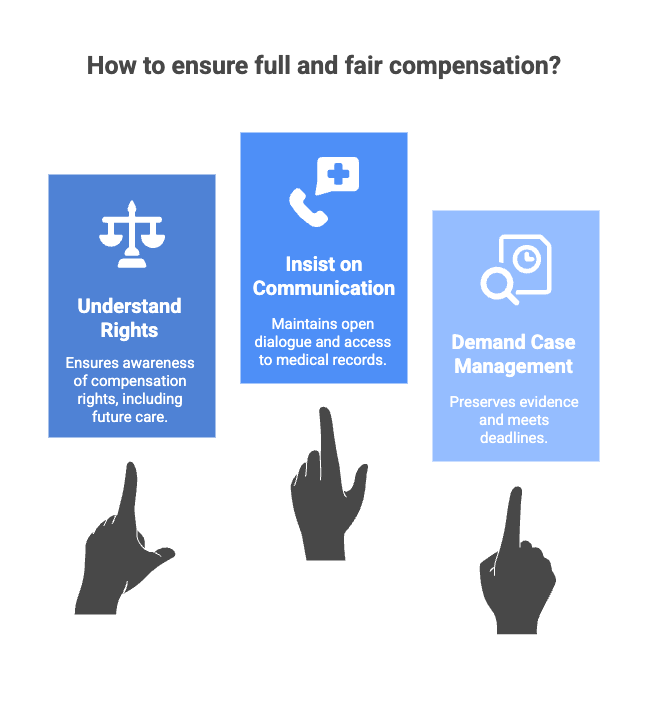
- Understand your right to full and fair compensation, including future care.
- Insist on open communication and complete access to medical records?
- Demand diligent case management that preserves evidence and meets all deadlines.
Steps to Take After a Bilirubin-Induced Neurological Dysfunction Injury
After a suspected bilirubin-induced neurological dysfunction injury, you should seek immediate medical care to stabilize the condition and establish a clear clinical record.
Next, document every symptom, treatment, and communication, and preserve all medical records, test results, discharge summaries, and timelines.
Then consult an experienced attorney promptly, so counsel can evaluate liability, safeguard evidence, and position your claim within applicable deadlines.
Seek Immediate Medical Care
Even if symptoms seem mild, you should seek immediate medical care at the first sign of jaundice, lethargy, poor feeding, high-pitched crying, unusual muscle tone, or arching, as these can signal rising bilirubin levels and impending neurological injury.
Go to the nearest emergency department or call your pediatrician immediately, and request urgent bilirubin testing with confirmatory serum levels. Advocate for timely phototherapy or exchange transfusion if thresholds are met, and ask whether an emergency transfer to a higher-level neonatal unit is warranted.
Ensure that clinicians assess for hemolysis, dehydration, and infection, and verify that feeding support commences promptly.
Request clear parent counseling about risks, treatment steps, and monitoring timelines, including when to follow up. Remain present, communicate observations precisely, and prioritize swift, evidence-based care.
Document Symptoms and Records
Start by locking down a clear record of what you’re seeing and when it occurs, as this timeline can become pivotal evidence.
Create a daily symptom timeline that notes feeding issues, lethargy, abnormal tone, high‑pitched crying, changes in reflexes, and any care interventions. Record times, durations, triggers, and responses to treatment, attaching photos or short videos when appropriate. Store entries in a secure, centralized folder.
Pursue thorough record retrieval promptly.
Request prenatal, delivery, nursery, and NICU charts, bilirubin levels with timestamps, lab panels, progress notes, medication logs, nursing flow sheets, discharge summaries, and follow‑up visit notes. Obtain imaging, hearing screens, and developmental assessments. Keep copies of appointment reminders, referral letters, and billing statements, which help verify dates.
Preserve communications with providers, using certified requests, and maintain a master index for rapid reference.
Consult Experienced Attorney
Secure qualified legal counsel as soon as you suspect bilirubin-related injury, because early guidance can protect your rights and preserve vital evidence.
An experienced birth injury attorney will assess your records, interview witnesses, and identify deviations from neonatal care standards.
You’ll receive a clear roadmap for proving negligence, calculating damages, and coordinating expert testimony, which is indispensable for intricate hospital and insurer negotiations.
Select counsel with a focused neonatal and pediatric track record, strong trial results, and access to medical experts in jaundice management and kernicterus.
Ask about fee structures, case timelines, and communication practices, ensuring alignment with your family’s service-oriented values.
A capable lawyer not only pursues compensation, but also advances malpractice prevention, promoting safer protocols that protect other children from avoidable harm.
How a Bilirubin-Induced Neurological Dysfunction Injury Lawyer Can Help You
While the medical stakes are high and the legal issues intricate, a Bilirubin-Induced Neurological Dysfunction injury lawyer helps you steer both with precision.
Your attorney investigates treatment timelines, evaluates newborn care standards, and identifies breaches that caused harm. They secure medical records, consult specialists, and translate complex findings into clear, persuasive claims.
With disciplined case management, they protect filing deadlines, preserve evidence, and position you for a fair resolution.
- Coordinate expert reviews to prove causation and quantify damages, aligning the record with your child’s needs.
- Lead negotiations with insurers and hospitals, preparing meticulously for trial if a just settlement isn’t offered.
- Guide parental advocacy efforts and connect you with support networks, strengthening your family’s voice and resources.

You’ll receive counsel on immediate remedies, including interim benefits and community assistance. Your lawyer documents present costs and foreseeable services, pursuing compensation for medical care, therapies, and caregiver burdens.
Throughout, they communicate consistently, uphold your goals, and safeguard your rights.
Long Term Effects of Bilirubin-Induced Neurological Dysfunction Injuries
You need to understand how bilirubin-induced neurological dysfunction can lead to lasting cognitive and developmental delays that affect learning, problem-solving, and independence.
You may also observe motor and movement disorders, including muscle rigidity, poor coordination, and abnormal posture, which can limit mobility and daily activities.
Hearing and speech impairments can further hinder communication and education, requiring sustained therapies and specialized support.
Cognitive and Developmental Delays
Although early treatment can prevent many complications, Bilirubin-Induced Neurological Dysfunction (BIND) may still lead to lasting cognitive and developmental delays that shape a child’s learning trajectory and daily functioning.
You may observe challenges with attention, processing speed, language acquisition, and executive functioning, which can hinder academic progress and social participation.
Early interventions, including speech-language therapy, neuropsychological evaluation, and individualized education plans, help target deficits and promote measurable growth.
Parental counseling equips you to advocate effectively, coordinate services, and implement consistent strategies at home and school. Regular developmental surveillance, paired with timely referrals, assures emerging needs are addressed before gaps widen.
As your legal counsel, we document impacts, secure expert assessments, and pursue resources to fund therapies. With a coordinated plan, you can reduce barriers, support resilience, and protect your child’s future.
Motor and Movement Disorders
Trace the long shadow of BIND and you’ll often find motor and movement disorders that persist into childhood and beyond.
You may observe delays in motor milestones, including rolling, sitting, crawling, or walking, alongside abnormal muscle tone, postural instability, and poor coordination.
Dystonia, choreoathetoid movements, and tremors can appear, interfering with daily care and safe mobility.
Gait deviations and balance problems may increase the risk of falls, warranting structured monitoring.
You serve the child best by insisting on early and thorough movement assessments, followed by targeted therapy.
Physical and occupational therapy, orthotic management, and assistive devices can improve function and prevent secondary complications.
Document symptoms carefully, track progress against standardized scales, and advocate for school-based supports.
When negligence contributed to BIND, legal action can secure resources for long-term rehabilitation and care planning.
Hearing and Speech Impairments
Because bilirubin toxicity targets the auditory pathways and brain regions that coordinate communication, hearing and speech impairments often emerge as enduring consequences of BIND. You may notice diminished sound detection, poor discrimination of speech in noise, and delayed expressive or receptive language.
Early screening through neonatal audiology establishes a baseline, identifies sensorineural involvement, and guides timely intervention.
You can support a child’s progress by coordinating individualized plans that combine hearing evaluations, assistive devices, and language therapy. Consistent follow-up with audiologists, speech-language pathologists, and developmental clinicians helps preserve gains and address regression.
You should document milestones, therapy responses, and school accommodations because precise records strengthen care decisions and legal claims. When negligence caused delayed diagnosis or treatment, we help you secure resources for lifelong rehabilitation, educational supports, and family training.
Proving Liability in Bilirubin-Induced Neurological Dysfunction Medical Malpractice Injury Cases
When you set out to prove liability in a bilirubin-induced neurological dysfunction (BIND) malpractice case, you must tie each element of negligence to concrete medical facts and standards. You begin by defining the applicable standard of care, including timely bilirubin screening, risk stratification, and prompt interventions such as phototherapy or exchange transfusion.
You then identify departures from those standards through records, policies, and expert testimony.
Next, you perform a focused causation analysis. You connect missed warning signs, delayed treatment, or faulty equipment to documented rises in bilirubin and ensuing neurological injury. Correlate timestamps, lab values, and clinical notes to show that proper care would have prevented harm.
You also establish foreseeability and notice. Demonstrate that the infant’s risk factors were known and that guidelines required action. Preserve chain-of-custody for labs, audit EMR alerts, and scrutinize handoff communications. Finally, link institutional failures—such as staffing gaps or protocol lapses—to supervisory negligence, thereby solidifying liability.
Compensation for Bilirubin-Induced Neurological Dysfunction Damages
Having established how negligence and causation fit jointly in a BIND case, the next step focuses on the damages you can recover and how to document them. You may seek compensation for past and future medical care, therapy, adaptive equipment, and tailored education services. You can also claim lost income, diminished earning capacity, and necessary home modifications. Non-economic damages encompass pain, loss of normal life, and emotional strain on your family.
To substantiate these losses, collect thorough medical records, expert treatment plans, itemized bills, and prognostic reports. Maintain a journal of daily limitations, therapy milestones, and behavioral changes. Document caregiver support hours, training needs, and out‑of‑pocket costs. Secure employment records, tax returns, and statements from supervisors to evidence wage impact.
Anticipate insurance disputes regarding causation, necessity of care, or long-term costs. Prepare with independent expert opinions, life care plans, and actuarial projections. A disciplined record, paired with credible experts, maximizes recoverable damages and safeguards your child’s future.
The Statute of Limitations for Bilirubin-Induced Neurological Dysfunction Injury Cases
Though every state sets its own deadlines, the statute of limitations for Bilirubin-Induced Neurological Dysfunction claims is often shorter than families expect, and exceptions are narrowly applied. You must act promptly, because missing filing deadlines can permanently bar recovery, regardless of the injury’s severity. Most jurisdictions measure time from the date of the negligent act or the date you reasonably discovered the harm.
Act quickly—BIND claim deadlines are short, strictly enforced, and measured from injury or discovery.
For infants, some states pause the clock, yet these tolling rules vary, and certain notice requirements run sooner than the main deadline.
Pay close attention to statute nuances that affect medical malpractice cases, including pre-suit affidavits, government-entity notice provisions, and shortened limitations for public hospitals. Some states also impose a statute of repose that ends claims after a fixed period, even if you discovered the injury later.
Gather medical records early, document timelines, and calendar every requirement? Careful preparation respects your duty to the child and preserves the right to seek justice.
Why You Need an Experienced Bilirubin-Induced Neurological Dysfunction Injury Lawyer
Because BIND cases sit at the intersection of neonatology, hospital protocols, and malpractice law, you need a lawyer who can navigate through medicine and litigation with equal skill. You’re advocating for a child’s future, and that demands counsel who understands bilirubin pathways, kernicterus risks, and charting standards, while also mastering causation, damages, and evidentiary rules.
An experienced lawyer coordinates Neonatal advocacy with rigorous case development. They identify missed screenings, unsafe discharge plans, and failures in phototherapy or exchange transfusion, then link those breaches to developmental outcomes. They translate intricate records into clear narratives for insurers and juries, preserving credibility and urgency.
Seasoned counsel also tracks Treatment innovations and prevailing guidelines, using them to prove what competent care required at the time. They marshal neonatologists, life‑care planners, and economists to quantify lifelong needs, ensuring settlements reflect therapy, assistive technology, and education. With focused strategy and disciplined negotiation, they protect your child’s resources and your family’s resolve.
How to Choose the Right Bilirubin-Induced Neurological Dysfunction Injury Lawyer for Your Case
If you want the right advocate for a BIND case, start by evaluating proven experience at the intersection of neonatology and medical malpractice. Ask how often the lawyer has litigated bilirubin-related injuries, what outcomes were achieved, and which experts they routinely retain.
Confirm a track record of handling birth trauma, including kernicterus and developmental sequelae, because these cases demand targeted medical knowledge and precise causation analysis.
Assess communication and alignment with parental advocacy. You need counsel who listens carefully, explains risks and options clearly, and respects your role in decisions. Review trial readiness, not just settlement history, since credible courtroom capability strengthens negotiations.
Examine resources: access to neonatologists, pediatric neurologists, life care planners, and economists is vital.
Verify contingency terms, cost handling, and transparency in case strategy. Check state-specific credentials, disciplinary history, and client references.
Finally, choose a lawyer who demonstrates diligence, ethical rigor, and unwavering focus on your child’s long‑term needs.
About the Law Offices of Anidjar and Levine
Count on the Law Offices of Anidjar and Levine for disciplined advocacy grounded in medical malpractice experience and meticulous case preparation. You receive focused guidance from a team that understands the medical and legal dimensions of bilirubin-induced neurological dysfunction.
The firm prioritizes ethical counsel, thorough investigation, and strategic litigation, aligning each step with your family’s needs and long-term goals.
You can evaluate the firm’s precision and dedication by reviewing client testimonials, which highlight responsive communication, transparent updates, and consistent results. The attorney bios detail credentials, courtroom experience, and focused training, enabling you to assess the advocates who’ll manage your case.
You’ll benefit from a coordinated approach that synthesizes expert opinions, medical records, and damages analysis into a clear, persuasive claim.
From initial consultation to settlement or trial, the firm maintains a disciplined case timeline, rigorous evidence management, and assertive negotiation. Your interests guide every decision, ensuring accountability, clarity, and sustained advocacy.
Frequently Asked Questions
What Medical Records Should Families Preserve From the Neonatal Period?
You should preserve prenatal records, delivery notes, Apgar scores, newborn screening results, phototherapy details, bilirubin levels with timestamps, and the neonatal discharge summary.
Keep NICU progress notes, medication administration records, nursing charts, weight trends, and feeding logs, including intake, output, and latch assessments.
Retain hearing and vision screens, metabolic tests, vaccination records, imaging and EEG reports, and follow‑up referrals.
Store all documents chronologically, maintaining originals and certified copies, with secure digital backups.
Can BIN Complications Affect Future Siblings or Pregnancies?
Yes, certain BIN complications can affect future siblings or pregnancies, depending on the underlying cause. If hemolytic disease, G6PD deficiency, or metabolic issues are involved, you should seek Genetic counseling to clarify Recurrence risk and preventive strategies.
You’ll coordinate early testing, bilirubin surveillance, and feeding plans, while arranging prompt follow-up after birth. Discuss Rh and ABO incompatibility management, including antibody screening and immunoprophylaxis, to reduce risk and safeguard maternal and neonatal outcomes.
Are Bilingual or Interpreter Services Available During the Legal Process?
Yes, you can access bilingual representatives and interpreter availability throughout the legal process. You’ll receive clear explanations of your rights, deadlines, and options in your preferred language, ensuring informed decisions.
Firms coordinate certified interpreters for meetings, depositions, and court appearances, and they translate crucial documents upon request. You won’t incur unexpected language-access costs, and scheduling is tailored to accommodate your availability.
This approach safeguards accuracy, respects cultural nuances, and strengthens advocacy at every procedural stage.
How Are Life-Care Planners Used in BIN Injury Valuations?
You rely on life-care planners to quantify needs and costs over a lifetime. They assess medical records, consult treating experts, and build a thorough plan covering long term care, rehab projections, medications, therapies, and surveillance.
They evaluate home modifications for accessibility, specify assistive technology, and estimate attendant care. Their valuations address education, transportation, and respite services, then assign transparent costs and timelines, supporting settlement negotiations and testimony with methodical, evidence-based projections.
Can We Pursue Claims if Treatment Occurred at Multiple Hospitals?
Yes, you can pursue claims when treatment occurred at multiple hospitals. You’ll need to gather thorough records from all facilities and practitioners, identify Multiple providers responsible for deviations, and address continuity challenges that obscured accountability.
You should construct a unified chronology, reconcile conflicting notes, and secure expert opinions linking breaches to injury. Prioritize chain-of-care analyses, informed consent documentation, and communication logs, ensuring causation and damages are clearly supported across institutions and timeframes.
——————-
You deserve clear answers, decisive advocacy, and a plan that safeguards your child’s future.
Our team investigates negligence, preserves critical evidence, consults with leading medical experts, and builds a precise picture of damages to pursue full compensation.
We deal with insurers and hospitals, meet deadlines, and guide you through every step.
If your child suffered BIND due to preventable errors, don’t wait. Contact the Law Offices of Anidjar and Levine for a free consultation, and let us fight for accountability and long-term security.
Learn more: Birth Injury Lawyer