




If your child’s hemolytic disease of the newborn was preventable, you may have grounds for a medical negligence claim.
The Law Offices of Anidjar and Levine can investigate missed Rh prophylaxis, inadequate antibody screening, delayed fetal monitoring, or mismanaged jaundice, then secure evidence and expert testimony to prove causation and damages.
You’ll learn what compensation may cover, lifelong care, therapies, and future needs, and how to act before crucial deadlines close essential avenues.
For more information, see our Birth Injury Lawyer resource.
Key Takeaways
- We investigate failures in HDN screening, Rh prophylaxis, antibody titer monitoring, and fetal MCA Dopplers in comparison to accepted obstetric/neonatal standards.
- Our team secures and audits prenatal, delivery, and NICU records, bilirubin charts, transfusion details, and labs to preserve liability and causation evidence.
- We retain obstetrics, pediatrics, and transfusion experts to link breaches to anemia, hyperbilirubinemia, kernicterus, hearing/vision injury, or neurodevelopmental harm.
- We act promptly to obtain certified records, establish a timeline, manage insurer communications, and pursue compensation for medical care, therapies, and long-term care needs.
- Free consultation; no fee unless we recover. We handle cases nationwide and coordinate urgent evaluations and follow-up for affected infants.
How We Can Help With Your Hemolytic Disease of the Newborn Injury Claim
From the outset, we take command of your claim by evaluating the medical facts, identifying liable parties, and mapping a strategy tailored to your child’s needs. We gather records, consult qualified experts, and preserve evidence, ensuring your case is positioned for strength. You’ll receive clear guidance on timelines, decision points, and realistic outcomes, so you can focus on your child’s care.
We manage communications with insurers and hospitals, protect your rights, and prepare every matter as if it will proceed to trial. Our team quantifies damages with precision, addressing current costs and long-term care, while pursuing full Financial recovery for medical treatment, therapies, and future accommodations. We also coordinate resources that provide Emotional support, helping you access counseling, community programs, and caregiver assistance.
Throughout the process, we maintain disciplined advocacy, timely updates, and strategic negotiation. If litigation is required, we present compelling evidence, expert testimony, and a clear narrative that advances your child’s best interests.
Understanding Hemolytic Disease of the Newborn Injury Case
Although every birth injury case is unique, understanding a Hemolytic Disease of the Newborn (HDN) claim starts with the medical foundation and the legal standards that govern it. You’ll need to establish what HDN is, how it’s identified, and which records prove timely diagnosis and appropriate care.
Clear documentation of maternal blood type, antibody screens, fetal monitoring, and neonatal labs anchors your case.
You then connect the medicine to the law. Placental physiology matters because the timing of antibody transfer, fetal anemia progression, and delivery decisions influence what reasonable clinicians should do. You’ll review prenatal plans, escalation pathways, and consultation notes to show whether standards were met. Genetic counseling can be pivotal, mainly when prior affected pregnancies or family histories signal foreseeable risk, guiding screening and counseling duties.
To serve families well, you gather experts early, preserve evidence, and map each decision against guidelines. This disciplined approach demonstrates causation, damages, and accountability with clarity.
Common Causes of Hemolytic Disease of the Newborn Injuries
As you assess potential liability, you should recognize that Rh incompatibility risks and ABO incompatibility factors are leading triggers of hemolytic disease of the newborn.
You also need to consider maternal antibody sensitization, which can occur through prior pregnancies, transfusions, or fetal-maternal hemorrhage, thereby priming an immune response against fetal red blood cells.
Finally, inadequate prenatal screening or follow-up, including missed blood typing and antibody testing, can allow these conditions to progress unchecked and cause preventable neonatal harm.
Rh Incompatibility Risks
While often preventable with vigilant prenatal care, Rh incompatibility remains a leading cause of hemolytic disease of the newborn and a significant source of avoidable injury. When you’re Rh-negative and your fetus is Rh-positive, fetal cells can enter your bloodstream during pregnancy or delivery, triggering maternal antibodies that attack fetal red blood cells.
Without timely Rh immunoglobulin, sensitization may occur, escalating risks in current or future pregnancies.
You should expect careful blood typing, antibody screening, and prompt prophylaxis at 28 weeks and after delivery or any sensitizing event. Missed testing, delayed Rh immunoglobulin, or poor documentation can lead to anemia, jaundice, and Fetal hydrops, with potential heart failure and neurological harm.
By insisting on precise protocols and accountable care, you help safeguard mother and child.
ABO Incompatibility Factors
Beyond Rh issues, ABO incompatibility is a frequent and often overlooked driver of hemolytic disease of the newborn. You usually see this when a type O mother carries a fetus with type A or B blood. Because anti-A and anti-B antibodies can cross the placenta, even limited placental transfer may trigger newborn red cell destruction.
Antigen variation on fetal red cells, combined with the mother’s naturally occurring antibodies, can produce hemolysis that ranges from mild jaundice to significant anemia.
You serve families best by recognizing risk patterns early. Maternal blood type, paternal blood type, and newborn labs offer pivotal clues. When clinicians ignore these signals, bilirubin can rise quickly, increasing the danger of kernicterus.
Prompt testing, vigilant bilirubin monitoring, and timely phototherapy or escalation of care protect the child’s health and future.
Maternal Antibody Sensitization
Though many parents first hear about the Rh factor, maternal antibody sensitization encompasses a broader set of immune events that can injure a newborn.
You can develop antibodies after exposure to fetal red blood cells during pregnancy, delivery, miscarriage, transfusion, or invasive procedures.
Once sensitized, your immune system may target a later fetus’s red cells, causing hemolysis, anemia, jaundice, hydrops, or stillbirth.
You serve your child best by insisting on clear risk assessment and timely antibody screening, which identifies clinically significant antibodies beyond RhD, including Kell, Duffy, and Kidd.
When antibodies are present, vigilant titer monitoring and fetal surveillance are crucial.
Evidence-based alloimmunization prevention, including the use of appropriate Rh immune globulin and careful management of sensitizing events, reduces the risk.
Proper counseling, documentation, and coordinated obstetric care protect maternal and fetal health.
Inadequate Prenatal Screening
Because prenatal care sets the stage for safe delivery, inadequate screening becomes a leading pathway to preventable hemolytic disease of the newborn. When providers overlook standard blood typing, antibody screens, or follow-up titers, you lose crucial time to intervene.
Missed screenings and delayed testing can allow maternal antibodies to develop undetected, placing the fetus at risk for anemia, jaundice, and potential organ injury.
You expect your care team to order timely labs, interpret results, and act decisively, especially when prior pregnancies, transfusions, or Rh incompatibility raise risk. Proper protocols include early antibody screening, repeat testing in the third trimester, and prompt administration of Rh immune globulin when indicated.
If lapses occur, you may pursue accountability and resources to secure treatment, monitor complications, and protect your child’s future.
Legal Rights of Hemolytic Disease of the Newborn Injury Victims
Anchored in medical and legal standards, your rights after a Hemolytic Disease of the Newborn (HDN) injury center on accountability for preventable harm and access to full compensation.
You’re entitled to investigate whether providers followed accepted protocols, documented risks, and delivered timely interventions.
If negligence caused injury, you may seek damages for medical care, future therapies, lost income, and non-economic harms.
Your rights also include Patient advocacy in all communications, the preservation of evidence, and fair handling of Insurance disputes.
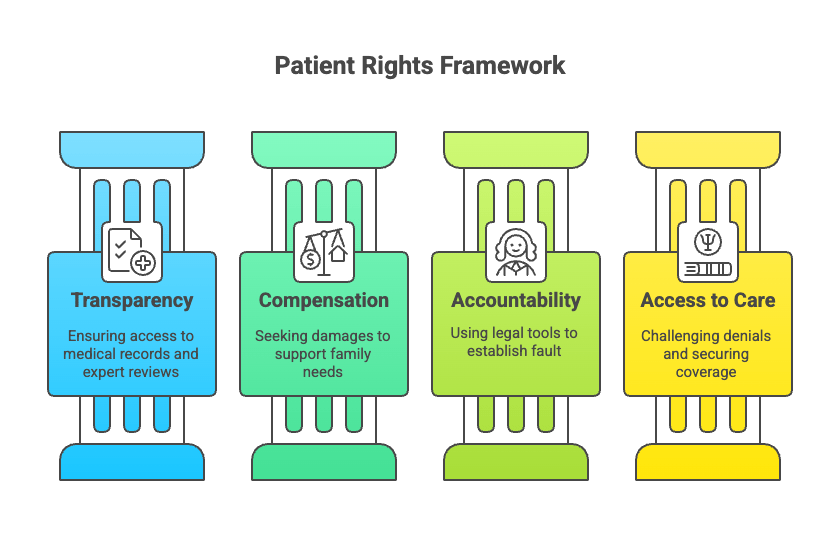
- Demand transparency: obtain records, audit prenatal labs, and secure expert reviews to confirm departures from standards of care.
- Assert compensation: pursue economic and non-economic damages that reflect present needs and long-term support for your child and family.
- Enforce accountability: use litigation tools, including subpoenas and depositions, to establish fault and deter repeat failures.
- Protect access to care: challenge insurer denials, negotiate policy benefits, and guarantee coverage for specialized treatments and developmental services.
Steps to Take After a Hemolytic Disease of the Newborn Injury
After a suspected hemolytic disease of the newborn injury, you should seek immediate neonatal care to stabilize your child and document clinical findings.
Next, preserve all medical records, lab results, discharge summaries, and communications, and keep a written timeline of events to maintain a clear evidentiary record.
Finally, consult an experienced attorney promptly to evaluate potential negligence, protect your rights, and initiate timely legal action if warranted.
Seek Immediate Neonatal Care
Though the diagnosis can feel overwhelming, you must secure immediate neonatal care to protect your child’s health and preserve vital evidence of harm.
Act quickly by bringing your newborn to a hospital with NICU capabilities, where neonatal stabilization protocols can be initiated without delay. Request rapid bilirubin testing, blood typing, and antibody screening, and ask the team to monitor oxygenation, hydration, and urine output closely.
Ensure that physicians discuss treatment options such as phototherapy, IVIG, or exchange transfusion when clinically indicated. Advocate for prompt lactation consultation and breastfeeding support to maintain nutrition while minimizing bilirubin risks, and confirm careful weight and feeding assessments.
Coordinate with the care team about follow-up evaluations, including hearing and neurodevelopmental screening. Your decisive actions help protect your child’s safety and future well-being.
Preserve Medical Documentation
Swift medical intervention sets the stage for your next responsibility: preserving every piece of documentation that reflects what happened and when.
Gather prenatal records, delivery notes, neonatal labs, bilirubin charts, transfusion details, and discharge summaries, then organize them by date.
Request certified copies of electronic records from every provider involved, and promptly back up digital files.
Keep medication lists, monitor logs, and communications, including emails and portal messages, as they capture timelines and clinical decisions.
Create a chronology that includes dates, symptoms, and interventions, using a simple spreadsheet or a notebook.
Conduct family interviews to document what relatives observed, heard, and did, noting times and personnel names.
Store original documents safely, and use labeled folders for duplicates.
Maintain a preservation log, recording every request made and every record received.
Consult an Experienced Attorney
Secure qualified legal counsel as soon as possible to protect your child’s rights and preserve your claims. An experienced birth injury attorney will evaluate medical records, timelines, and causation, then advise you on liability and the value of potential damages.
You’ll receive clear guidance on protecting parental rights, meeting deadlines, and coordinating care with legal strategy, all while minimizing disruption to your family.
Choose counsel with a track record in hemolytic disease cases, strong expert networks, and trial readiness. Your attorney will manage communications with insurers, preserve evidence, and prepare a thorough claim.
They’ll lead settlement negotiations with rigor, quantify future medical and support needs, and guard against low offers. If settlement fails, your lawyer will pursue litigation promptly, seeking accountability and secure compensation.
How a Hemolytic Disease of the Newborn Injury Lawyer Can Help You
When a preventable medical error leads to hemolytic disease of the newborn, a dedicated injury lawyer steps in to protect your rights and build a compelling claim. You merit focused advocacy that documents what happened, connects it to the standard of care, and pursues resources your family needs.
Your lawyer coordinates expert reviews, clarifies timelines, and evaluates damages, including costs for maternal counseling and neonatal follow-up that support sustained caregiving.
Focused advocacy after preventable newborn hemolysis: experts, timelines, and resources to protect your family.
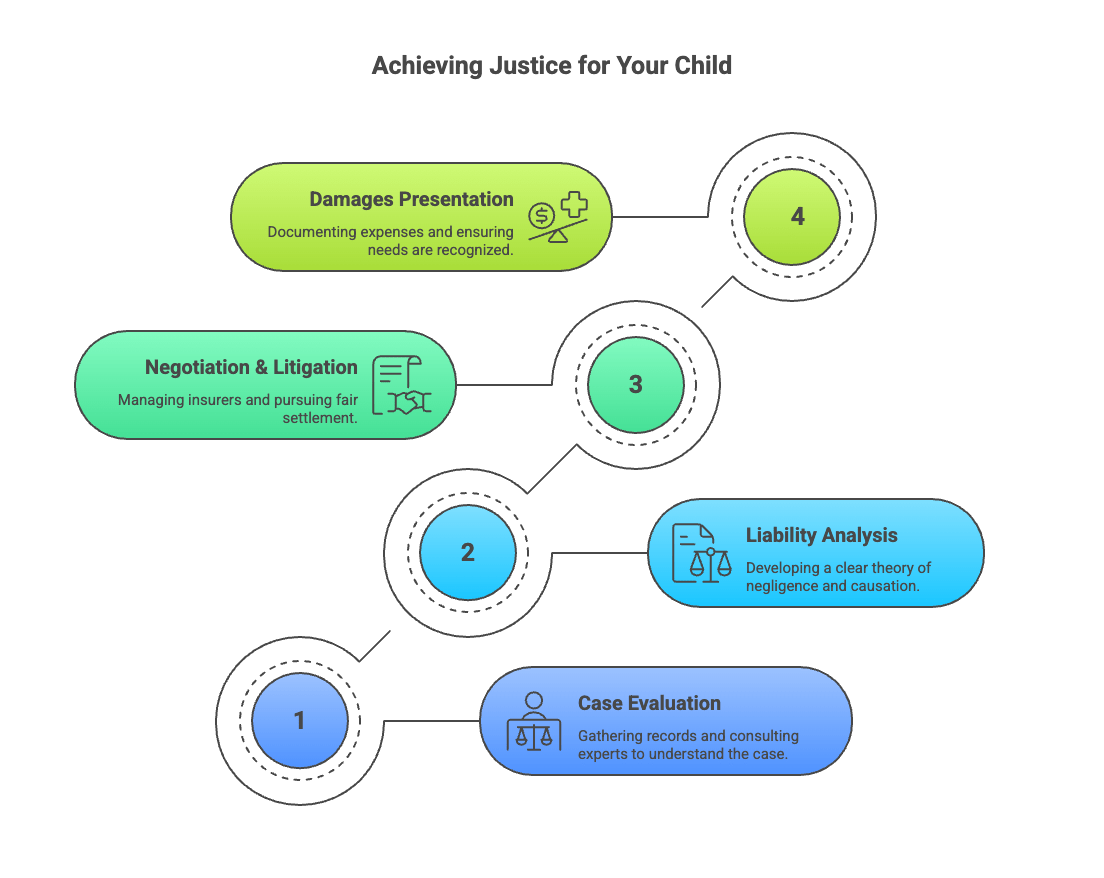
- Case evaluation and investigation: Your attorney gathers records, reviews protocols, interviews witnesses, and consults experts in obstetrics, pediatrics, and transfusion medicine.
- Liability analysis and strategy: You receive a clear theory of negligence, causation, and damages, supported by authoritative guidelines and precise evidence.
- Negotiation and litigation: Your lawyer manages insurers and defense counsel, pursues fair settlement, and, when necessary, litigates decisively.
- Comprehensive damages presentation: Counsel documents medical expenses, future care plans, adaptive services, and lost income, ensuring your child’s needs and your caregiving mission are fully recognized.
Long-term Effects of Hemolytic Disease of the Newborn Injuries
You need to understand how hemolytic disease of the newborn can lead to neurodevelopmental impairments, affecting cognition, motor skills, and learning over time.
Chronic anemia complications may persist, reducing energy, straining the heart, and requiring ongoing monitoring and treatment.
You should also watch for hearing and vision deficits, as early detection and intervention can markedly influence long-term outcomes.
Neurodevelopmental Impairments
Although many infants recover well after treatment for hemolytic disease of the newborn, some face lasting neurodevelopmental impairments tied to severe jaundice, bilirubin toxicity, hypoxia, or anemia in the perinatal period.
You may observe cognitive delay, motor dysfunction, and challenges with attention, memory, or language that emerge as developmental demands increase. Early symptoms can include poor tone, abnormal reflexes, or feeding issues, later evolving into learning differences or coordination problems.
You serve your child best by securing timely evaluations, individualized therapies, and consistent monitoring. Neuropsychological testing, physical and occupational therapy, and speech-language services can mitigate functional losses and support educational access.
Documenting clinical findings, treatment plans, and school impacts helps establish causation and damages. When medical negligence contributed, targeted legal action can fund lifelong care, therapies, and supportive technologies.
Chronic Anemia Complications
Persisting anemia after hemolytic disease of the newborn can drive a cascade of long-term complications that affect growth, development, and overall health. You may see persistent fatigue, poor exercise tolerance, and delayed weight gain, which can strain daily care and limit participation in enriching activities.
Recurrent pallor, tachycardia, and shortness of breath may prompt frequent evaluations, adding cost and stress for families who serve a child’s needs.
Management often involves chronic transfusion to stabilize hemoglobin, yet this approach carries risks. Iron overload can develop, injuring the liver, heart, and endocrine organs, and may require chelation therapy with careful monitoring.
Repeated transfusions also increase alloimmunization risk, complicating future blood matching. Proactive follow-up, coordinated experts, and meticulous recordkeeping help you anticipate issues and secure timely intervention.
Hearing and Vision Deficits
Beyond chronic anemia’s strain on a child’s stamina and growth, hemolytic disease of the newborn can also exact lasting damage on hearing and vision, particularly when severe jaundice leads to bilirubin-induced neurologic dysfunction.
You may first notice subtle signs, such as difficulty tracking faces or inconsistent responses to sound, that later reveal significant deficits. Auditory neuropathy can disrupt the transmission of sound from the inner ear to the brain, impairing speech understanding even when hearing tests seem normal.
Similarly, cortical visual impairment affects how the brain processes visual information, limiting functional sight despite healthy eyes. With timely evaluations, individualized therapies, and vigilant follow-up, you can support progress and protect developmental potential.
Documenting these impacts carefully also strengthens your advocacy and preserves vital resources.
Proving Liability in Hemolytic Disease of the Newborn Medical Malpractice Injury Cases
When building a case for liability in a hemolytic disease of the newborn (HDN) malpractice claim, you must link a provider’s deviation from accepted standards of obstetric or neonatal care to the infant’s injury.
Link deviations from obstetric or neonatal standards directly to the infant’s HDN-related injuries.
You establish breach by showing failures in screening, monitoring, and intervention. Prove that clinicians didn’t identify maternal-fetal incompatibility, misinterpreted antibody titers, or ignored signs of an escalating immune response. Demonstrate that they failed to assess for placental insufficiency, delayed Rho(D) prophylaxis, or omitted timely Doppler studies of the middle cerebral artery.
You then connect breach to harm with expert testimony. Correlate missed surveillance with worsening anemia, hyperbilirubinemia, or kernicterus risk. Document timelines, chart entries, lab results, and counseling gaps. Show that competent providers would’ve administered prophylaxis, planned early delivery, or initiated transfusion protocols.
Finally, establish causation and foreseeability, supported by authoritative guidelines, and quantify how each omission increased risk, ensuring liability rests on clear, evidence-based linkages.
Compensation for Hemolytic Disease of the Newborn Damages
Although every case turns on its facts, compensation in hemolytic disease of the newborn (HDN) claims aims to make your child and family whole by covering both present losses and future needs. You can seek economic damages for neonatal intensive care, phototherapy, exchange transfusions, medications, and follow-up with clinicians.
Future care, including developmental therapies, neurological evaluations, and assistive services, should be projected with expert input and life-care planning.
You may also recover for non-economic harm, including your child’s pain and suffering, loss of everyday life, and your family’s emotional recovery. When HDN leads to long-term impairments, claims for diminished earning capacity and educational supports become essential. Out-of-pocket costs, home modifications, and transportation needs are compensable.
Your lawyer will document damages through medical records, expert reports, and reliable cost data, while addressing insurance disputes and lien resolution to preserve your net recovery. Strategic settlement or trial preparation guarantees the compensation reflects both immediate impact and lifelong consequences.
The Statute of Limitations for Hemolytic Disease of the Newborn Injury Cases
Time can quietly run out on a valid claim, so understanding the statute of limitations in hemolytic disease of the newborn cases is crucial. You serve families best when you act promptly, document injuries, and preserve evidence. Each state sets its own filing deadline, which may differ for medical malpractice, wrongful death, and product-related claims.
Missing the deadline can bar recovery, regardless of the claim’s validity.
Most jurisdictions apply a discovery rule, which can extend the clock when injury or negligence wasn’t reasonably knowable at birth. Late discovery often arises when symptoms emerge months later, or when records reveal preventable errors long after discharge.
However, strict outer limits, known as statutes of repose, may still limit claims.
Evaluate potential statute exceptions, including tolling for minority, fraud, concealment, or incapacitation. Track notice requirements for claims against public hospitals, which may demand early administrative filings.
Start calculating deadlines immediately, align medical timelines with legal triggers, and create a precise chronology.
Why You Need an Experienced Hemolytic Disease of the Newborn Injury Lawyer
Because hemolytic disease of the newborn cases involve complex medicine and nuanced liability, you need a lawyer who understands both the clinical standards and the legal strategies that drive results.
Hemolytic newborn cases demand a lawyer fluent in clinical standards and results-driven legal strategy.
An experienced advocate evaluates prenatal testing, antibody titers, transfusions, and postnatal care with precision, then maps those facts to duty, breach, causation, and damages. That alignment is the backbone of an effective Legal strategy, ensuring no essential detail is missed.
You also need a disciplined investigation. A seasoned lawyer consults neonatology, obstetrics, and hematology experts, secures records promptly, and preserves evidence that proves preventability.
They quantify lifetime needs for therapy, monitoring, and accommodations, building a damages model that serves your child’s future.
Equally important is dependable Client communication. You merit clear timelines, prompt updates, and plain-language explanations of risk and options.
Effective counsel coordinates with your care team, manages insurers, and negotiates from a position of strength, while preparing for trial from day one to safeguard your rights.
How to Choose the Right Hemolytic Disease of the Newborn Injury Lawyer for Your Case
When selecting a lawyer for a case involving hemolytic disease of the newborn, focus on verifiable experience, rather than general medical malpractice credentials. Ask for case histories involving Rh incompatibility, delayed RhIG administration, and mismanaged neonatal jaundice, and request outcome data.
Confirm they consult with neonatologists, hematologists, and birth counselors, ensuring a thorough view of causation and damages.
Evaluate their investigative process. A capable attorney secures records swiftly, preserves testing data, and retains independent experts early. Assess courtroom readiness by reviewing trial results, not just settlements, and confirm familiarity with statutes of limitations and tolling for minors.
Prioritize communication and parental support. You need clear explanations of strategy, realistic timelines, and regular updates. Verify fee transparency, including expert costs, and require written engagement terms. Check professional discipline records and peer-reviewed publications.
Finally, speak with former clients to gauge responsiveness, empathy, and diligence, ensuring the lawyer can advocate effectively while respecting your family’s needs.
About the Law Offices of Anidjar and Levine
With a statewide footprint and a trial-tested approach, the Law Offices of Anidjar and Levine offers disciplined, client-focused representation in elaborate birth injury litigation, including hemolytic disease of the newborn cases.
You will receive direct attorney access, meticulous case preparation, and strategic litigation built on evidence, medical insight, and clear communication.
The firm’s culture emphasizes patient advocacy, ensuring your child’s needs guide every decision, from early investigation through resolution.
You benefit from a team that invests in ongoing staff training, equipping attorneys and paralegals to effectively manage medical records, expert testimony, and complex causation issues.
The firm coordinates with recognized medical experts, builds timelines that withstand scrutiny, and pursues accountable parties with precision.
You’re kept informed at each stage, and every action aligns with your family’s long-term welfare.
When you partner with this firm, you gain seasoned trial lawyers who negotiate from strength, prepare for court, and pursue results that fund treatment, secure stability, and honor your child’s future.
Frequently Asked Questions
Can We Pursue Claims if the Baby Received Intrauterine Transfusions?
Yes, you can pursue claims when a baby received intrauterine transfusions, provided evidence shows negligent care. You’d assess maternal negligence, transfusion timing, fetal monitoring, and adherence to RH disease protocols.
You should gather prenatal records, ultrasound findings, antibody titers, and transfusion documentation. Expert review can link deviations to injury.
Act promptly to preserve evidence, meet deadlines, and protect the child’s future needs through compensation for medical care, developmental support, and long‑term planning.
How Do We Handle Cases Involving Surrogacy or Donor-Conceived Pregnancies?
You handle these cases by verifying surrogacy protocols, confirming informed consent, and mapping each party’s duties under the contracts and state law.
You evaluate donor screening, genetic compatibility, and serologic testing, then trace decision-making and documentation across clinics, agencies, and physicians.
You secure records early, preserve confidentiality, and coordinate expert review on immunohematology and obstetrics.
You assess causation and damages methodically, while protecting the surrogate’s and intended parents’ interests through precise, ethical advocacy.
Are Bilingual Legal and Medical Experts Available for Non-English-Speaking Families?
Yes. You can access bilingual legal and medical experts, ensuring clear communication at every stage.
We coordinate bilingual advocates to guide you through legal processes, explain options, and prepare documents accurately.
We also arrange certified medical interpreters for consultations, records review, and expert testimony, safeguarding precision in clinical details.
You’ll receive translated materials, culturally sensitive support, and consistent updates, so informed decisions are possible without language barriers, protecting your rights and your family’s interests.
What Happens if Multiple Hospitals or Labs Share Responsibility?
Multiple facilities can share responsibility through shared liability, meaning each entity may be held accountable for its portion of harm.
You’d pursue claims against all involved, and the court or insurers allocate damages under comparative fault, assigning percentages based on each party’s failures.
You gather records, timelines, and expert opinions to map errors across providers, then coordinate claims to secure full compensation, while safeguarding patient interests and promoting accountability across the system.
Can We Coordinate Parallel Claims With Military or VA Healthcare Systems?
Yes, you can coordinate parallel claims with military or VA healthcare systems. You’ll need disciplined military coordination, aligned with VA procedures and the Federal Tort Claims Act timelines.
Identify each forum’s jurisdiction, preserve evidence, and file administrative claims promptly while avoiding double recovery. Engage liaisons at TRICARE, base legal, and VA Regional Offices, then harmonize medical records, damages, and causation experts.
Maintain a unified chronology and track tolling, offsets, and settlement approvals meticulously.
———————–
You and your child deserve answers, accountability, and the resources you need. Our team will investigate the care you received, consult leading medical experts, and build a precise damage picture to support your recovery.
Don’t wait to protect your rights and preserve essential evidence. If negligence caused or worsened hemolytic disease of the newborn, we’ll pursue full compensation and guide you at every step.
Contact the Birth Injury Lawyer team at the Law Offices of Anidjar and Levine for a free, confidential evaluation and decisive, experienced advocacy.