




If a blood disorder stems from exposure, medical error, or a defective product, you need counsel that understands hematology and liability proof.
Law Offices of Anidjar and Levine secures experts, preserves evidence, values future care and lost income, and pressures insurers with documented damages.
You’ll get clear guidance on timelines, causation, and recovery options, while your case is prepared for trial from day one.
For related matters, see our Birth Injury Lawyer resource. Here’s how your claim gains strength step by step.
Key Takeaways
- Experienced lawyers build claims with hematology experts, medical records, timelines, and exposure evidence to prove causation and fault.
- They manage your case end-to-end: evidence preservation, insurer communications, negotiations, and trial preparation from day one.
- Claims seek compensation for medical costs, lost income, future care, and pain and suffering, with documented economic and non-economic damages.
- Attorneys assess liability for malpractice, toxic exposures, defective drugs/devices, and workplace safety failures, including potential punitive damages.
- Expect transparent communication, clear milestones, funding for experts, and disciplined case management so you can focus on recovery.

How We Can Help With Your Blood Disorders Injury Claim
Whether your diagnosis involves anemia, leukemia, clotting disorders, or treatment-related complications, we move quickly to protect your rights and build a strong claim. We coordinate your medical records, consult qualified hematology experts, and document the full scope of harm, including lost income and future care.
You receive clear guidance at every step, allowing you to focus on recovery while we handle evidence, deadlines, and negotiations.
We prioritize patient advocacy by elevating your voice in every forum, from insurer talks to court proceedings. Our team challenges unfair denials, scrutinizes safety protocols, and demands accountability from negligent parties. We also track policy reform developments that may affect available benefits, claim procedures, or compensation limits, then adjust strategy to secure every advantage.
We prepare for trial from day one, which strengthens your position at the settlement table.
You receive disciplined case management, timely communication, and a relentless pursuit of results that align with your values.
Understanding Blood Disorders Injury Case
Although every diagnosis is unique, a blood disorders injury case typically turns on three elements: the source of harm, the causal link to your condition, and the measurable losses you’ve sustained. You begin by gathering medical evidence that precisely defines your diagnosis, treatment course, and prognosis.
Records from hematology consults, lab panels, and imaging form the backbone, while notes documenting symptoms and functional limits corroborate your account.
Next, you establish causation with objective proof. Expert opinions interpret findings, such as platelet counts in immune thrombocytopenia, or confirmatory results following sickle cell screening, aligning timelines, exposures, and clinical changes. Consistency between medical data and your narrative strengthens credibility.
Finally, you quantify damages. You document medical expenses, lost income, diminished earning capacity, and the cost of ongoing care. You also capture non-economic harms through detailed statements and third‑party observations. Throughout, you maintain meticulous records, respect legal deadlines, and preserve evidence, ensuring your case reflects the full scope of your injuries.
Common Causes of Blood Disorders Injuries
You may face blood disorders after occupational chemical exposure, where solvents, metals, or industrial toxins damage bone marrow or disrupt blood cell production.
Pharmaceutical drug reactions can trigger hemolysis, aplastic anemia, or clotting abnormalities, while radiation and toxic spills pose acute and chronic hematologic risks.
You should also consider contaminated medical devices, which can introduce pathogens or leach harmful substances that compromise blood quality and safety.
Occupational Chemical Exposure
Amid busy work sites and production lines, occupational chemical exposure stands out as a leading cause of blood disorders, often developing silently over months or years. You may encounter benzene, solvents, heavy metals, and pesticides that impair bone marrow, disrupt red and white cell production, and elevate cancer risks.
When you serve others in these environments, you merit rigorous workplace monitoring, transparent hazard communication, and promptly supplied protective equipment.
You can advance exposure prevention by insisting on air sampling, proper ventilation, safe storage, and spill response protocols. Report symptoms early, such as fatigue, easy bruising, frequent infections, or unexplained dizziness, and seek medical evaluation and documentation. If employers ignore standards or training, preserve evidence, record incidents, and consult counsel to assess liability, secure benefits, and protect your health.
Pharmaceutical Drug Reactions
Despite their therapeutic intent, many prescription and over-the-counter drugs can trigger serious hematologic reactions that injure the blood and bone marrow. You may see anemia, thrombocytopenia, or agranulocytosis after exposure to antibiotics, anticonvulsants, anti-inflammatories, or chemotherapy.
Some injuries arise from direct toxicity, while others result from immune mechanisms that destroy blood cells or suppress marrow production. Timely recognition matters, so document symptoms such as fatigue, infections, easy bruising, or unusual bleeding, and seek immediate medical evaluation.
As your advocate, we assess medication histories, lab trends, and causation timelines, coordinating with hematology experts to confirm links between the drug and injury. We also prioritize patient education, ensuring you understand warning signs, safer alternatives, and reporting pathways. When negligence exists, I pursue compensation for treatment, lost income, and supportive care.
Radiation and Toxic Spills
From industrial sites to medical settings, radiation exposure and toxic spills can inflict profound damage on the blood and bone marrow, often with delayed and underestimated consequences.
You may see anemia, leukopenia, or platelet loss emerge weeks after an incident, complicating diagnosis and care.
When you serve others, you prioritize prevention through rigorous radiation monitoring, documented dose tracking, and swift spill containment protocols.
Yet organizations sometimes neglect training, protective equipment, or timely evacuation, allowing hazardous doses or chemical absorption to occur.
If you or those in your care were exposed, act promptly.
Seek medical evaluation, preserve incident records, and report conditions to regulators.
We investigate source logs, dosimetry data, maintenance histories, and policy compliance, building a clear causal link.
You’re entitled to accountability, medical support, and long-term monitoring.
Contaminated Medical Devices
Radiation mishaps aren’t the only hidden pathways to marrow injury; contaminated medical devices can introduce blood-borne pathogens, endotoxins, or toxic residues directly into the bloodstream, triggering anemia, hemolysis, leukopenia, or thrombocytopenia.
You may encounter risks from surgical implants, infusion pumps, catheters, or dialysis equipment when manufacturing defects, flawed sterilization, or breached sterile packaging occur.
Even minute biofilm contamination can provoke immune dysregulation and red cell destruction, while leaching metals or plasticizers can suppress marrow function.
When you serve patients, you expect vigilant quality control and transparent recall practices. Document every exposure, preserve devices and packaging, and seek diagnostic testing for hemolysis, marrow suppression, and infection markers.
We investigate supply chain records, maintenance logs, and sterility reports, and then pursue accountability, medical monitoring, and compensation for complications related to blood disorders.
Legal Rights of Blood Disorders Injury Victims
Although every case turns on its facts, blood disorder injury victims generally have clear legal rights to seek compensation when negligence, defective products, toxic exposures, or unsafe workplaces cause or worsen their condition. You’re entitled to pursue legal remedies for medical expenses, lost income, rehabilitative care, and pain and suffering.
Strong patient advocacy strengthens your position, ensuring your voice is heard and your needs are prioritized throughout the process.
Your rights typically include claims based on negligence, product liability, and violations of employer safety regulations. Courts recognize the profound impact blood disorders have on daily life, so they allow damages for both economic and non-economic harms.
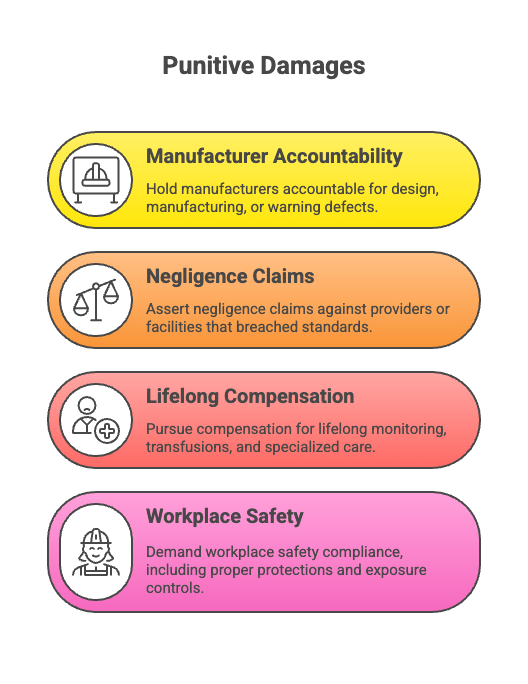
You can also seek punitive damages when misconduct is egregious:
- Hold manufacturers accountable for design, manufacturing, or warning defects.
- Assert negligence claims against providers or facilities that breached standards.
- Pursue compensation for lifelong monitoring, transfusions, and specialized care.
- Demand workplace safety compliance, including proper protections and exposure controls.
These rights safeguard your health, dignity, and future stability.
Steps to Take After a Blood Disorder Injury
After a blood disorder injury, you should seek immediate medical care to stabilize your condition and create a clear record of diagnosis and treatment.
You must document your symptoms, missed work, and all related costs, preserving medical reports, receipts, and communications as crucial evidence.
Then consult an experienced attorney promptly, so you can evaluate liability, protect your rights, and position your claim for maximum recovery.
Seek Immediate Medical Care
Even if your symptoms seem mild, seek immediate medical care to protect your health and create a clear record of what happened. Blood disorders can deteriorate quickly, and prompt evaluation supports both your recovery and any future advocacy. Go to an emergency department or urgent clinic where emergency stabilization is available, especially if you’re experiencing unusual bleeding, severe fatigue, chest pain, shortness of breath, or sudden bruising.
Tell clinicians exactly when symptoms began, any recent exposures, and all medications or supplements. Request an immediate diagnosis pathway, including appropriate laboratory tests and imaging, to prevent treatable complications from being missed. Follow discharge instructions precisely, and schedule recommended follow-ups without delay. By acting swiftly, you safeguard your well-being, reduce preventable harm, and demonstrate diligence that aligns with your commitment to serving others.
Document Symptoms and Costs
Swift medical care sets the foundation; now you need a precise record of what you experience and what it costs you.
Begin daily symptom tracking, noting pain levels, fatigue, bruising, bleeding episodes, medications, and side effects: capture dates, duration, and impacts on work, caregiving, or community service. Photograph visible symptoms and maintain copies of lab results to corroborate your notes.
Build thorough cost documentation. Save invoices, receipts, and statements for hospital care, consultant visits, prescriptions, transportation, parking, and adaptive supplies. Track lost income and missed volunteer commitments, recording dates and hours.
Include childcare, home assistance, and nutrition costs tied to your condition. Use a centralized folder and a spreadsheet, updating it promptly. Consistent, organized records protect credibility, demonstrate burden, and support fair resolution.
Consult an Experienced Attorney
Why consult an attorney early when a blood disorder complicates your injury claim? You face unique medical and legal hurdles, and timing shapes the strength of your case. An experienced lawyer coordinates with hematology experts, secures precise records, and links exacerbations to the incident, safeguarding causation.
Early counsel also preserves evidence, manages insurer contacts, and prevents statements that minimize intricate symptoms.
Choose counsel with proven patient advocacy and a track record in blood disorder claims. They’ll craft a strategy that reflects clotting risks, medication interactions, and long-term monitoring. Your attorney leads settlement negotiations with data-driven damages, including future care and lost capacity. If insurers resist, they prepare litigation efficiently, preserving momentum.
Prompt representation protects your health, finances, and legal position.
How a Blood Disorders Injury Lawyer Can Help You
Although every case is unique, a blood disorders injury lawyer can quickly assess your situation, identify liable parties, and chart a strategy to secure compensation for your medical and financial losses. You’ll receive rigorous case evaluation, precise damage calculations, and advocacy that protects your rights while honoring your commitment to serve others.
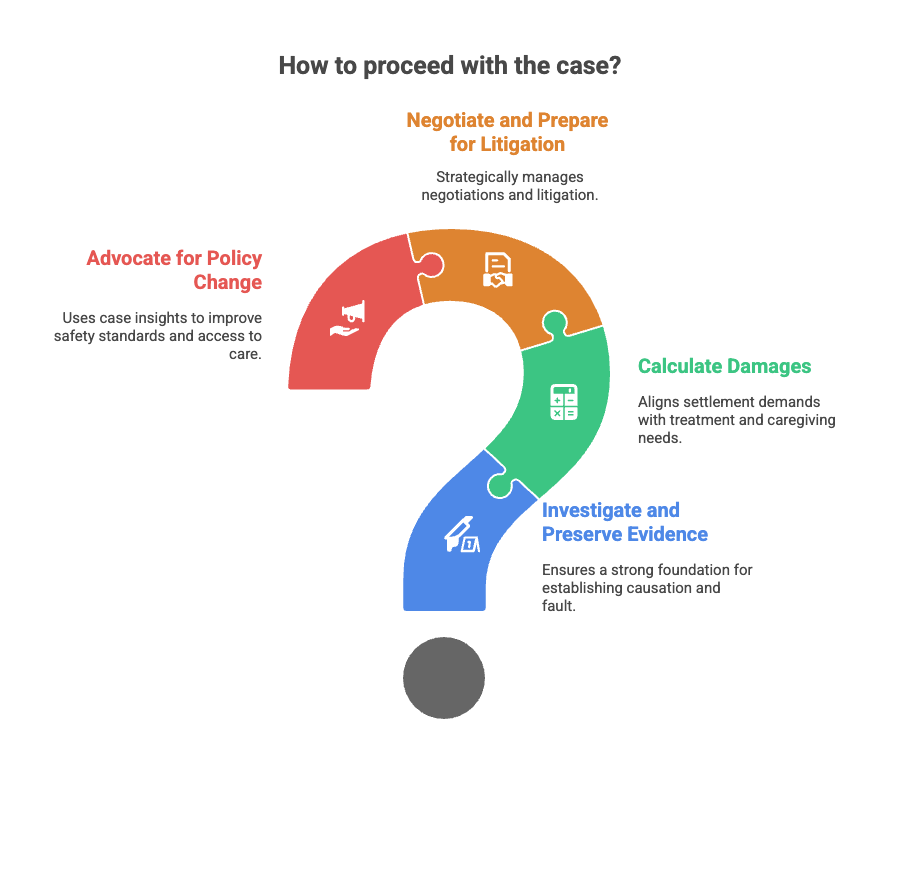
Counsel coordinates medical records, expert opinions, and insurer communications, so you can focus on recovery and community outreach that strengthens those around you:
- Investigate and preserve evidence, interview witnesses, and secure expert hematology testimony to establish causation and fault.
- Calculate economic and non-economic damages with documentation, aligning settlement demands with your treatment plan and caregiving responsibilities.
- Negotiate firmly with insurers and defendants, prepare litigation strategically, and keep you informed with clear milestones and options.
- Advance broader change through policy advocacy, using your case insights to improve safety standards, reporting practices, and access to care.
With disciplined representation, you’ll steer claims efficiently, meet deadlines, and position your case for a favorable resolution.
Long-Term Effects of Blood Disorders Injuries
You may face chronic health complications that affect mobility, immunity, and organ function, requiring vigilant monitoring and periodic interventions.
These conditions often demand lifelong treatment needs, including medications, transfusions, specialist appointments, and adaptive care plans that strain time and resources.
You’ll also encounter psychological and social impact, as persistent symptoms, financial pressures, and activity limits challenge your mental health and relationships.
Chronic Health Complications
Often overlooked in the aftermath of an acute injury, blood disorders can trigger chronic health complications that persist for years and reshape daily life. You may face relentless fatigue, recurrent pain, and heightened infection risks that disrupt work, caregiving, and community service.
Organ strain, including involvement of the liver or spleen, can develop over time, necessitating vigilant monitoring and timely intervention. Cognitive fog and mood disturbances may impair decision-making, while clotting or bleeding tendencies complicate routine activities.
You can mitigate risks through genetic counseling, which clarifies inheritance patterns and informs family planning, screening, and advocacy. Guided exercise adaptation supports circulation, reduces deconditioning, and respects safety limits.
Coordinated care planning, clear documentation, and incident tracking strengthen your position, preserve function, and protect those who depend on your steady leadership.
Lifelong Treatment Needs
Planning for lifelong treatment anchors your path forward when a blood disorder stems from injury or medical negligence. You’ll need a coordinated plan that covers medication management, infusion schedules, and routine monitoring to prevent complications.
Your clinicians should define targets for blood counts, organ protection, and clotting control, and they should update protocols as your condition evolves.
If a child is affected, pediatric management requires growth-appropriate dosing, vaccination planning, and continuity of care strategies as adolescence approaches. For adults, durable care plans address comorbidities, fertility counseling, and preventive screenings.
You’ll also need caregiver support to ensure adherence, transportation to appointments, and safe home practices, including infection control. A lawyer can secure funding for therapies, devices, and home modifications, and enforce accountability for ongoing medical oversight.
Psychological and Social Impact
Although blood disorders primarily disrupt the body, their psychological and social consequences can be equally enduring and costly. You may confront anxiety, depression, and fatigue that limit work, caregiving, and community service, while unpredictable flares erode confidence and routine.
Medical appointments, financial strain, and stigma can compound distress, leading to Social isolation that undermines resilience and purpose.
You can protect your well-being with deliberate coping strategies, including structured counseling, peer support groups, and family education. Coordinated care that integrates mental health, pain management, and vocational planning helps stabilize daily life and preserve relationships.
Document symptoms, missed opportunities, and out-of-pocket costs to capture the full impact. If another’s negligence caused your condition to worsen, legal advocacy can secure resources for therapy, accommodations, and long-term support.
Proving Liability in Blood Disorders Medical Malpractice Injury Cases
Establish liability by showing that a healthcare provider owed you a duty of care, breached that duty through a deviation from accepted medical standards, and caused identifiable harm linked to that breach.
You begin by defining the standard of care for the specific blood disorder, such as appropriate diagnostics, timely referrals, and evidence-based treatments. You then document how the provider’s acts or omissions fell below that measure.
Next, develop causation with medical records, timelines, and differential diagnosis analysis. Expert testimony is crucial; qualified hematology and internal medicine experts can explain what should have been done, why the deviation occurred, and how it led to your injury. Preserve all communications, medication logs, and lab results to corroborate the sequence of events.
You should also assess institutional liability, examining supervision, staffing levels, and protocol compliance.
Finally, comply with pre-suit requirements, notice rules, and statutes of limitations, ensuring your proof aligns with jurisdictional standards for medical negligence.
Compensation for Blood Disorders Damages
When a blood disorder injury stems from medical negligence, you can pursue compensation that reflects the full scope of your losses, both economic and non-economic.
You may claim medical expenses for diagnostics, transfusions, medications, and specialist care. You can also seek recovery for future treatment, home health support, adaptive devices, and transportation to appointments.
Lost wages, diminished earning capacity, and benefits disruption are calculable components that capture the economic impact of prolonged illness.
Non-economic damages address pain, emotional distress, loss of enjoyment of life, and the strain on family relationships. If egregious conduct is proven, punitive damages may be available to deter future misconduct. Expert analysis can link the negligent act to specific complications, quantify future costs, and present your needs clearly.
Your claim can also highlight systemic failures, informing policy reform that improves patient safety. By documenting every consequence with precision, you build a compelling demand that honors your needs and protects others.
The Statute of Limitations for Blood Disorders Injury Cases
Securing compensation depends not only on proving negligence, but also on acting before the statute of limitations expires. You must identify the correct deadline early, because blood disorder cases often involve delayed diagnosis and intricate exposure histories. Most states use a discovery rule, starting the clock when you knew or should’ve known your injury and its cause. However, statute nuances vary, and misreading them risks forfeiting claims.
You should evaluate potential filing exceptions, such as periods for minors, incapacitated adults, or fraudulent concealment. In narrow circumstances, equitable tolling may pause the clock when diligent efforts couldn’t uncover the injury’s cause.
Please be aware of contract limitations in insurance policies or employment agreements, which sometimes shorten statutory periods and can be enforceable.
Track every relevant date: first symptoms, diagnosis, causal confirmation, and notice to potential defendants. Document communications to preserve rights, and avoid delay. Prompt, disciplined action protects your claim and the people who rely on you.
Why You Need an Experienced Blood Disorders Injury Lawyer
Though every injury claim benefits from capable counsel, blood disorder cases demand a lawyer with specific experience in elaborate medical and exposure evidence. You face unique hurdles: complicated diagnostics, long latency periods, and overlapping workplace, environmental, or pharmaceutical causes.
An experienced attorney reads hematology records with precision, consults qualified experts, and links scientific proof to legal standards. This skill protects your claim from doubt, delay, and dismissal.
You also need counsel grounded in medical ethics and patient advocacy. A seasoned lawyer coordinates with your care team, safeguards your privacy, and pursues damages that reflect lifelong monitoring, transfusions, medications, and lost earning capacity.
They track regulatory findings, prior verdicts, and epidemiological data, converting them into admissible, persuasive evidence. They anticipate defense tactics, from causation challenges to statute-based defenses, and respond with authoritative analysis.
With informed strategy and disciplined case management, you secure leverage in negotiations and credibility in court, advancing both justice and community well-being.
How to Choose the Right Blood Disorders Injury Lawyer for Your Case
Start by narrowing the field to attorneys who focus on blood disorder litigation and can document results in cases like yours.
- Verify their trial experience, expert networks, and familiarity with hematology, toxic exposure, and insurance disputes.
- Request case studies and references that reflect matters similar to your diagnosis and losses.
- Conduct structured consultations.
- Ask how they set client expectations, manage communication, and define case timelines, including investigation, negotiations, and potential trial.
- Require a clear strategy, projected milestones, and decision points.
- Confirm who’ll handle your file daily, not just intake.
- Evaluate resources.
- A capable firm should fund medical experts, economists, and life‑care planners, and maintain a strong discovery capacity.
- Review fee structures, costs, and reporting practices in writing.
- Assess professionalism: responsiveness, precision, and respect for your caregiving responsibilities and community role.
- Choose counsel who aligns with your values, provides candid risk assessments, and shows discipline in preparation.
- Prioritize transparency, capacity, and proven outcomes.
About the Law Offices of Anidjar and Levine
After you’ve identified the qualities that matter in a blood disorders attorney, you’ll want to know how the Law Offices of Anidjar and Levine meets those standards. You expect disciplined advocacy, clear communication, and a service-first mindset. This firm delivers that alignment through meticulous case preparation, attentive counsel, and responsive guidance from intake to resolution.
You’ll see their commitment reflected in their firm history, which shows steady growth, multifaceted litigation experience, and a focus on injury victims with serious medical needs. Their attorneys coordinate with physicians and experts, translate medical records into persuasive evidence, and pursue full compensation with rigor.
Client testimonials consistently highlight accessibility, thorough explanations, and dependable follow-through, reinforcing a culture centered on your needs.
When you choose representation, you want a team that treats your case as a mission. Anidjar and Levine prioritize strategy, transparency, and results, so you can focus on care while they protect your rights and advance your claim.

Frequently Asked Questions
Can I Pursue Claims if a Genetic Disorder Was Worsened by Negligence?
Yes, you can pursue claims if negligence exacerbated a genetic disorder. You must prove medical negligence, establish genetic causation, and show measurable aggravation with expert testimony and records.
Document symptom progression, treatment changes, and economic losses, while preserving timelines and communications. Seek consultants who can distinguish natural disease progression from negligent impact.
Are Class Actions Possible for Contaminated Blood Product Injuries?
Yes, class actions are possible, but most contaminated blood product cases proceed as mass torts due to individualized injuries and damages. You can join coordinated litigation that shares evidence while preserving your specific claim.
Courts assess corporate liability by examining safety protocols, warnings, and causation. You should document medical harm, product lot numbers, and timelines, then consult counsel to evaluate venue, consolidation options, and settlement structures that balance collective leverage with personal recovery.
How Do Workers’ Compensation Claims Intersect With Blood Disorder Cases?
They intersect when your blood disorder stems from workplace exposure, making workers’ compensation the primary remedy for medical costs and wage loss.
You’ll document causation, file promptly, and pursue covered treatment, including medical surveillance for latent or progressive conditions.
You can still seek third‑party claims if a non‑employer caused the harm.
You must follow employer reporting rules, cooperate with evaluations, and preserve records linking duties, exposures, and diagnoses to guarantee a defensible, timely claim.
Can I Sue a Blood Bank for Screening or Labeling Failures?
Yes, you can sue a blood bank for screening or labeling failures under medical malpractice or product liability theories.
You’ll need to prove a breached standard of care, causation, and damages, or show a defective product or inadequate warnings.
Act quickly, preserve medical records, and document injuries.
Consult counsel to evaluate statutory protections for blood banks, applicable deadlines, and expert testimony needs.
Your diligence protects future patients and strengthens your claim.
Will Litigation Affect My Eligibility for Disability or Medicaid Benefits?
Yes, pursuing litigation generally won’t disqualify you from disability or Medicaid, but settlements or awards can affect income and asset limits, creating a benefits impact.
You should structure proceeds carefully, possibly using a special needs trust, to preserve eligibility.
Report any recovery promptly, keep documentation, and plan before settlement.
If benefits are reduced or terminated, use appeal options and request reconsideration.
Coordinate with benefits counsel to align your case strategy with program rules.
———————
You deserve clear answers, decisive action, and an attorney who understands complex blood disorder cases. With seasoned counsel, you can protect crucial evidence, meet deadlines, and pursue full compensation for medical care, lost income, and long-term needs.
Don’t wait to safeguard your rights and build a strong claim.
Contact Anidjar & Levine today for a free consultation, and let us coordinate experts, manage insurers, and advocate for you from investigation through resolution.
For related support, see our Birth Injury Lawyer services.